Sweet Natured Small Pets Families
When families look for a companion that brings joy without the demands of a large animal, Sweet Natured Small Pets become an attractive option. These gentle creatures—ranging from guinea pigs and rabbits to hamsters and birds—offer affection, playfulness, and a manageable care routine that fits well into a busy household. By understanding their needs, families can create a nurturing environment that benefits both the pets and the people who love them.
Choosing the Right Small Pet
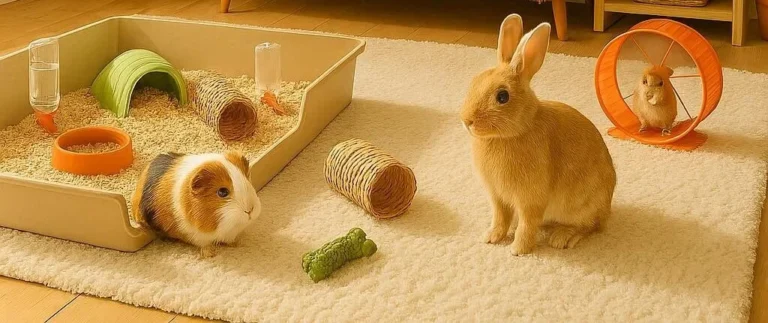
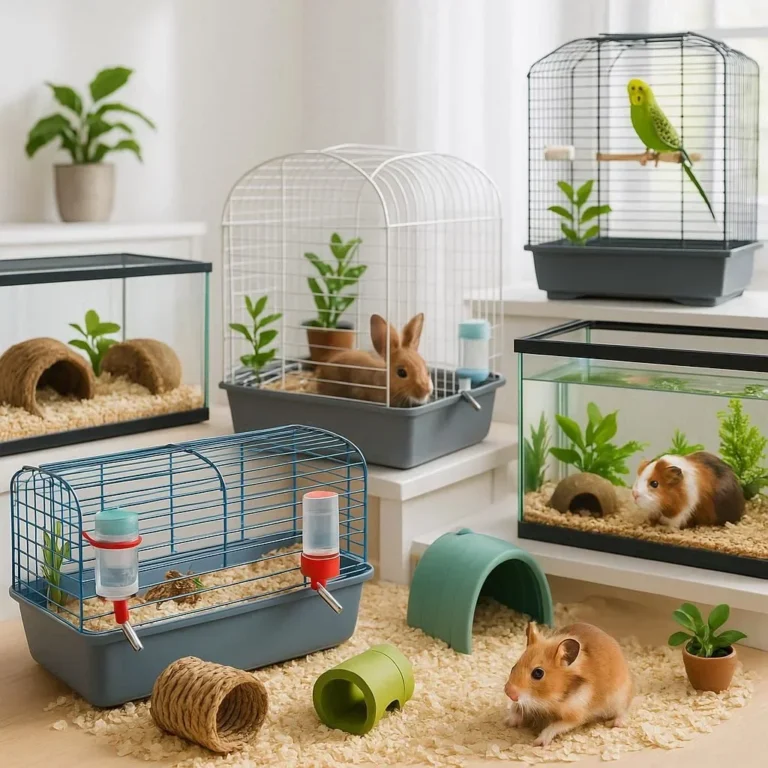
Before adopting, families should evaluate lifestyle, space, and time commitments. Guinea pigs thrive in social groups and enjoy a calm environment, making them ideal for households with children who can handle gentle handling. Guinea pig owners often find their soft vocalizations and affectionate nature a soothing presence. Rabbits require more exercise and a larger enclosure; they are excellent for families that can dedicate a few hours daily to playtime and exercise. Rabbit care includes a diet rich in hay and fresh vegetables, and they benefit from regular grooming to prevent matting.
For families seeking a low-maintenance option, hamsters are a popular choice. They are solitary, nocturnal, and require minimal space. Hamster owners appreciate their independent nature and the ease of setting up a secure cage. However, families with young children should supervise interactions, as hamsters can be startled by sudden movements.
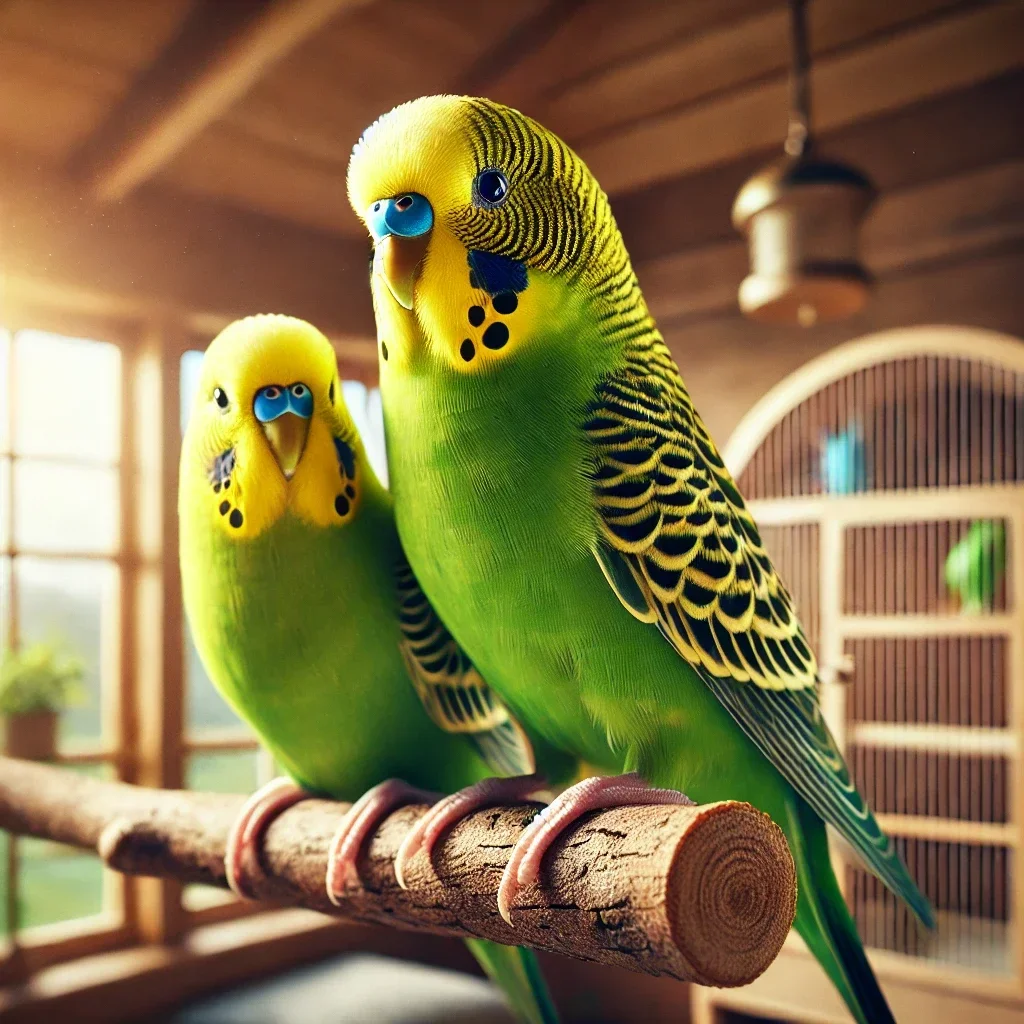
Birds such as budgies or cockatiels offer vocal companionship and can be trained to perform simple tricks. They require a spacious cage, mental stimulation, and regular social interaction. Families should research species-specific needs to ensure a healthy, happy bird.
Daily Care and Feeding
Providing a balanced diet is crucial for the longevity and health of small pets. A typical feeding routine includes a mix of fresh hay, high-quality pellets, and a variety of vegetables. For guinea pigs, fresh greens like romaine lettuce and carrots should be offered daily, while rabbits benefit from a constant supply of hay and a limited amount of leafy greens. Hamsters enjoy a diet of seeds, grains, and occasional fruit, but should be given fresh water at all times.
Cleaning the enclosure is another essential task. Families should schedule a weekly cleaning routine to remove waste, replace bedding, and sanitize the cage or habitat. This practice helps prevent odor buildup and reduces the risk of infections.
Below is a quick checklist of daily care items:
- Fresh water and clean bowl
- Balanced diet appropriate for species
- Regular cage or habitat cleaning
- Daily interaction and gentle handling
- Observation for signs of illness or stress
Training and Socialization
Small pets can learn simple commands and tricks, which not only enrich their lives but also strengthen the bond with family members. Training should be patient, positive, and consistent. For example, guinea pigs can be taught to come when called by using a favorite treat as a reward. Rabbits can learn to hop onto a hand or a small platform with gentle encouragement.
Socialization is especially important for species that thrive on interaction. Guinea pigs and rabbits benefit from daily handling sessions that help them become comfortable with human touch. Hamsters, being solitary, should be handled gently and infrequently to avoid stress. Birds, on the other hand, often enjoy daily interaction and can be taught to step onto a hand or perform simple tricks.
Families should also expose their pets to a variety of safe stimuli—different sounds, textures, and environments—to promote adaptability and reduce anxiety. This can include gentle exposure to household noises, varied cage decorations, and supervised playtime outside the enclosure.
Health and Safety Tips
Regular veterinary check-ups are essential for early detection of health issues. The American Veterinary Medical Association recommends annual exams for small pets, especially for species prone to dental or respiratory problems. AVMA provides resources on preventive care and common ailments.
Safety at home involves securing potential hazards. Small pets should be kept away from toxic plants, electrical cords, and small objects that could be ingested. Families should also ensure that windows and balconies are secure to prevent accidental falls.
Vaccinations and parasite prevention vary by species. For instance, rabbits require a series of vaccinations against common diseases such as myxomatosis and rabbit hemorrhagic disease. Guinea pigs benefit from regular dental checks, as overgrown incisors can lead to feeding difficulties.
In addition to medical care, families should monitor behavioral changes. Sudden lethargy, loss of appetite, or changes in litter box habits can signal underlying health concerns. Prompt veterinary attention can prevent complications and ensure a long, healthy life for the pet.
Conclusion: A Sweet Companion for Every Family
Sweet Natured Small Pets offer families a blend of affection, playfulness, and manageable care. By selecting the right species, providing balanced nutrition, engaging in gentle training, and prioritizing health and safety, families can enjoy a rewarding relationship with their small companions. Whether you choose a guinea pig, rabbit, hamster, or bird, these gentle creatures bring warmth and joy to any household.
Ready to welcome a sweet, low-maintenance companion into your family? Explore reputable shelters, research species-specific needs, and take the first step toward a lifelong friendship today!
Frequently Asked Questions
Q1. What makes small pets a good choice for families?
Small pets offer companionship without the space and time demands of larger animals. They are generally easier to house, feed, and groom, making them ideal for busy households. Their playful nature also provides children with interactive learning opportunities about responsibility and empathy.
Q2. How often should I clean a hamster’s cage?
Hamster cages should be cleaned at least once a week. Remove waste, replace bedding, and wipe down surfaces to prevent odors and bacterial growth. A weekly routine keeps the environment healthy and reduces stress for the hamster.
Q3. Can rabbits live indoors with a family that has kids?
Yes, rabbits can thrive indoors if given a spacious enclosure and daily exercise time. Families should provide a safe, child-friendly area where the rabbit can hop and explore. Regular handling helps rabbits become comfortable around kids.
Q4. What diet is best for guinea pigs?
Guinea pigs need a diet high in fiber, primarily from fresh hay, supplemented with high-quality pellets and daily greens like romaine lettuce and carrots. Avoid sugary or starchy foods, and always provide fresh water. A balanced diet supports dental health and overall well‑being.
Q5. How can I keep my bird safe from household hazards?
Secure windows and screens, keep toxic plants out of reach, and cover exposed electrical cords. Use bird-safe toys and avoid small objects that could be swallowed. Regularly inspect the cage for loose parts and ensure the bird’s environment is free of sharp edges.