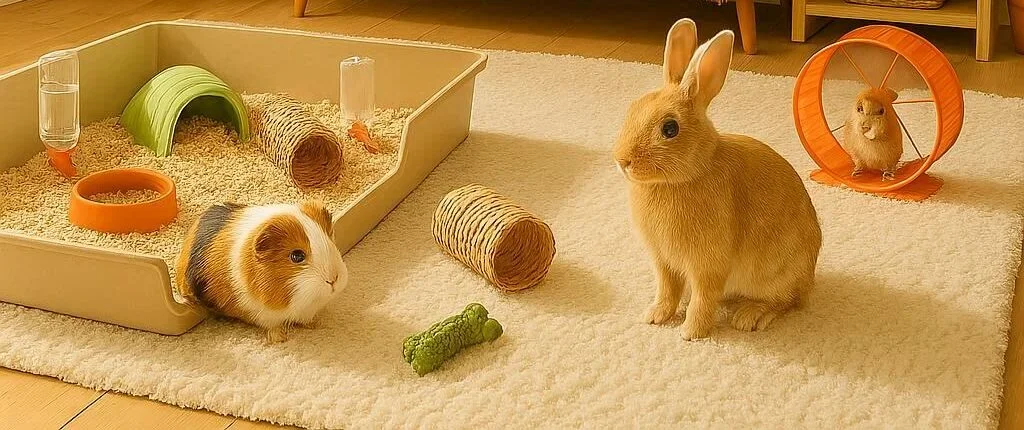
Tiny Exotic Pets Adorable Choices
When it comes to pet ownership, many people gravitate toward the familiar—dogs, cats, or even fish. However, a growing trend is the fascination with tiny exotic pets that combine the charm of small size with the intrigue of unique species. These miniature marvels not only bring a touch of the wild into your home but also offer a delightful companionship that can brighten any day. In this guide, we’ll explore some of the most adorable tiny exotic pets, discuss their care requirements, and help you decide which one might be the perfect addition to your family.
1. Axolotl: The Aquatic Wonder
The axolotl, also known as the Mexican walking fish, is a neotenic salamander that retains its larval features throughout life. Its translucent skin, feathery gills, and gentle demeanor make it a standout choice for those who love aquatic pets. Axolotls thrive in cool, freshwater environments and are relatively low-maintenance, requiring a tank with a stable temperature between 60–68°F (15–20°C) and a pH of 6.5–7.5. They are primarily carnivorous, feeding on worms, small crustaceans, and specially formulated pellets.
- Tank size: Minimum 20 gallons for a single adult.
- Water quality: Regular partial water changes (25–30%) to keep ammonia and nitrite levels low.
- Feeding: Offer live or frozen bloodworms, brine shrimp, and high-quality axolotl pellets.
- Handling: Avoid direct contact; axolotls have delicate skin that can be damaged by oils and chemicals.
For more detailed care instructions, consult the Axolotl Wikipedia page and the American Zoo and Aquarium Association guidelines.
2. Sugar Glider: The Fluffy Glider
Originating from Australia, sugar gliders are small marsupials that can glide between trees using a patagium—a membrane stretched between their limbs. Their large, expressive eyes and soft fur make them irresistibly cute. Sugar gliders are nocturnal and highly social, often requiring companionship of their own species or a human caretaker who can engage with them during their active hours.
Key care points include:
- Housing: A spacious enclosure (minimum 48 inches tall, 36 inches wide, and 24 inches deep) with plenty of climbing structures.
- Diet: A balanced mix of fresh fruit, vegetables, protein sources like boiled eggs, and a specialized sugar glider food.
- Socialization: Daily interaction and enrichment activities to prevent boredom and aggression.
- Health: Regular veterinary check-ups, especially for dental and ear health.
Learn more about sugar glider care from the PetMD Sugar Glider guide and the American Zoo and Aquarium Association.
3. Pygmy Goat: The Miniature Herd
For those who prefer a land-based companion, the pygmy goat offers a playful and intelligent option. These goats are only about 2–3 feet tall at the shoulder and are known for their curious nature and gentle disposition. They can be excellent indoor pets if provided with adequate space and enrichment.
Essential care tips:
- Space: A secure outdoor pen with a minimum of 200 square feet per goat.
- Diet: Grass, hay, and a balanced goat feed; supplement with fresh vegetables.
- Social needs: Goats are herd animals; consider keeping at least two to satisfy their social instincts.
- Health: Routine deworming, hoof trimming, and vaccination against common goat diseases.
For more information, visit the American Zoo and Aquarium Association and the Wildlife Trust resources on goat care.
4. Pygmy Hedgehog: The Tiny Spiky Friend
Pygmy hedgehogs are small, nocturnal mammals that have become popular as exotic pets due to their manageable size and low maintenance. They are solitary creatures that require a warm, dark environment and a diet rich in protein. Their spines provide protection, but they can also be a source of discomfort if handled improperly.
Care guidelines include:
- Enclosure: A 4–5 foot long cage with a secure lid and a substrate of paper bedding.
- Temperature: Maintain 72–78°F (22–26°C) with a heat lamp during cooler months.
- Diet: Commercial hedgehog food, supplemented with mealworms, crickets, and fresh fruit.
- Handling: Gentle, minimal handling to reduce stress and prevent spine damage.
Detailed care instructions can be found on the Hedgehog Society website and the Wildlife Trust guide.
5. Fennec Fox: The Ear‑Topping Cutie
The fennec fox, native to the Sahara Desert, is renowned for its oversized ears and playful demeanor. While they are larger than some of the other pets listed, their compact size and affectionate nature make them a favorite among exotic pet enthusiasts. Fennec foxes are crepuscular, meaning they are most active during dawn and dusk, and they require a stimulating environment to thrive.
Key points for fennec fox owners:
- Housing: A large, secure enclosure with sand or dirt substrate and plenty of hiding spots.
- Diet: A balanced diet of protein (meat, fish), fresh fruits, and vegetables.
- Enrichment: Toys, tunnels, and interactive play sessions to prevent boredom.
- Health: Regular veterinary care, including vaccinations and parasite control.
For comprehensive care information, refer to the American Zoo and Aquarium Association and the Wildlife Trust resources on fox care.
Choosing the Right Tiny Exotic Pet
When selecting a tiny exotic pet, consider the following factors:
- Space and Environment: Ensure you have the appropriate enclosure and a safe, stimulating environment.
- Time Commitment: Exotic pets often require specialized care and regular interaction.
- Legal Restrictions: Check local regulations regarding exotic pet ownership.
- Health and Veterinary Care: Access to a vet experienced with exotic species is essential.
- Long‑Term Commitment: Many exotic pets have lifespans that can exceed a decade.
By carefully evaluating these aspects, you can choose a pet that aligns with your lifestyle and provides a rewarding companionship.
Conclusion: Embrace the Tiny Exotic Adventure
Adopting a tiny exotic pet can be a deeply fulfilling experience, offering a blend of novelty, affection, and responsibility. Whether you’re drawn to the aquatic grace of an axolotl, the playful antics of a sugar glider, or the gentle charm of a pygmy goat, each species brings its own unique joys and challenges. Remember to research thoroughly, consult reputable sources, and prepare a suitable environment to ensure your new companion thrives.
Ready to bring home a tiny exotic pet? Start your journey today by exploring reputable breeders, rescue organizations, and veterinary specialists. Your new furry, feathered, or scaled friend awaits!
Frequently Asked Questions
Q1. What are the most popular tiny exotic pets?
Some of the most sought-after tiny exotic pets include the axolotl, sugar glider, pygmy goat, pygmy hedgehog, and fennec fox. Each offers a unique blend of charm, size, and care requirements. Owners often choose based on their living space, time commitment, and interest in either aquatic or terrestrial species.
Q2. Are tiny exotic pets legal in all states?
Legality varies by region. Many states have specific regulations or outright bans on certain exotic species, especially those that could become invasive or pose health risks. Before purchasing, check local wildlife and animal control laws, and obtain any necessary permits.
Q3. What kind of enclosure do I need for a sugar glider?
A sugar glider requires a spacious cage—at least 48 inches tall, 36 inches wide, and 24 inches deep—to allow for climbing and gliding. The enclosure should include multiple levels, branches, and a secure lid. Providing enrichment such as tunnels and chew toys helps keep them mentally stimulated.
Q4. How long do pygmy goats live?
Pygmy goats typically live between 10 to 12 years, though with proper care they can reach 15 years or more. Their lifespan depends on diet, veterinary care, and living conditions. Regular deworming, hoof trimming, and vaccinations are essential for longevity.
Q5. Can I keep a fennec fox as a pet?
Fennec foxes can be kept as pets in some areas, but they require a large, secure enclosure and specialized care. They are crepuscular, meaning they are most active at dawn and dusk, and need a diet rich in protein and fresh produce. Potential owners should also consider the legal restrictions and the long-term commitment, as fennec foxes can live 10–12 years.