Gentle Small Pets for Kids
Choosing the right companion for a child can be both exciting and daunting. Parents often look for animals that are not only adorable but also easy to care for and safe around little hands. Gentle Small Pets fit the bill perfectly, offering a blend of companionship, responsibility, and low-maintenance care that makes them ideal for families with young children.
Gentle Small Pets: The Ideal Choice for Young Families
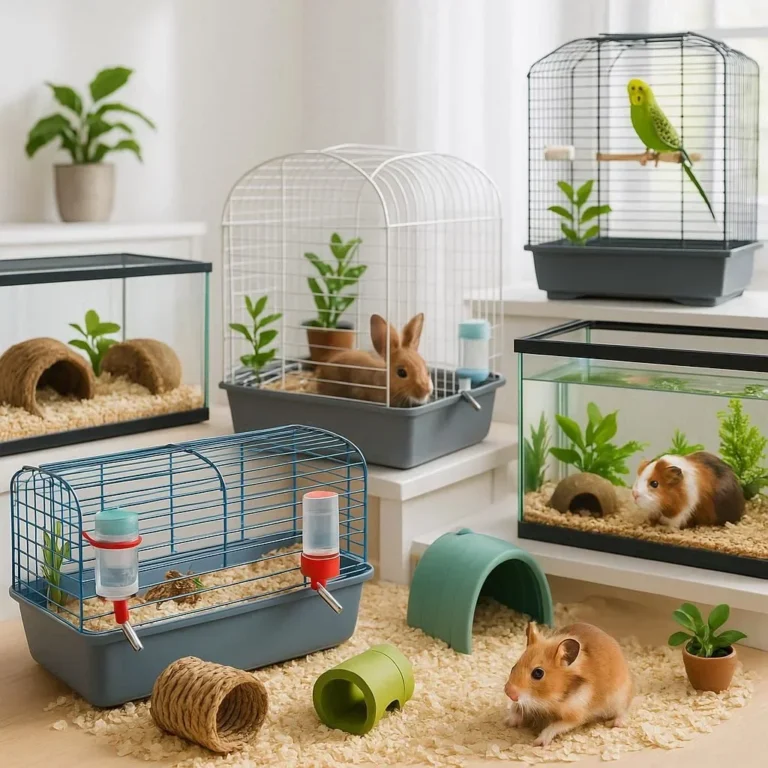
When it comes to Gentle Small Pets, the focus is on animals that are calm, approachable, and forgiving of a child’s occasional mishaps. These pets provide a gentle introduction to animal care, teaching kids empathy and routine without overwhelming them. The most popular options include guinea pigs, rabbits, fish, hamsters, and certain bird species. Each of these animals brings unique benefits while remaining manageable for a child’s level of maturity.
Gentle Small Pets for Learning Responsibility
One of the greatest advantages of Gentle Small Pets is their role in fostering responsibility. Children learn to feed, groom, and clean their pet’s environment, which translates into valuable life skills. For instance, a guinea pig’s diet requires fresh vegetables and a balanced schedule, while a fish tank demands regular water changes and temperature checks. These tasks help children develop time management and consistency.
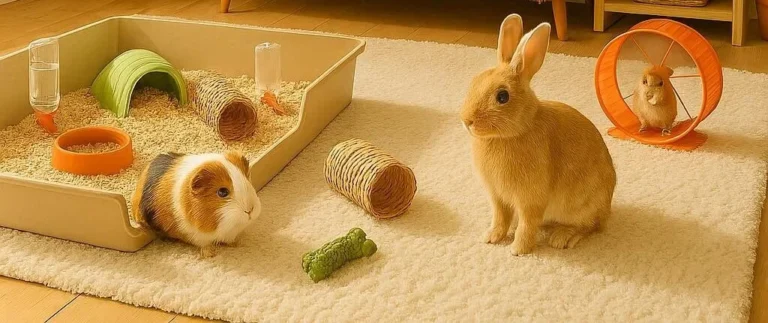
- Guinea Pig – Known for their friendly nature, guinea pigs thrive on social interaction and a diet rich in hay, fresh veggies, and pellets. Guinea pig care involves daily feeding and gentle handling.
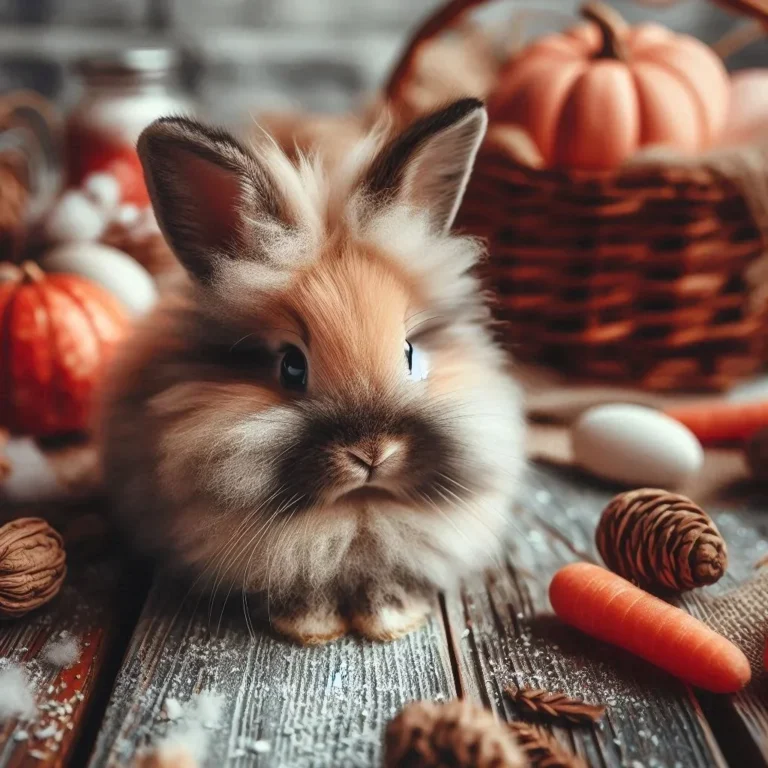
- Rabbit – Rabbits are affectionate and can be trained to use a litter box. They require a spacious enclosure and a diet of hay, fresh greens, and limited pellets. Rabbit owners often enjoy the playful nature of these animals.
- Betta Fish – These colorful fish are low-maintenance and perfect for children who enjoy watching aquatic life. A small tank with a filter and regular water changes keeps them healthy. Betta fish are a visual treat and easy to care for.
- Hamster – Hamsters are small, nocturnal, and require a secure cage with bedding, a wheel, and chew toys. They are great for teaching children about nocturnal habits and the importance of a safe environment. CDC hamster guide provides safety tips.
- Budgie (Budgerigar) – Budgies are social birds that enjoy interaction and can learn simple tricks. They need a spacious cage, fresh water, and a balanced diet of seeds and fresh fruit. AVMA pet care resources offer comprehensive bird care advice.
Gentle Small Pets and Family Bonding
Beyond responsibility, Gentle Small Pets serve as catalysts for family bonding. Shared pet care routines create opportunities for parents and children to collaborate, fostering communication and teamwork. Watching a rabbit hop or a fish glide can spark conversations about biology, ecosystems, and the importance of caring for living beings.
Moreover, these pets can be therapeutic. Studies show that interacting with animals reduces stress and improves mood. For children with anxiety or developmental challenges, a calm companion can provide comfort and a sense of security. The gentle touch of a guinea pig or the rhythmic splash of a fish can be soothing and grounding.
Gentle Small Pets: Care and Safety Tips
While Gentle Small Pets are generally low-maintenance, safety and proper care are paramount. Below are essential guidelines to ensure a healthy, happy pet and a safe environment for your child:
- Choose the Right Size – Ensure the pet’s size matches the child’s ability to handle it. Smaller animals like hamsters are easier to manage, while rabbits require more space and supervision.
- Set Up a Secure Habitat – Use cages or tanks that prevent escape and protect the pet from accidental injury. Secure lids and smooth edges are essential.
- Establish a Feeding Schedule – Consistency helps maintain the pet’s health. Provide fresh water daily and follow species-specific dietary guidelines.
- Teach Gentle Handling – Show children how to hold and touch the pet calmly. Encourage slow movements and avoid sudden gestures that could startle the animal.
- Monitor Health – Watch for signs of illness such as lethargy, changes in appetite, or unusual behavior. Consult a veterinarian if concerns arise.
- Encourage Hygiene – Teach children to wash hands before and after handling pets. This practice prevents the spread of germs and promotes good hygiene habits.
By following these steps, families can create a nurturing environment where both the child and the pet thrive. The bond formed through daily care can last a lifetime, providing lessons in empathy, responsibility, and unconditional love.
Conclusion: Embrace the Joy of Gentle Small Pets
Incorporating Gentle Small Pets into your family’s life offers a multitude of benefits—from teaching responsibility to fostering emotional well‑being. These animals are not only adorable companions but also valuable educational tools that help children grow into compassionate, organized adults.
Ready to bring a gentle companion home? Explore reputable breeders, rescue shelters, and pet stores that specialize in low‑maintenance, child‑friendly animals. Start your journey today and watch your child’s confidence and empathy blossom alongside their new furry or feathered friend.
Take the first step—discover the perfect Gentle Small Pet for your family and create lasting memories together.
Frequently Asked Questions
Q1. What makes a pet gentle and suitable for children?
A gentle pet is calm, tolerant of handling, and forgiving of occasional mishaps. They typically have a docile temperament and are less likely to bite or scratch. Small size and predictable behavior make them ideal for young hands, while their low maintenance needs keep parents from feeling overwhelmed.
Q2. Which small pets are best for first‑time pet owners?
Guinea pigs, hamsters, and betta fish are popular choices for beginners. They require simple daily routines, minimal space, and have a forgiving nature. Each species offers a different learning experience, from feeding schedules to tank maintenance.
Q3. How often should I feed a guinea pig?
Guinea pigs should receive fresh hay at all times, with daily portions of fresh vegetables and a small amount of pellets. A typical feeding schedule includes two to three vegetable servings per day, ensuring a balanced diet. Always provide clean water and monitor for changes in appetite.
Q4. Can a child safely handle a rabbit?
Yes, with proper guidance. Children should learn gentle handling techniques, such as supporting the rabbit’s hindquarters and avoiding sudden movements. Supervision is essential, especially for younger kids, to prevent accidental bites or stress to the animal.
Q5. What safety precautions should I take when setting up a fish tank?
Use a secure, child‑proof lid to prevent escapes. Keep the tank out of reach of curious toddlers and ensure the filter and heater are properly installed. Regular water changes and temperature checks are vital to maintain a healthy environment for the fish.