Tiny Cute Birds Best Choices
Choosing a pet that brings joy, color, and a gentle chirp into your home can be a delightful experience. When it comes to small, feathered companions, the phrase Tiny Cute Birds instantly evokes images of playful, affectionate creatures that fit comfortably in apartments and family homes alike. In this guide, we’ll explore the most popular tiny bird species, their care requirements, and how to create a welcoming environment that keeps them healthy and happy. Whether you’re a first‑time bird owner or looking to add a new feathered friend to your collection, this article will help you make an informed decision.
Tiny Cute Birds: Popular Species for Home Pets
When selecting a tiny bird, it’s essential to consider temperament, lifespan, and care needs. Below are some of the most beloved species that fit the “tiny cute birds” description and thrive in domestic settings.
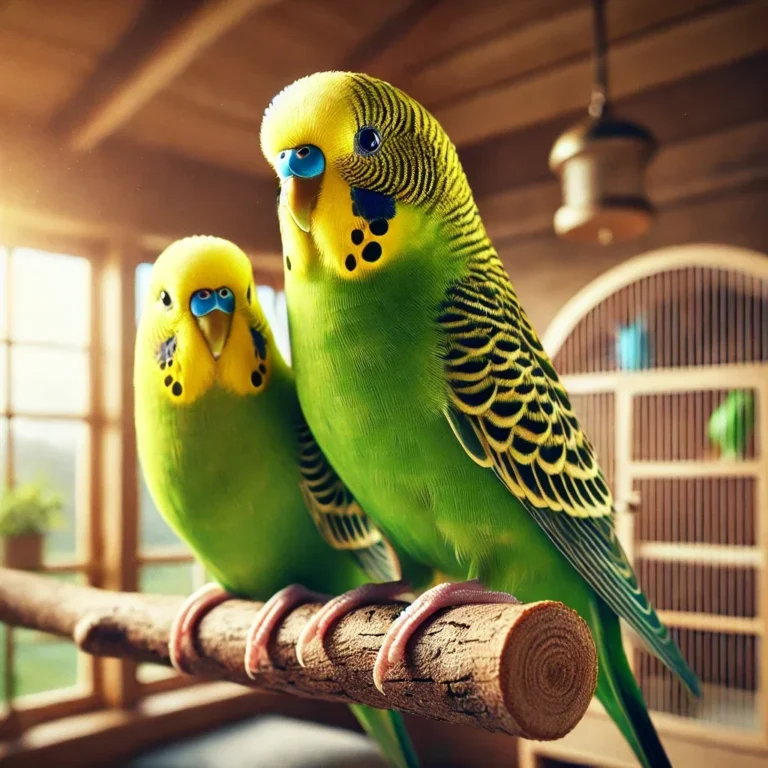
- Budgerigar (Budgie) – The classic pet bird, known for its playful nature and ability to mimic sounds.
- Indian Ringneck Parakeet – Slightly larger than budgies but still small enough for most homes; they are intelligent and social.
- Finches (e.g., Zebra Finch, Gouldian Finch) – Small, active, and often kept in pairs or small groups.
- Canary – Renowned for their singing; they prefer quiet environments and minimal handling.
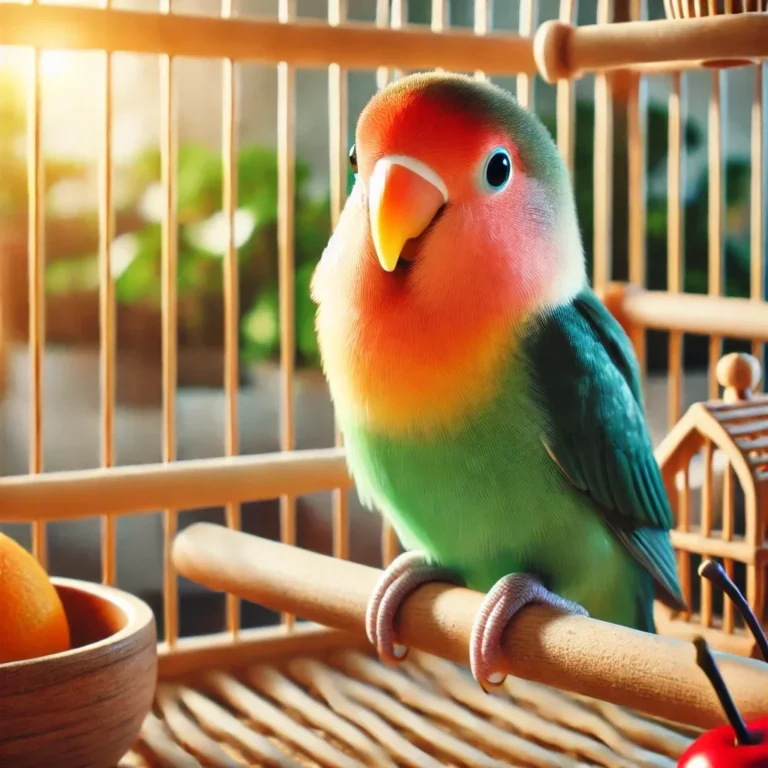
- Lovebirds – Tiny, affectionate, and best kept in pairs to satisfy their social nature.
Understanding Tiny Cute Birds’ Care Needs
While these birds share a common size range, each species has unique requirements. Below are key care aspects to keep in mind:
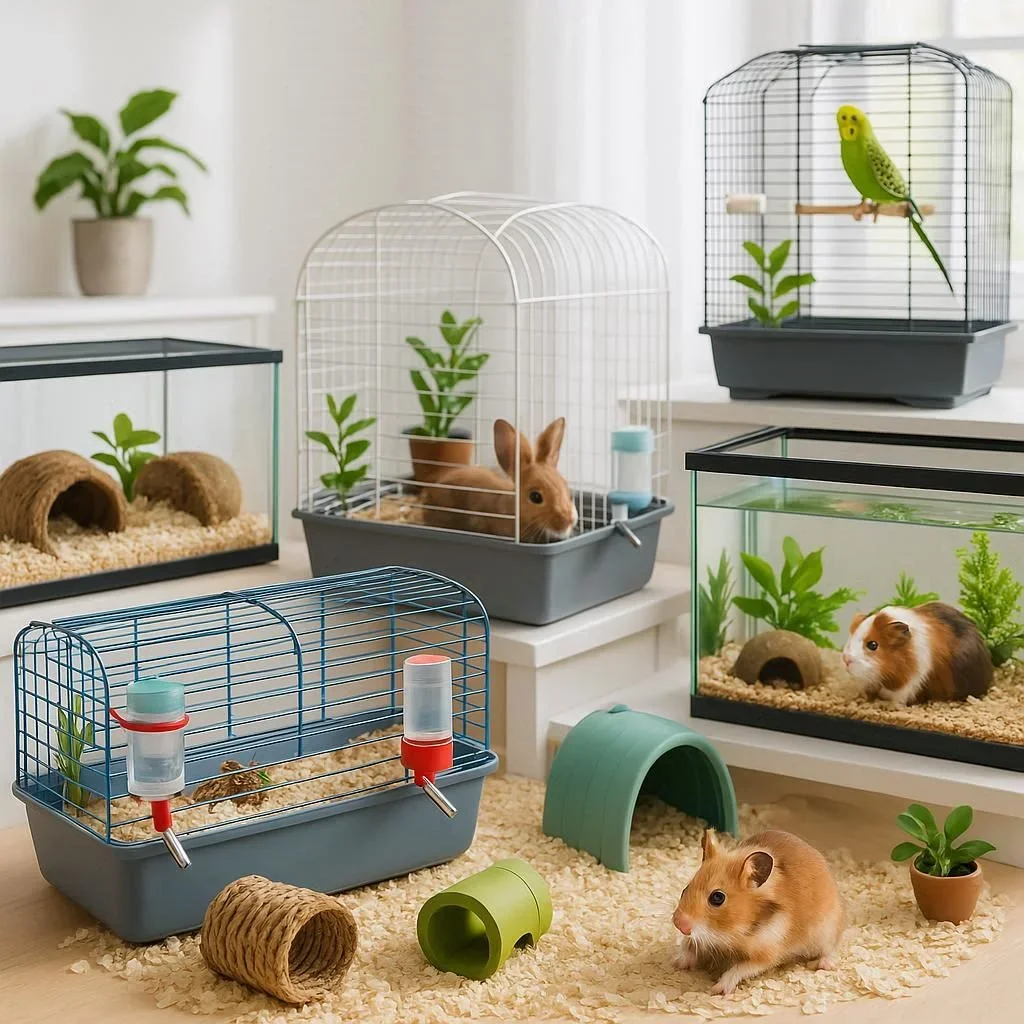
- Housing – A spacious cage with perches, toys, and a shallow water dish is essential. For example, a 18‑inch cage is suitable for budgies, while lovebirds may need a slightly larger enclosure.
- Diet – A balanced mix of seeds, pellets, fresh fruits, and vegetables ensures proper nutrition. Avoid avocado, chocolate, and excessive sugary treats.
- Social Interaction – Most tiny birds thrive on daily interaction. Spend at least 15–20 minutes each day talking, singing, or gently handling them.
- Health Monitoring – Watch for signs of feather loss, droppings changes, or lethargy. Regular vet check‑ups are recommended.
- Environmental Enrichment – Rotate toys, provide safe chew items, and offer perches of varying textures to stimulate natural behaviors.
Choosing the Right Tiny Cute Bird for Your Lifestyle
Matching a bird’s personality with your living situation can make all the difference. Consider the following factors:
- Noise Level – Budgies and finches can be noisy, especially during breeding season. Canaries are quieter but sing loudly.
- Longevity – Budgies live 5–10 years, while lovebirds can reach 15–20 years with proper care.
- Space Availability – If you live in a small apartment, a single budgie or finch may be ideal. Lovebirds and pairs of finches require more space.
- Allergies – Some people are allergic to bird feathers or dander. Consider hypoallergenic species or consult an allergist.
- Time Commitment – Birds need daily interaction. If you travel frequently, a bird that can handle solitude may be preferable.
Creating a Bird‑Friendly Home Environment
Beyond the cage, the surrounding environment plays a crucial role in a bird’s well‑being. Here are practical tips to make your home safe and stimulating:
- Secure Windows – Install screens or keep windows closed during the day to prevent escape.
- Temperature Control – Maintain a stable temperature between 65–80°F (18–27°C). Avoid drafts and direct sunlight.
- Safe Plants – Remove toxic plants such as philodendron or pothos; opt for bird‑safe varieties like spider plant or Boston fern.
- Noise Management – Use soft background music or white noise to mask sudden loud sounds that may scare birds.
- Regular Cleaning – Clean the cage weekly and replace bedding to prevent bacterial growth.
Health and Safety Resources for Tiny Cute Birds
Staying informed about bird health and safety is essential. Below are reputable resources that provide in‑depth information and guidance:
- Budgerigar – Wikipedia
- American Birding Association
- USDA Animal Welfare
- All About Birds – Cornell Lab of Ornithology
- PetMD Bird Care
Conclusion: Embrace the Joy of Tiny Cute Birds
Adopting a tiny cute bird can transform your living space into a vibrant, interactive sanctuary. By carefully selecting a species that aligns with your lifestyle, providing proper care, and creating a safe environment, you’ll enjoy the companionship of a feathered friend for years to come. Remember, the key to a happy bird is consistent attention, a balanced diet, and a loving home.
Ready to welcome a tiny cute bird into your life? Explore reputable breeders, rescue centers, and local avian clubs today, and discover the perfect feathered companion for your home!
Frequently Asked Questions
Q1. What are the most popular tiny cute bird species for beginners?
Beginners often choose budgerigars (budgies) because they are playful, easy to handle, and can mimic sounds. Indian ringneck parakeets are slightly larger but still manageable and highly intelligent. Finches, such as zebra and Gouldian finches, thrive in pairs or small groups and are great for apartment living. Canaries are ideal for those who prefer a quieter bird that sings beautifully. Lovebirds, known for their affectionate nature, are best kept in pairs to satisfy their social needs.
Q2. How much space does a tiny cute bird need?
Space requirements vary by species. A budgie needs an 18‑inch cage, while lovebirds benefit from a slightly larger enclosure. Finches do well in a 20‑inch cage, especially when kept in pairs. Canaries can be housed in a 16‑inch cage, but they appreciate extra room for perching. Always ensure the cage has ample perches, toys, and a shallow water dish.
Q3. What diet should I give my tiny cute bird?
A balanced diet includes a mix of high‑quality seeds, pellets, fresh fruits, and vegetables. Avoid avocado, chocolate, and sugary treats, as they can be harmful. Offer fresh water daily and rotate food items to keep your bird interested. Supplements like calcium tablets can help maintain healthy feathers and bones.
Q4. How often should I clean the cage?
Clean the cage at least once a week by removing old bedding, wiping down surfaces, and replacing fresh bedding. Daily spot‑cleaning of droppings and food remains helps prevent bacterial growth. Regular cleaning also reduces odors and keeps your bird’s environment healthy.
Q5. Can tiny cute birds live with other pets?
Many tiny birds can coexist with other pets if introductions are gradual and supervised. Cats and dogs should be kept at a safe distance to prevent stress or injury. Birds are sensitive to loud noises, so a calm household is ideal. Always monitor interactions and provide separate spaces if needed.