Low Maintenance Small Pets Guide
Choosing a pet that fits a busy lifestyle can feel daunting, but it doesn’t have to be. Low maintenance small pets offer companionship without the demands of a dog or cat, making them perfect for beginners or anyone with a hectic schedule. In this guide, we’ll explore the best options, share practical care tips, and help you decide which pet is right for you.
Low Maintenance Small Pets: The Ideal Choice
When you’re new to pet ownership, the first question is often, “What can I care for without spending hours each day?” Low maintenance small pets are designed to thrive on minimal interaction and simple routines. They typically require less space, fewer supplies, and less frequent veterinary visits than larger animals. This makes them ideal for apartment dwellers, students, or anyone who values a pet that fits into a busy life.
Low Maintenance Small Pets: Daily Care Tips
Regardless of the species you choose, there are common care practices that keep your pet healthy and happy. Below is a quick checklist you can follow daily, weekly, and monthly.
- Feeding: Most small pets eat once or twice a day. Use a measured portion to avoid overfeeding, which can lead to obesity.
- Water: Fresh water should be available at all times. Change it daily to prevent bacterial growth.
- Hygiene: Clean litter boxes or cages weekly. Spot‑clean daily to keep odors at bay.
- Exercise: Provide a safe space for short play sessions. Even a few minutes of interaction can satisfy their natural curiosity.
- Health Checks: Inspect for signs of illness—lethargy, changes in appetite, or unusual discharge. Early detection saves time and money.
Following these simple steps ensures your pet remains healthy and reduces the likelihood of costly vet visits.
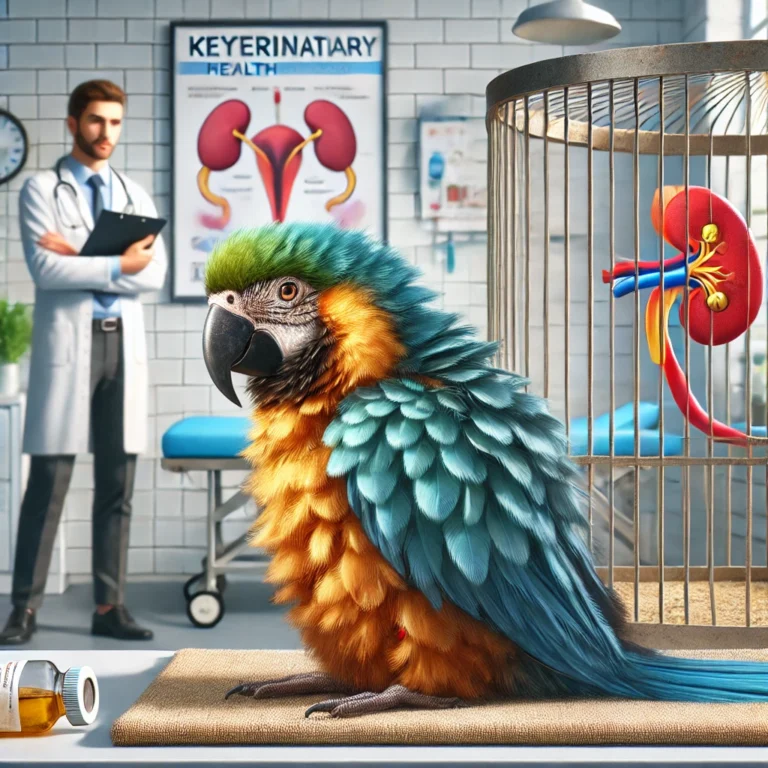
Low Maintenance Small Pets: Common Health Concerns
While low maintenance small pets are generally resilient, they can still develop health issues. Understanding these common concerns helps you act quickly and keep your pet thriving.
- Respiratory Problems: Small mammals like guinea pigs and rabbits can develop respiratory infections if kept in damp or poorly ventilated environments. Keep the cage dry and provide fresh air.
- Dental Issues: Hamsters and gerbils have continuously growing teeth. Offer chew toys and a diet rich in fiber to prevent overgrowth.
- Parasites: Fleas and mites can affect any small pet. Regularly inspect and use vet‑recommended treatments.
- Obesity: Overfeeding and lack of exercise can lead to weight gain. Monitor portions and encourage activity.
Regular check‑ups with a veterinarian experienced in small animal care can catch these problems early. Many clinics offer low‑cost wellness exams for small pets.
Low Maintenance Small Pets: Choosing the Right Species
Below is a curated list of the most popular low‑maintenance small pets, each with its own unique charm and care requirements. Use this guide to match your lifestyle with the right companion.
- Hamsters – Ideal for first‑time owners. They are solitary, nocturnal, and require a simple cage with bedding, a wheel, and a water bottle. Hamster Wiki
- Guinea Pigs – Social and gentle, they thrive in pairs or small groups. They need a spacious enclosure, hay, and fresh vegetables. Guinea Pig Wiki
- Betta Fish – A vibrant aquarium fish that requires a small tank, water conditioner, and occasional feeding. Betta Wiki
- Leopard Geckos – Quiet reptiles that need a terrarium with heat and humidity control. They are easy to feed and handle. Leopard Gecko Wiki
- African Dwarf Frogs – Small aquatic amphibians that live in a tank with plants and a filter. They are low‑maintenance and fascinating to watch. African Dwarf Frog Wiki
- Budgerigars (Budgies) – Small parrots that are playful and social. They need a cage, perches, and a balanced diet. Budgerigar Wiki
When selecting a pet, consider the following factors:
- Space: Does your living area accommodate the enclosure?
- Time: How much daily interaction can you provide?
- Allergies: Are you or anyone in your household allergic to fur or feathers?
- Longevity: Some pets live longer than others; plan for the long term.
Consult reputable sources such as the American Veterinary Medical Association for species‑specific care guidelines and the U.S. Fish & Wildlife Service for information on native species and regulations.
Remember, the best pet for you is one that fits your lifestyle, budget, and personality. Take your time to research and visit local breeders or shelters to meet potential companions.
Conclusion: Embrace the Joy of Low Maintenance Small Pets
Adopting a low maintenance small pet can bring companionship, joy, and a sense of responsibility into your life without overwhelming your schedule. By choosing the right species, following simple care routines, and staying vigilant about health, you’ll enjoy a rewarding pet relationship that fits seamlessly into your daily routine.
Ready to find your perfect companion? Explore local shelters, reputable breeders, or rescue organizations today and take the first step toward a happier, more balanced life with a low‑maintenance small pet.
Frequently Asked Questions
Q1. What are the most common low maintenance small pets?
Popular choices include hamsters, guinea pigs, betta fish, leopard geckos, African dwarf frogs, and budgerigars. Each offers a unique personality while requiring minimal daily upkeep. They are ideal for first‑time owners or those with limited time.
Q2. How much daily time do they need?
Most low maintenance pets need only a few minutes of interaction each day. Feeding, water refilling, and a quick check of their enclosure usually take less than 10 minutes. Regular play sessions of 5–10 minutes keep them mentally stimulated.
Q3. Are they suitable for apartment living?
Yes, many of these pets thrive in small spaces. A hamster or betta fish can live comfortably in a compact cage or tank. Just ensure proper ventilation, noise control, and a safe environment.
Q4. What common health issues should I watch for?
Respiratory infections, dental overgrowth, parasites, and obesity are frequent concerns. Keep their habitat dry, provide chew toys, use vet‑recommended treatments, and monitor weight to prevent problems.
Q5. Where can I adopt or buy responsibly?
Look for reputable shelters, rescue groups, or licensed breeders. Check the American Veterinary Medical Association and local animal welfare organizations for guidance. Responsible adoption ensures a healthy start for your new companion.