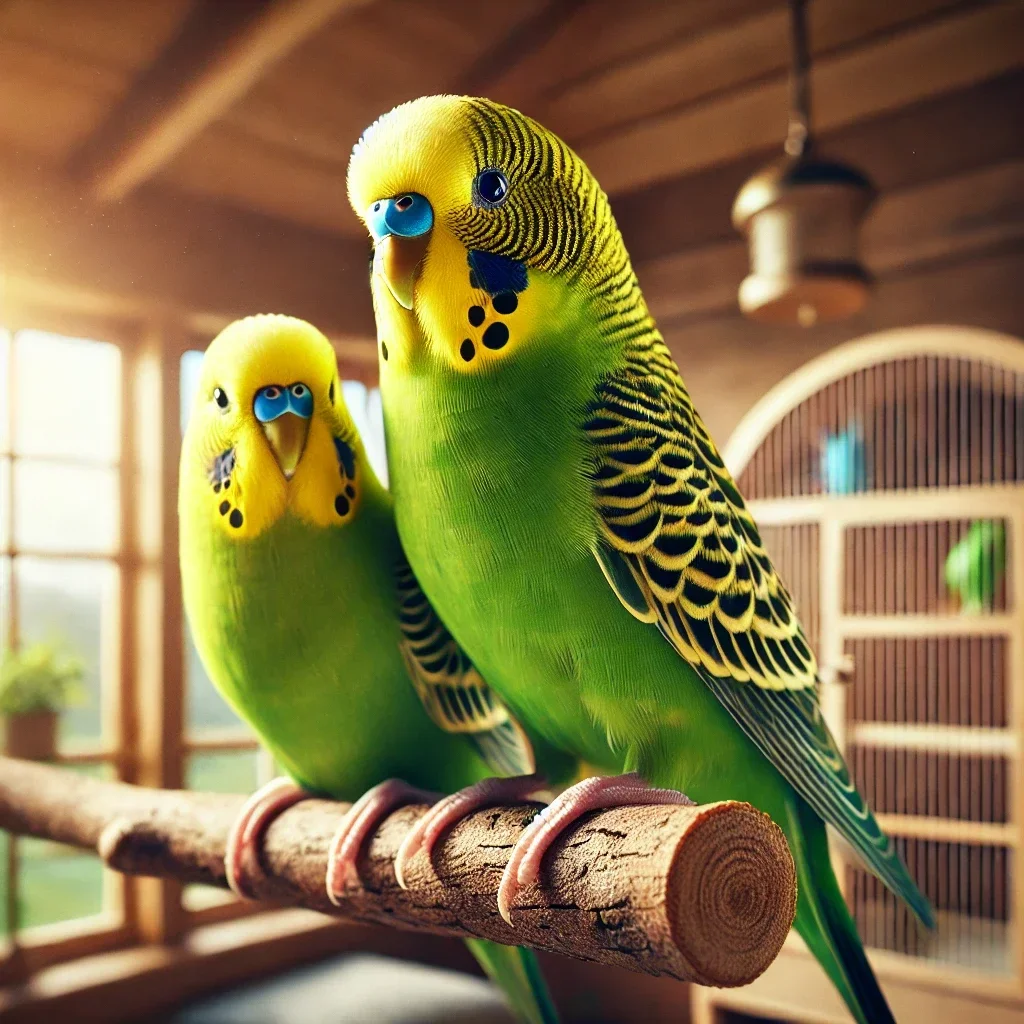
Colorful Pet Birds Home Care
Colorful Pet Birds Home Care is a rewarding journey that blends vibrant companionship with mindful responsibility. Whether you’re drawn to the bright plumage of a budgie or the striking hues of a cockatiel, these feathered friends bring joy, conversation, and a splash of nature into your living space. This guide will walk you through selecting the right species, setting up a safe environment, feeding them a balanced diet, and maintaining their health and happiness.
Choosing Colorful Pet Birds for Your Home
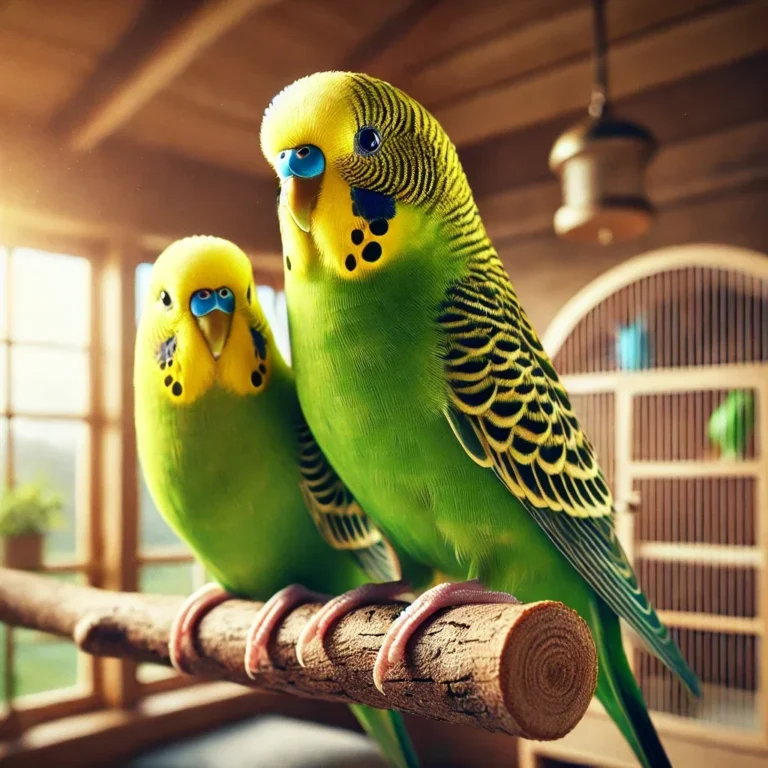
When selecting a colorful pet bird, consider the bird’s size, temperament, and care requirements. Smaller species like the Budgerigar (Budgie) are ideal for first‑time owners, while larger parrots such as the Amazon Parrot demand more space and social interaction. Budgerigar and Amazon Parrot are both popular choices for their vivid colors and engaging personalities.
- Size and Space: Small birds fit comfortably in a 20‑inch cage, whereas larger parrots require at least a 36‑inch enclosure.
- Social Needs: Many colorful pet birds thrive on interaction; consider whether you can dedicate time for daily play.
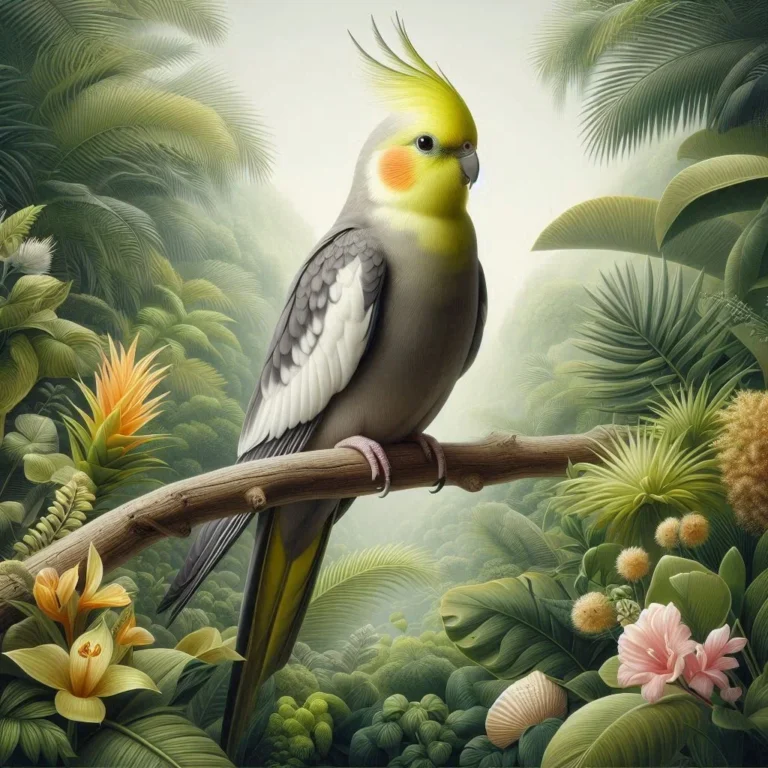
- Noise Level: Some species, like the Cockatiel, are quieter, while others, such as the African Grey Parrot, can be quite vocal.
- Longevity: Budgies live 5–10 years, whereas parrots can reach 30–50 years, demanding long‑term commitment.
Setting Up a Safe and Stimulating Environment
Creating a bird‑friendly home starts with a well‑designed cage and a thoughtfully arranged living space. The cage should be sturdy, with bars spaced no more than 1.5 inches apart to prevent escape. Provide perches of varying diameters to support foot health, and include toys that encourage natural foraging behaviors.
Place the cage in a quiet area away from direct sunlight and drafts. Birds are sensitive to temperature fluctuations; aim for a stable indoor climate between 65–80°F (18–27°C). Use a bird‑safe air purifier to reduce dust and allergens that can affect respiratory health.
Essential Accessories for Colorful Pet Birds
Here’s a quick checklist of must‑have items:
- Perches (wooden, cork, or natural fibers)
- Interactive toys (chewable, puzzle, and mirror)
- Water bottle with a spout to prevent spills
- Feeder with a shallow dish for seeds and fresh produce
- Cleaning supplies (bird‑safe disinfectant, paper towels)
Feeding Your Colorful Pet Birds: Nutrition and Variety
A balanced diet is crucial for maintaining vibrant plumage and overall health. Most colorful pet birds benefit from a mix of high‑quality seed blends, fresh fruits, vegetables, and occasional protein sources.
Seed mixes should be supplemented with pellets that provide essential vitamins and minerals. Avoid high‑fat seeds like sunflower and safflower, which can lead to obesity. Instead, focus on millet, canary seed, and oat groats.
Fresh produce is a staple: leafy greens such as kale, spinach, and romaine lettuce; crunchy veggies like carrots, bell peppers, and broccoli; and fruits such as apples (seed removed), berries, and grapes (in moderation). Always wash produce thoroughly to remove pesticides.
Protein can be offered in the form of boiled eggs, cooked beans, or commercial protein pellets. For parrots, occasional treats like boiled peas or a small piece of cooked chicken can be a delightful addition.
Maintaining Health and Preventing Common Bird Issues
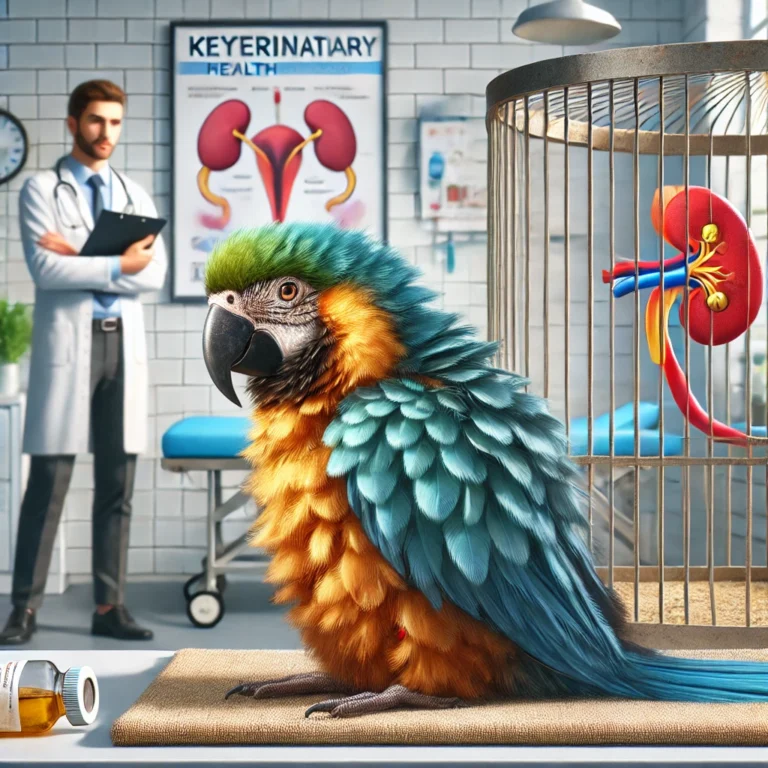
Regular health checks are essential. Look for signs of feather loss, abnormal droppings, or changes in behavior. A sudden drop in activity or vocalization may indicate stress or illness.
Vaccinations and parasite control are less common for pet birds than for mammals, but regular vet visits are still recommended. A reputable avian veterinarian can perform routine exams, check for feather mites, and advise on parasite prevention.
Environmental enrichment reduces boredom and promotes mental well‑being. Rotate toys weekly, introduce new perches, and provide safe opportunities for flight or supervised outdoor time in a secure enclosure.
Behavioral Tips: Building a Bond with Your Colorful Pet Bird
Birds are highly social creatures. Spend at least 15–20 minutes daily interacting with your bird outside the cage. Use gentle hand‑taming techniques, offering treats to encourage trust. Avoid sudden movements or loud noises that can startle them.
Positive reinforcement is key. Praise and treat your bird when it performs desired behaviors, such as stepping onto your hand or using a new toy. Consistency builds confidence and strengthens the human‑bird bond.
Conclusion: Embrace the Vibrant Life of Colorful Pet Birds
Adopting a colorful pet bird is more than a hobby—it’s a lifelong partnership that enriches both your life and the bird’s. By choosing the right species, creating a safe environment, feeding a balanced diet, and providing regular health care and enrichment, you’ll foster a thriving, joyful companion.
Ready to welcome a feathered friend into your home? Explore reputable breeders, rescue organizations, and local avian clubs to find the perfect colorful pet bird for you.
For more detailed care guides, visit the Avian Health Organization and the U.S. Fish & Wildlife Service for conservation resources.
Frequently Asked Questions
Q1. Which colorful pet bird species are best for first‑time owners?
Budgerigars (budgies) and cockatiels are popular choices for beginners because they are small, relatively low maintenance, and have friendly temperaments. They thrive in a 20‑inch cage and can be trained to talk and perform simple tricks. Their lifespan of 5–10 years makes them a manageable long‑term commitment. However, always research each species’ specific needs before deciding.
Q2. How often should I clean my bird’s cage?
Clean the cage at least once a week by removing droppings, replacing water, and wiping down perches and toys. Spot‑clean daily to keep the environment fresh. Use bird‑safe disinfectants and avoid harsh chemicals that can irritate feathers and skin. Regular cleaning helps prevent infections and keeps your bird healthy.
Q3. What foods should I avoid feeding my colorful pet bird?
Avoid high‑fat seeds such as sunflower and safflower, which can lead to obesity and liver problems. Grapes and raisins should be given sparingly or not at all, as they can cause digestive upset. Also steer clear of avocado, chocolate, caffeine, and alcohol, all of which are toxic to birds. Stick to a balanced mix of seed blends, pellets, fresh produce, and occasional protein.
Q4. How can I prevent feather loss in my bird?
Feather loss can signal nutritional deficiencies or stress. Ensure a diet rich in vitamins, especially A, D, and E, and provide calcium sources like cuttlebone. Offer regular perching and exercise to maintain feather health. If feather loss persists, consult an avian veterinarian for a thorough exam and possible treatment.
Q5. How much daily interaction is needed to keep my bird happy?
Most colorful pet birds benefit from 15–20 minutes of hands‑on interaction each day. This can include talking, offering treats, or gentle hand‑taming. Consistent, positive reinforcement builds trust and reduces anxiety. If you’re away for long periods, consider a companion bird or interactive toys to keep them engaged.