Cute Pet Birds Beginner Guide
Choosing a pet bird can be an exciting adventure, especially for first‑time owners. Cute Pet Birds offer companionship, vibrant colors, and playful personalities that brighten any home. However, the responsibility of caring for a feathered friend requires knowledge, commitment, and the right environment. This beginner’s guide will walk you through the essential steps—from selecting the perfect species to creating a safe enclosure, feeding, and training—so you can enjoy a healthy, happy bird companion for years to come.
Cute Pet Birds: Choosing the Right Species
Not all birds are created equal, and the species you choose will dictate the level of care, space, and interaction you can provide. Start by asking yourself these key questions:
- How much time can I dedicate to daily interaction?
- Do I have a small apartment or a spacious backyard?
- Am I prepared for the noise level and potential mess?
- What is my budget for food, toys, and veterinary care?
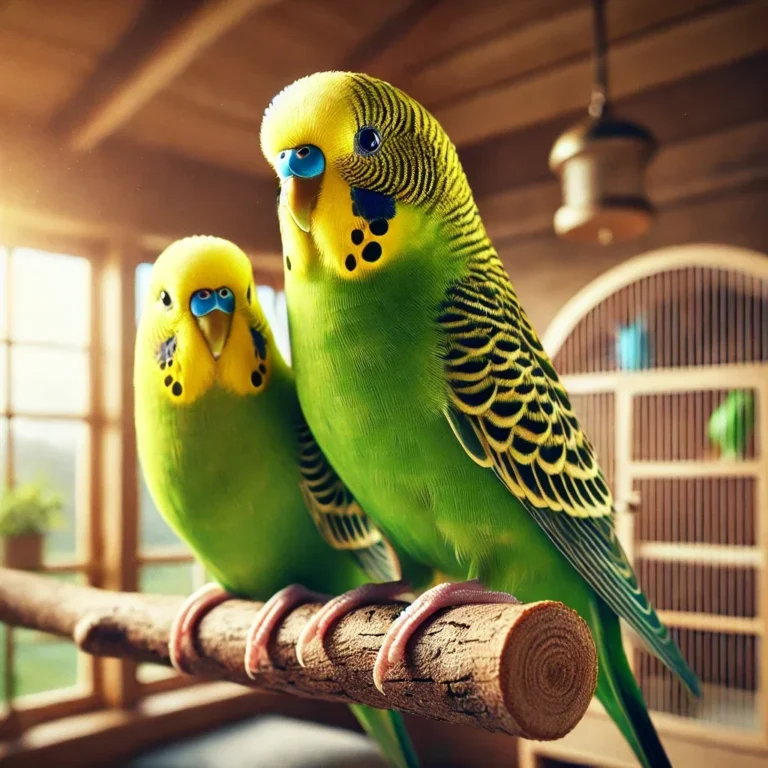
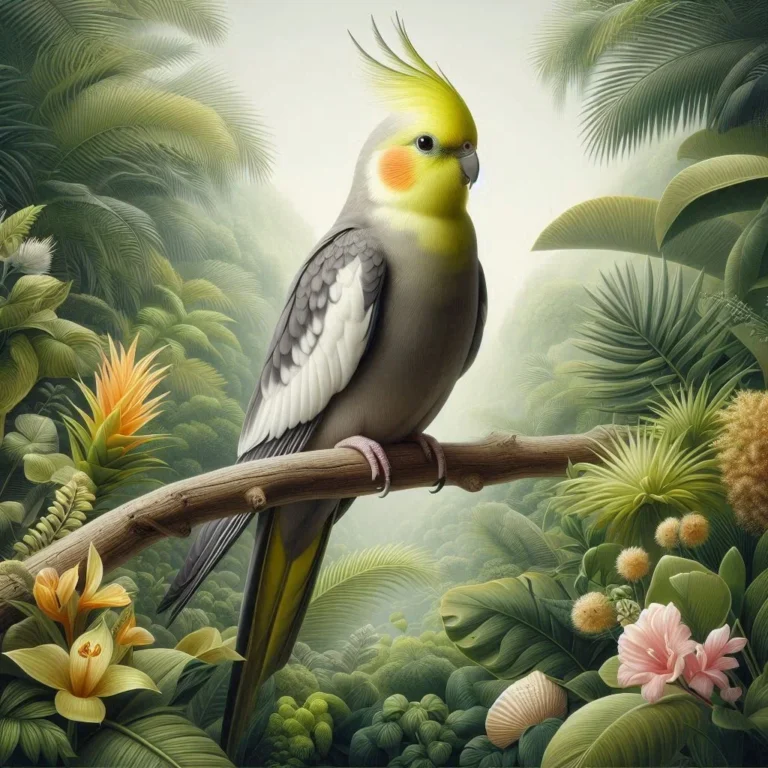
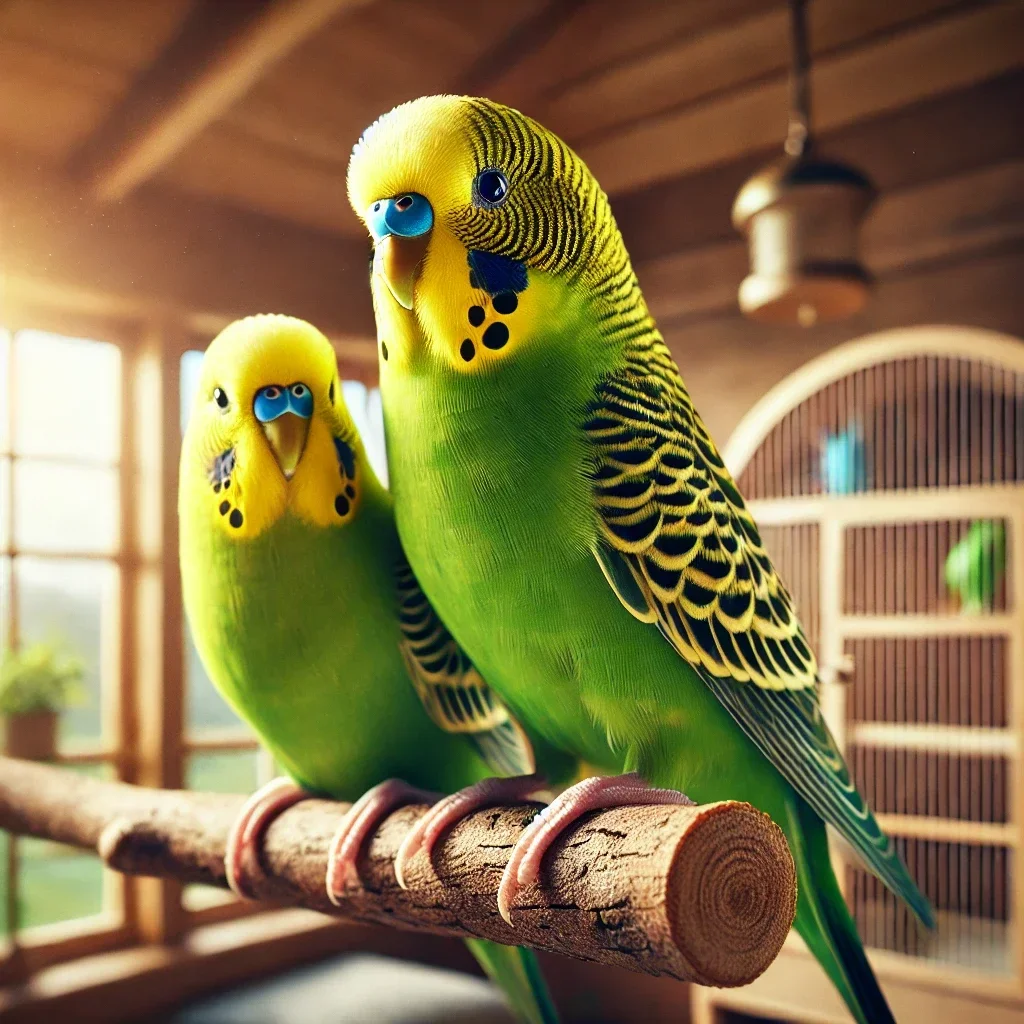
Common beginner-friendly species include the Budgerigar (Budgie), the Canary, and the Finch. These birds are small, relatively quiet, and thrive in a well‑maintained cage. If you’re looking for a slightly larger companion, consider a Cockatiel or a Conure. For more detailed species comparisons, the Avian Health Network offers comprehensive guides on bird behavior and care.
Cute Pet Birds: Setting Up a Safe Enclosure
A bird’s cage is its home, so it must be safe, spacious, and stimulating. A good rule of thumb is to provide at least 12 inches of horizontal space per bird, plus extra room for climbing and flying. Use a cage with bars no wider than 1 inch to prevent escape. Place the cage in a draft‑free area with natural light, but shield it from direct sunlight to avoid overheating.
Inside the cage, include a variety of perches—different diameters and textures—to support foot health. Add a shallow dish for water and a separate dish for food. For enrichment, hang toys such as mirrors, bells, and chewable branches. Rotate toys weekly to keep your bird mentally stimulated.
Regular cleaning is essential. Spot‑clean the cage daily and perform a full clean every two weeks. Use a bird‑safe disinfectant; avoid harsh chemicals that can be inhaled. The U.S. Fish & Wildlife Service provides guidelines on safe cleaning practices for pet birds.
Cute Pet Birds: Daily Care and Nutrition
Nutrition is the cornerstone of a bird’s health. A balanced diet typically includes a high‑quality pellet mix, fresh fruits, and vegetables. Avoid avocado, chocolate, and caffeine—these are toxic to birds. Offer fresh water daily and replace it at least twice a week to prevent bacterial growth.
Feeding schedule matters: most birds thrive on two meals a day—one in the morning and one in the late afternoon. Provide a shallow dish for seeds or nuts, but limit them to 10% of the diet to prevent obesity. For a deeper dive into species‑specific dietary needs, consult the BirdLife International database.
Health checks are vital. Look for signs of feather loss, lethargy, or abnormal droppings. Schedule an annual check‑up with an avian veterinarian. The Nature Conservancy offers resources on finding certified avian vets in your area.
Cute Pet Birds: Training and Socialization
Birds are intelligent and can learn simple commands, such as “step up” or “come.” Start training early, using positive reinforcement—treats, praise, and gentle handling. Keep training sessions short (5–10 minutes) to match a bird’s attention span.
Socialization is equally important. Spend at least 15–20 minutes daily interacting with your bird—talking, singing, or offering a treat. This builds trust and reduces anxiety. If you’re away for extended periods, consider a companion bird or a bird‑friendly TV program to keep your pet engaged.
Remember that each bird has a unique personality. Some may enjoy being handled, while others prefer to observe from a perch. Respect your bird’s boundaries and gradually increase interaction as trust develops.
Conclusion: Embrace the Joy of Cute Pet Birds
Owning a Cute Pet Bird is a rewarding experience that blends companionship, color, and curiosity. By choosing the right species, creating a safe enclosure, providing balanced nutrition, and engaging in consistent training, you’ll lay the foundation for a healthy, happy feathered friend. Ready to bring a little winged wonder into your life? Start your journey today and discover the endless joy that Cute Pet Birds bring to any home. Take the first step—visit your local pet store or rescue center, and let the adventure begin!
Frequently Asked Questions
Q1. What are the best beginner-friendly bird species?
Common starter birds include Budgerigars (Budgies), Canaries, and Finches. They are small, relatively quiet, and thrive in well-maintained cages. If you want a slightly larger companion, consider a Cockatiel or Conure, which still require moderate care but offer more interaction.
Q2. How large should a bird cage be?
A good rule of thumb is at least 12 inches of horizontal space per bird, plus extra room for climbing and flying. Bars should be no wider than 1 inch to prevent escape, and the cage should be placed in a draft‑free area with natural light but shielded from direct sun.
Q3. What does a balanced diet for a pet bird look like?
Include a high‑quality pellet mix, fresh fruits, and vegetables. Avoid toxic foods like avocado, chocolate, and caffeine. Offer fresh water daily and replace it at least twice a week to keep it clean.
Q4. How can I train my bird to be more social?
Use positive reinforcement such as treats, praise, and gentle handling. Keep training sessions short (5–10 minutes) and spend 15–20 minutes daily interacting with your bird through talking, singing, or offering treats.
Q5. When should I take my bird to a veterinarian?
Schedule an annual check‑up with an avian veterinarian. Also visit a vet if you notice feather loss, lethargy, or abnormal droppings, as early detection can prevent serious health issues.