Friendly Cat Breeds for Families
Choosing a pet that fits seamlessly into a family’s daily life can be a rewarding yet challenging decision. When it comes to cats, families often look for companions that are not only affectionate but also adaptable to various household dynamics. The term Friendly Cat Breeds has become a popular search phrase for parents, grandparents, and pet lovers seeking a feline friend that will thrive alongside children, other pets, and busy schedules. In this guide, we’ll explore the most family‑friendly cat breeds, their temperament traits, and practical tips for ensuring a harmonious home environment.
Friendly Cat Breeds: The Top Choices for Families
While every cat has its own personality, certain breeds are renowned for their sociable nature and low-maintenance grooming needs. Below is a curated list of five breeds that consistently rank high in family friendliness, backed by reputable sources and real-world observations.
- Maine Coon – Known for its gentle giant demeanor, the Maine Coon is affectionate, playful, and tolerant of children. Its large size and sturdy build make it less likely to be startled by energetic kids.
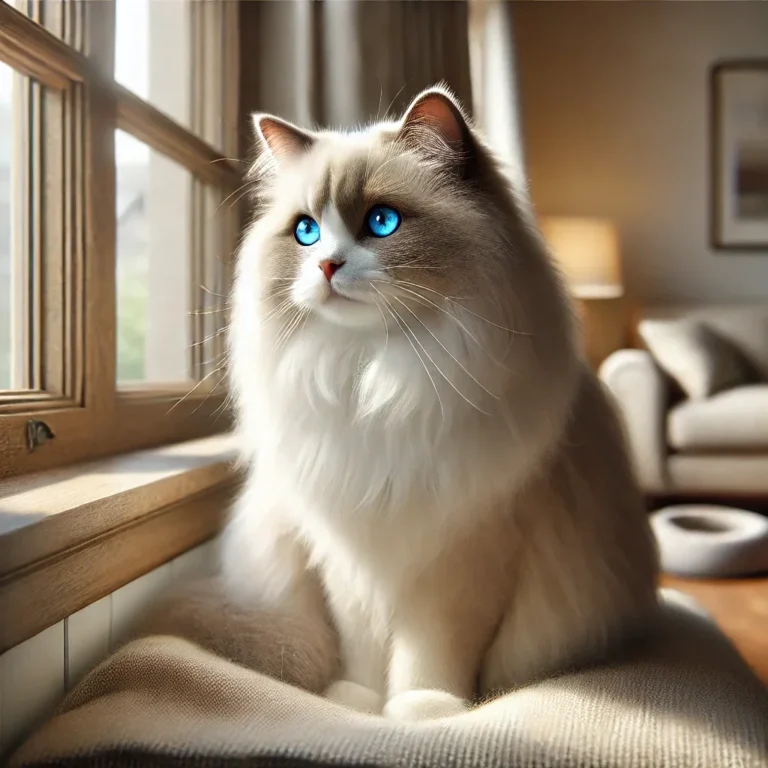
- Ragdoll – The Ragdoll’s signature “floppy” response to handling makes it a natural cuddle buddy. They thrive on human interaction and are typically patient with pets and toddlers alike.
- British Shorthair – A calm, laid‑back breed that enjoys quiet companionship. Their moderate activity level suits families that prefer a relaxed pet.
- Siamese – Highly vocal and intelligent, Siamese cats form strong bonds with family members. Their curiosity keeps them engaged, making them excellent companions for active households.
- Birman – Often called the “Sacred Cat of Burma,” Birmans are affectionate, gentle, and enjoy being part of family routines.
Choosing Friendly Cat Breeds for Families: What to Consider
When selecting a cat, temperament is just one factor. Families should also evaluate the following considerations to ensure a smooth integration:
- Energy Level – High-energy breeds may overwhelm younger children or require more interactive playtime.
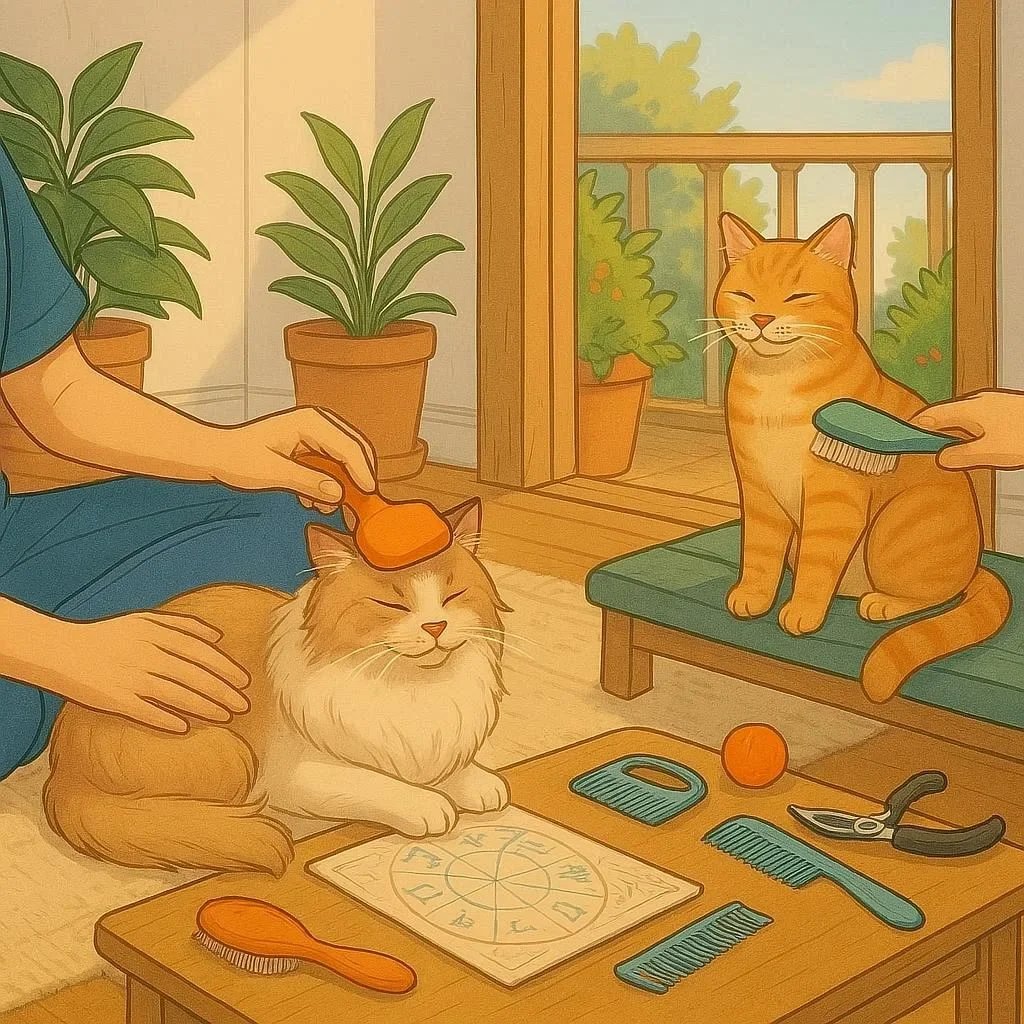
- Grooming Needs – Long-haired breeds often need regular brushing, while short-haired cats are generally low-maintenance.
- Health History – Some breeds are predisposed to genetic conditions; researching reputable breeders can mitigate health risks.
- Noise Tolerance – Cats that vocalize frequently may be less suitable for families with young children or those who prefer a quieter environment.
- Allergies – If anyone in the household has allergies, consider hypoallergenic breeds or consult a veterinarian.
For a deeper understanding of cat behavior and how to assess a cat’s suitability for your family, the Cat Behavior Basics article by the Cat Fanciers’ Association provides valuable insights.
Integrating a Friendly Cat Breed into a Busy Household
Once you’ve chosen a breed, the next step is to create a welcoming environment that supports both the cat’s needs and the family’s routines. Here are practical strategies:
- Safe Spaces – Provide a quiet perch or a cozy bed where the cat can retreat when overwhelmed.
- Interactive Play – Use wand toys, laser pointers, or puzzle feeders to channel the cat’s natural hunting instincts.
- Consistent Routine – Cats thrive on predictability; feeding, playtime, and grooming should occur at similar times each day.
- Positive Reinforcement – Reward gentle behavior with treats or affection to reinforce desired interactions.
- Gradual Introductions – If you have other pets, introduce them slowly and supervise initial interactions to prevent stress.
For families looking to adopt, the Choosing the Right Cat guide from the Humane Society offers step‑by‑step advice on selecting a cat that matches your lifestyle.
Health and Longevity of Friendly Cat Breeds
While temperament is crucial, a cat’s health and lifespan also play a significant role in family life. Below are key health considerations for the breeds highlighted earlier:
- Maine Coon – Prone to hypertrophic cardiomyopathy; regular veterinary check-ups can catch early signs.
- Ragdoll – Susceptible to hypertrophic cardiomyopathy and certain eye conditions; genetic testing is recommended.
- British Shorthair – Generally healthy but may develop obesity if overfed; balanced diet is essential.
- Siamese – Can experience respiratory issues due to their short snouts; ensure they have a comfortable environment.
- Birman – Often healthy but watch for dental problems; regular dental care is advised.
Veterinary resources such as the Cornell University College of Veterinary Medicine provide comprehensive breed‑specific health information.
Conclusion: Embrace the Joy of Friendly Cat Breeds
Adopting a Friendly Cat Breeds companion can enrich family life with affection, playfulness, and companionship. By carefully evaluating temperament, health, and household dynamics, families can choose a cat that not only fits their lifestyle but also brings lasting joy. Whether you’re drawn to the gentle giant of the Maine Coon or the vocal charm of the Siamese, the right cat can become a cherished member of your family.
Ready to welcome a friendly feline into your home? Explore reputable breeders, rescue shelters, and adoption events today to find the perfect match for your family’s unique needs.
Frequently Asked Questions
Q1. What makes a cat breed family-friendly?
Family-friendly breeds typically exhibit a calm, sociable temperament and a tolerance for handling. They are patient with children, adaptable to household routines, and generally less prone to aggression or excessive vocalization. Breeds like the Maine Coon, Ragdoll, and British Shorthair are known for these traits, making them ideal companions for families.
Q2. Are there hypoallergenic friendly cat breeds?
While no cat is truly hypoallergenic, some breeds produce fewer allergens. Russian Blue, Bengal, and Oriental Shorthair are often recommended for allergy sufferers. These cats have short coats and shed minimally, reducing allergen spread while still offering affectionate, family-friendly behavior.
Q3. How do I introduce a new cat to children?
Start by allowing the cat to explore a child‑free area, then gradually introduce supervised interactions. Encourage gentle petting and reward calm behavior with treats. Over time, let the child participate in play and grooming, always supervising to ensure safety for both parties.
Q4. What grooming needs should I expect from friendly cat breeds?
Short‑haired breeds like the British Shorthair require minimal brushing—once a week is usually enough. Long‑haired breeds such as the Maine Coon or Ragdoll need daily brushing to prevent matting. Regular ear cleaning and occasional nail trimming are also part of routine care for all breeds.
Q5. Which friendly cat breeds are good for first‑time cat owners?
First‑time owners often find Maine Coon, Ragdoll, and British Shorthair to be forgiving and low‑maintenance. These breeds are tolerant of handling, have moderate energy levels, and are generally healthy with few breed‑specific medical issues. Their calm demeanor makes them a great fit for families new to cat ownership.