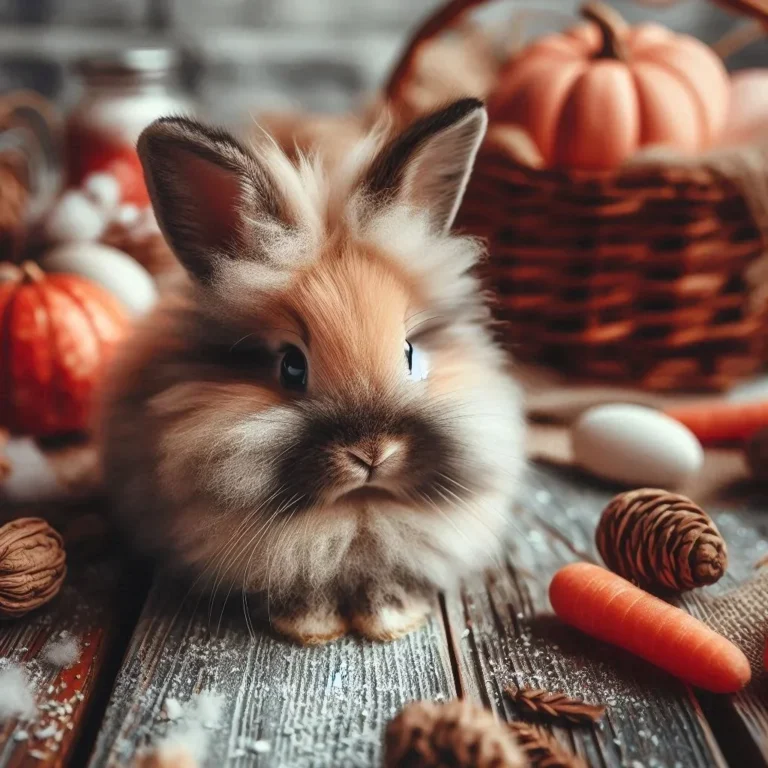
Small Pet Care Tips Guide
Small Pet Care Tips are essential for every owner who wants to ensure their furry companions live healthy, happy lives. Whether you have a hamster, guinea pig, rabbit, or a small bird, the fundamentals of care—nutrition, exercise, health monitoring, and enrichment—apply across species. By following these expert-backed guidelines, you’ll create a nurturing environment that promotes longevity and reduces common health issues.
Small Pet Care Tips: Nutrition Basics
Proper nutrition is the cornerstone of small pet health. Each species has unique dietary needs, but there are universal principles that apply to most small pets:
- Fresh, species‑appropriate food: For rodents, a high‑fiber pellet base supplemented with fresh greens is ideal. Rabbits require unlimited hay and a limited amount of pellets. Birds need a balanced seed mix plus fresh fruit and vegetables.
- Water hygiene: Clean, fresh water should be available at all times. Change water daily and use a shallow bowl to prevent spills.
- Portion control: Over‑feeding leads to obesity, which can cause joint problems and metabolic disorders. Use a measuring cup or scale to keep portions consistent.
- Supplementation: Some pets benefit from vitamin or mineral supplements, but only under veterinary guidance. For example, guinea pigs require vitamin C in their diet.
For detailed species‑specific nutrition charts, consult the American Veterinary Medical Association or the Cornell University College of Veterinary Medicine resources.
Small Pet Care Tips: Exercise and Enrichment
Physical activity and mental stimulation prevent boredom, obesity, and destructive behaviors. Here are key strategies:
- Daily playtime: Allow your pet to explore a safe, supervised area outside its cage. For rodents, a hamster ball or a small playpen works well. Rabbits enjoy short, supervised hopping sessions.
- Interactive toys: Chew toys for rodents, puzzle feeders for birds, and tunnels for rabbits keep them engaged.
- Environmental enrichment: Rotate toys, add new scents, or provide a small piece of cardboard for nesting. This mimics natural behaviors and reduces stress.
- Social interaction: Many small pets thrive on companionship. If you have multiple pets, ensure they are compatible and monitor interactions.
Learn more about enrichment techniques from the Wildlife Conservation Society and the World Health Organization guidelines on animal welfare.
Small Pet Care Tips: Health Check and Preventive Care
Regular veterinary visits and preventive care are vital. Small pets often hide signs of illness until it’s advanced. Follow these steps:
- Annual check‑ups: Schedule a yearly exam with a vet experienced in small animal medicine. Discuss vaccinations, parasite control, and dental health.
- Parasite prevention: Use flea and tick preventatives recommended by your vet. For rodents, keep bedding dry and clean.
- Dental care: Dental disease is common in small pets. Provide chew toys and monitor for bad breath or food refusal.
- Weight monitoring: Weigh your pet regularly. Sudden weight loss or gain can signal health issues.
The Centers for Disease Control and Prevention offers guidelines on zoonotic disease prevention for small pet owners.
Small Pet Care Tips: Behavior Training and Socialization
Training small pets improves safety and strengthens the human‑animal bond. Use positive reinforcement techniques:
- Clicker training: A clicker marks desired behavior, followed by a treat. This method works well with rabbits and birds.
- Consistent routines: Feed, play, and clean at the same times each day to reduce anxiety.
- Gradual exposure: Introduce new environments or people slowly, rewarding calm behavior.
- Handling practice: Gently touch your pet’s paws, ears, and mouth during routine care to desensitize them.
For comprehensive training guides, visit the American Kennel Club website, which offers resources applicable to small pets as well.
Conclusion: Your Small Pet’s Future Starts Today
By integrating these Small Pet Care Tips into your daily routine, you’ll provide a foundation for a healthy, enriched life for your companion. Remember, the key to longevity is consistent nutrition, regular exercise, preventive health care, and thoughtful behavior training. Start today—your small pet will thank you with years of loyal companionship.
Take the next step: Subscribe to our newsletter for weekly Small Pet Care Tips and exclusive resources.
Frequently Asked Questions
Q1. What are the most common nutritional mistakes for small pets?
Many owners over‑feed or give inappropriate foods, leading to obesity and digestive issues. Common mistakes include feeding too many sugary treats, neglecting species‑specific fiber needs, and using stale or moldy pellets. Always consult a vet or reputable guide to tailor a diet that meets your pet’s unique requirements. Regularly monitor weight and adjust portions accordingly. Small changes in diet can prevent long‑term health problems.
Q2. How often should I change my small pet’s water?
Fresh water should be available at all times, but it’s best to change it daily to keep it clean and odor‑free. Use a shallow bowl to reduce spills and ensure the water is free of contaminants. Some pets, like rabbits, may prefer a water bottle that keeps the water fresh longer. Always rinse the bowl or bottle before refilling. Consistent hydration is key to preventing urinary and digestive issues.
Q3. What are signs of obesity in small pets?
Obesity can be subtle, but look for a lack of a visible waistline, difficulty jumping or climbing, and a soft belly. Excess weight may also cause breathing difficulties or joint pain. Regular weigh‑ins and a body condition score chart can help you spot early signs. If you notice any of these symptoms, consult your vet for a weight‑management plan.
Q4. How can I prevent parasites in my small pet?
Use vet‑recommended flea and tick preventatives and keep bedding dry and clean. Rotate bedding materials and wash them frequently to reduce parasite eggs. Inspect your pet regularly for signs of infestation, such as itching or visible bugs. For rodents, maintain a dry environment and use dust‑free bedding to minimize mite risks.
Q5. What training methods work best for rabbits?
Positive reinforcement, such as clicker training, is highly effective for rabbits. Consistent routines and gentle handling help reduce anxiety. Gradual exposure to new environments, paired with treats, encourages calm behavior. Avoid punishment, as rabbits can become fearful and less responsive to training.