Cutest Small Pets for Home
Choosing a companion that fits a cozy living space can be both exciting and rewarding. When you’re looking for the cutest small pets for home care, you’re not just picking a pet—you’re selecting a lifelong friend that brings joy, comfort, and a touch of whimsy to your daily routine. In this guide, we’ll explore the most adorable options, share essential care tips, and help you decide which tiny friend is the perfect match for your lifestyle.
Why Small Pets Are Ideal for Home Care
Small pets offer a unique blend of companionship and manageability. They typically require less space, lower maintenance, and a more flexible schedule than larger animals. For busy families, new parents, or anyone living in apartments, these tiny companions can thrive in a well‑structured environment. Moreover, many small pets are known for their gentle personalities and low noise levels, making them ideal for shared living spaces.
Top 5 Cutest Small Pets for Home Care
Below is a curated list of the most beloved small pets, each celebrated for its charm, temperament, and suitability for indoor living. We’ve included key facts, care requirements, and why they stand out as the cutest options.
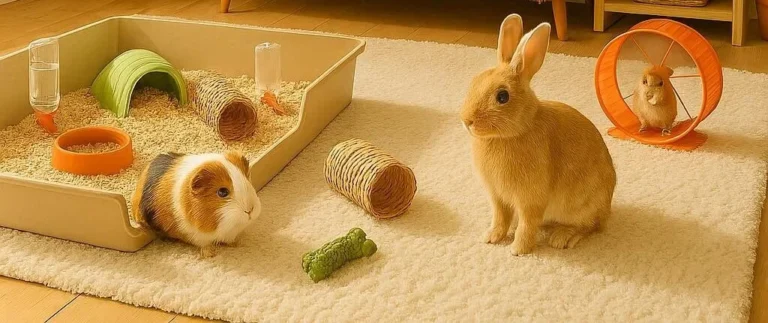
- Guinea Pig – These social rodents are affectionate, easy to handle, and come in a variety of colors. They thrive on a diet of fresh hay, vegetables, and a small amount of pellets. Guinea Pig Wiki
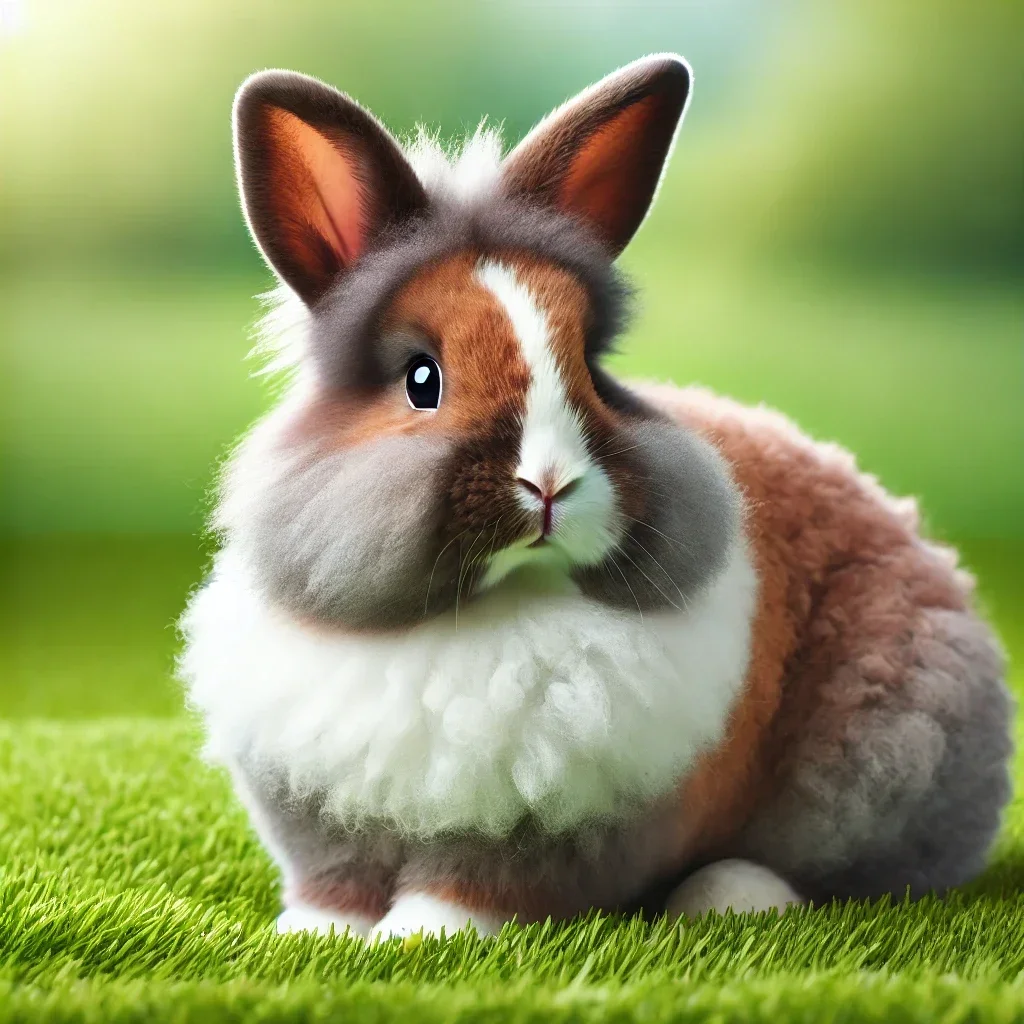
- Domestic Rabbit – Rabbits are playful, intelligent, and can be litter trained. They need a spacious enclosure, a balanced diet of hay and greens, and regular exercise. Rabbit Wiki
- Hamster – Ideal for small apartments, hamsters are low‑maintenance and enjoy a wheel for exercise. They prefer a diet of seeds, fresh fruit, and a small amount of protein. Hamster Wiki
- Ferret – Ferrets are curious, playful, and can bond closely with owners. They require a secure enclosure, a diet rich in protein, and plenty of supervised playtime. Ferret Wiki
- Sugar Glider – These marsupials are social, nocturnal, and love to glide. They need a large cage, a diet of fruit, insects, and specialized supplements. Sugar Glider Wiki
Essential Care Tips for Small Pet Health
Providing the cutest small pets with a healthy, happy life involves consistent care. Below are key areas to focus on:
- Nutrition – Offer a balanced diet tailored to each species. For guinea pigs, fresh hay and vitamin C‑rich vegetables are essential. Rabbits need constant access to hay and a limited amount of pellets. Hamsters thrive on a mix of seeds and fresh produce. Ferrets require high‑protein diets, while sugar gliders benefit from a varied diet of fruit, insects, and commercial supplements. CDC Guinea Pig Health
- Grooming – Regular brushing helps prevent matting and reduces shedding. Guinea pigs and rabbits benefit from weekly brushing, while ferrets and sugar gliders need gentle brushing to maintain fur health. Hamsters generally require minimal grooming but should be checked for skin issues. AVMA Ferret Care
- Exercise – Small pets need daily physical activity. Provide a safe play area or a running wheel for hamsters. Rabbits should have time outside their enclosure to hop and explore. Ferrets love interactive toys and supervised play sessions. Sugar gliders benefit from a large cage with perches and a gliding platform.
- Health Monitoring – Watch for signs of illness such as changes in appetite, lethargy, or unusual behavior. Schedule annual check‑ups with a veterinarian experienced in small animal care. Early detection of common issues—like dental problems in guinea pigs or respiratory infections in ferrets—can prevent serious complications.
- Enrichment – Keep your pet mentally stimulated with toys, puzzles, and social interaction. Rotate toys regularly to maintain interest. For social species like guinea pigs and rabbits, companionship is crucial; consider adopting a second pet of the same species.
Choosing the Right Cutest Small Pet for Your Lifestyle
When deciding which small pet to bring home, consider the following factors:
- Space – Rabbits and sugar gliders need larger enclosures, while hamsters and guinea pigs can comfortably live in smaller cages.
- Time Commitment – Ferrets and sugar gliders require more hands‑on interaction and supervision compared to hamsters.
- Allergies – If anyone in the household has allergies, guinea pigs and rabbits are generally hypoallergenic, whereas ferrets and sugar gliders may trigger reactions.
- Noise Tolerance – Rabbits can be quiet, but ferrets are active and may be noisy at night. Hamsters are nocturnal and typically quiet during the day.
- Longevity – Rabbits and guinea pigs can live 8–12 years, while ferrets and sugar gliders typically live 4–6 years. Hamsters have shorter lifespans of 2–3 years.
By matching your living situation with the pet’s needs, you’ll create a harmonious environment that benefits both you and your new companion.
Conclusion: Embrace the Joy of Small Pet Care
Adopting the cutest small pets for home care can transform your living space into a haven of companionship and delight. Whether you choose a gentle guinea pig, a playful rabbit, a curious ferret, or a sweet sugar glider, each offers unique joys and responsibilities. By following the care guidelines above, you’ll ensure a healthy, happy life for your tiny friend.
Frequently Asked Questions
Q1. What are the most popular small pets for apartment living?
Guinea pigs, hamsters, and rabbits are top choices because they need limited space, are quiet, and have manageable care routines.
Q2. How often should I feed a guinea pig?
Feed fresh hay daily, provide a small portion of pellets, and offer fresh vegetables twice a week. Water should be available at all times.
Q3. Can ferrets be litter trained?
Yes, ferrets can learn to use a litter box with consistent training and a suitable litter material. Patience and positive reinforcement are key.
Q4. Are sugar gliders suitable for first‑time pet owners?
They require specialized care, a large enclosure, and a varied diet, so they are best for experienced owners who can commit time and resources.
Q5. How long do hamsters typically live?
Most common pet hamsters live 2–3 years, so they are a short‑term companion compared to rabbits or guinea pigs.