Chinchilla as a Pet Guide
Chinchilla as a Pet is a fascinating choice for animal lovers who appreciate a quiet, affectionate companion that thrives in a controlled environment. These small rodents, native to the Andes, have become popular in households worldwide due to their soft fur, playful nature, and relatively low maintenance compared to other exotic pets. If you’re considering adding a chinchilla to your family, this comprehensive beginner’s guide will walk you through everything from selecting the right species to daily care, ensuring you provide a healthy, happy life for your new friend.
Chinchilla as a Pet: Choosing the Right Species
Before you bring a chinchilla home, it’s essential to understand the differences between the two main species: the Chinchilla lanigera (Long-tailed Chinchilla) and the Chinchilla chinchilla (Short-tailed Chinchilla). The Long‑tailed species is larger, typically weighing 1.5–2.5 lb, and is more common in the pet trade. Short‑tailed chinchillas are smaller, around 1–1.5 lb, and often have a slightly different temperament. Both species require similar care, but the Long‑tailed variety tends to be more adaptable to indoor living.
- Age at Purchase: Aim for a chinchilla that is at least 6–8 months old; younger animals may be more difficult to handle.
- Health Check: Verify that the seller provides a health certificate and that the animal has been screened for common conditions such as respiratory infections and dental issues.
- Source: Reputable breeders or rescue organizations are preferable to avoid supporting irresponsible pet trade practices.
- Behavior: Observe the chinchilla’s activity level and social cues; a calm, curious animal is a good indicator of overall health.
Chinchilla as a Pet: Housing and Environment
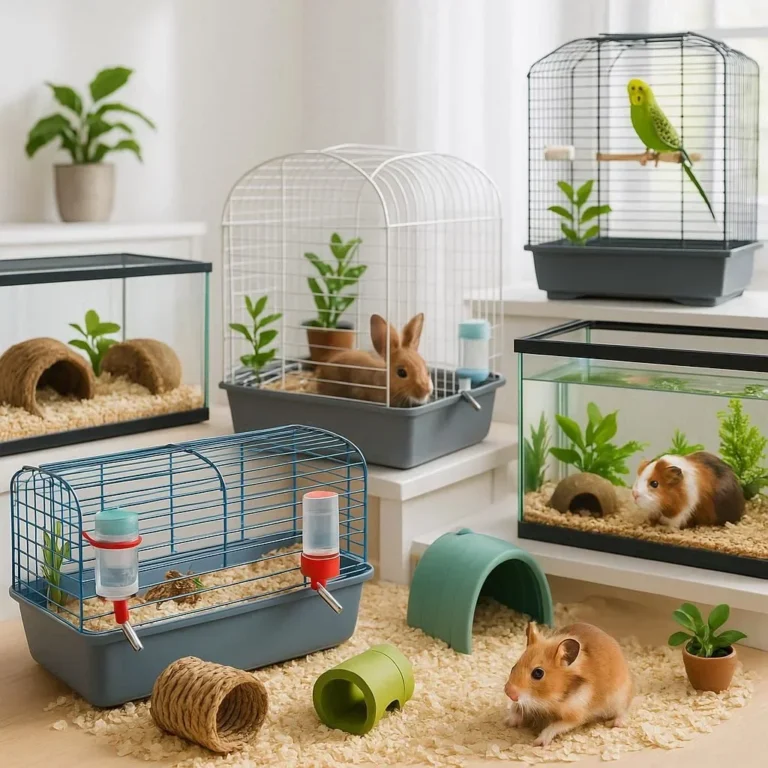
Chinchillas are highly active and require a spacious, well-ventilated enclosure. A minimum cage size of 18 inches by 18 inches by 24 inches is recommended for a single adult, but larger is always better. The cage should have multiple levels and plenty of climbing structures, as chinchillas love to explore vertical spaces. Avoid wire cages with gaps smaller than 1 in; a solid-bottom cage with a secure lid is ideal to prevent escape.
Temperature and humidity are critical. Keep the room temperature between 65–75 °F (18–24 °C) and avoid drafts. Chinchillas have a low tolerance for heat; overheating can lead to severe health problems. Use a fan or air conditioner if necessary, but never place the cage directly in front of a cooling vent.
Provide a dust bath area, as chinchillas naturally roll in dust to keep their fur clean. Use fine, unscented sand or commercial chinchilla dust; avoid silica or other abrasive materials that can damage their skin.
Chinchilla as a Pet: Diet and Nutrition
A balanced diet is the cornerstone of chinchilla health. Their primary food should be high‑quality chinchilla hay, such as Timothy or orchard grass, which provides essential fiber and helps maintain dental health. Offer hay ad libitum, ensuring fresh, clean water is available at all times.
Supplement hay with a small amount of chinchilla pellets—about 1/8 to 1/4 cup per day—rich in calcium and low in protein. Fresh vegetables can be introduced gradually; suitable options include carrots, bell peppers, and leafy greens like romaine lettuce. Avoid sugary or starchy foods, as they can cause digestive upset.
Chinchillas have a unique digestive system that requires a low‑fat diet. Overfeeding can lead to obesity and liver disease. Monitor body condition and adjust portions accordingly.
Chinchilla as a Pet: Grooming and Health Care
Unlike many rodents, chinchillas do not need regular brushing. Their dense fur is self‑cleaning, but you should gently wipe their ears and eyes with a damp cloth to remove debris. Inspect for signs of mites, skin irritation, or dental problems during routine checks.
Regular veterinary visits are essential. Schedule a check‑up at least once a year with a vet experienced in exotic pets. Discuss vaccinations, parasite prevention, and any concerns about respiratory health, as chinchillas are prone to infections if housed in damp conditions.
Keep the cage clean by spot‑cleaning daily and performing a full cleaning every 2–4 weeks. Use a mild, pet‑safe disinfectant; avoid harsh chemicals that can leave residues harmful to the animal.
Chinchilla as a Pet: Social Interaction and Enrichment
Chinchillas are social creatures that thrive on interaction. Spend at least 15–20 minutes daily handling your chinchilla, allowing it to get accustomed to your touch. Use gentle, slow movements to avoid startling the animal.
Provide enrichment toys such as chewable branches, tunnels, and puzzle feeders. These stimulate natural behaviors and prevent boredom, which can lead to destructive habits.
Consider adopting a second chinchilla if you have the time and resources. Pairs can bond and provide companionship, but ensure they are introduced gradually and monitored for aggression.
Chinchilla as a Pet: Common Health Issues to Watch For
Respiratory infections are the most common ailment in chinchillas. Symptoms include sneezing, nasal discharge, and wheezing. Maintain a dry, dust‑free environment to reduce risk.
Dental problems can arise if the chinchilla’s diet lacks sufficient fiber. Regular dental checks and a hay‑rich diet help prevent overgrowth of incisors.
Obesity is a serious concern due to their low activity level. Monitor weight and adjust feeding accordingly. If you notice rapid weight gain, consult a vet for dietary adjustments.
Chinchilla as a Pet: Legal and Ethical Considerations
Before purchasing a chinchilla, verify local regulations regarding exotic pets. Some regions require permits or have restrictions on ownership. Additionally, consider adopting from a rescue organization to give a second chance to an animal in need.
Ethical sourcing ensures that the animal’s welfare is prioritized. Reputable breeders follow strict health protocols and provide comprehensive care information.
Chinchilla as a Pet: Final Thoughts and Call to Action
Adopting a chinchilla as a pet can be a rewarding experience, offering companionship and a glimpse into the unique world of these gentle rodents. By selecting the right species, providing proper housing, nutrition, and care, you can ensure a healthy, happy life for your new friend.
Ready to welcome a chinchilla into your home? Start your journey today by researching reputable breeders, preparing a suitable enclosure, and committing to lifelong care. Your future chinchilla will thank you with endless affection and playful moments.
For more detailed information on chinchilla care, visit these trusted resources:
- Chinchilla – Wikipedia
- AVMA: Chinchillas
- USDA: Animal Health
- National Association of Chinchilla Owners
- PetMD: Chinchilla Care
Frequently Asked Questions
Q1. Which chinchilla species is best for a beginner?
The Long‑tailed chinchilla (Chinchilla lanigera) is larger, more common, and generally more adaptable to indoor life, making it a popular choice for first‑time owners. Short‑tailed chinchillas (Chinchilla chinchilla) are slightly smaller and may require a bit more handling experience. Both species thrive with proper care, so choose based on availability and your comfort level.
Q2. How often should I dust bathe my chinchilla?
Dust bathing 1–2 times per week is ideal. Use fine, unscented sand or commercial chinchilla dust to keep their fur clean and free of oils. Avoid silica or abrasive materials that can damage skin.
Q3. Can chinchillas live with other pets?
Chinchillas can coexist with cats or dogs if introductions are supervised and the other pets are gentle. However, they are shy and may become stressed, so it’s safest to keep them in a separate, secure enclosure.
Q4. What are common health issues to watch for?
Respiratory infections, dental overgrowth, and obesity are the most frequent concerns. Keep the cage dry, provide a hay‑rich diet, and monitor weight to prevent these problems.
Q5. How much space does a chinchilla need?
A minimum cage size of 18 inches by 18 inches by 24 inches is recommended for a single adult, but larger enclosures with multiple levels are ideal for their active nature.