Low-Maintenance Pet Birds Guide
Finding a feathered companion that fits into a hectic schedule can feel like a daunting task. Yet, the right bird can bring joy, companionship, and even a touch of nature into a busy home without demanding constant attention. This guide focuses on the best low‑maintenance pet birds for busy owners, highlighting species that thrive on minimal interaction, easy care routines, and low upkeep costs. By the end, you’ll know which birds are the most suitable for a fast‑paced lifestyle and how to keep them happy and healthy.
Why Low‑Maintenance Birds Are Ideal for Busy Owners
Birds are often perceived as high‑maintenance pets, but many species are surprisingly adaptable to a hands‑off approach. The key factors that make a bird low‑maintenance include:
- Short Lifespan or Moderate Longevity – Birds that live 5–10 years require less long‑term commitment than those that can live 30+ years.
- Low Social Needs – Species that are content with minimal human interaction reduce the time spent on daily bonding.
- Minimal Grooming Requirements – Birds that don’t need frequent bathing or feather trimming save time.
- Dietary Simplicity – Birds that thrive on a balanced seed mix or commercial pellets are easier to feed.
- Quiet Temperament – Low‑noise species are less disruptive in a busy household.
When selecting a bird, consider how these traits align with your schedule, living space, and personal preferences. The following species exemplify these qualities and are widely recommended by avian experts.
Top 5 Low‑Maintenance Pet Birds
Below is a curated list of five bird species that are well‑suited for owners who value convenience without compromising companionship.
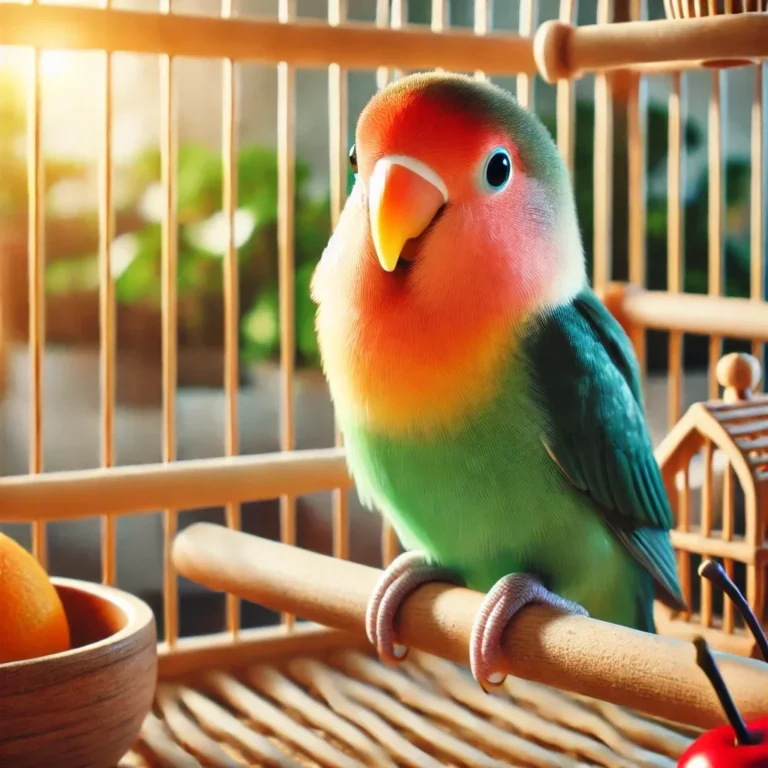
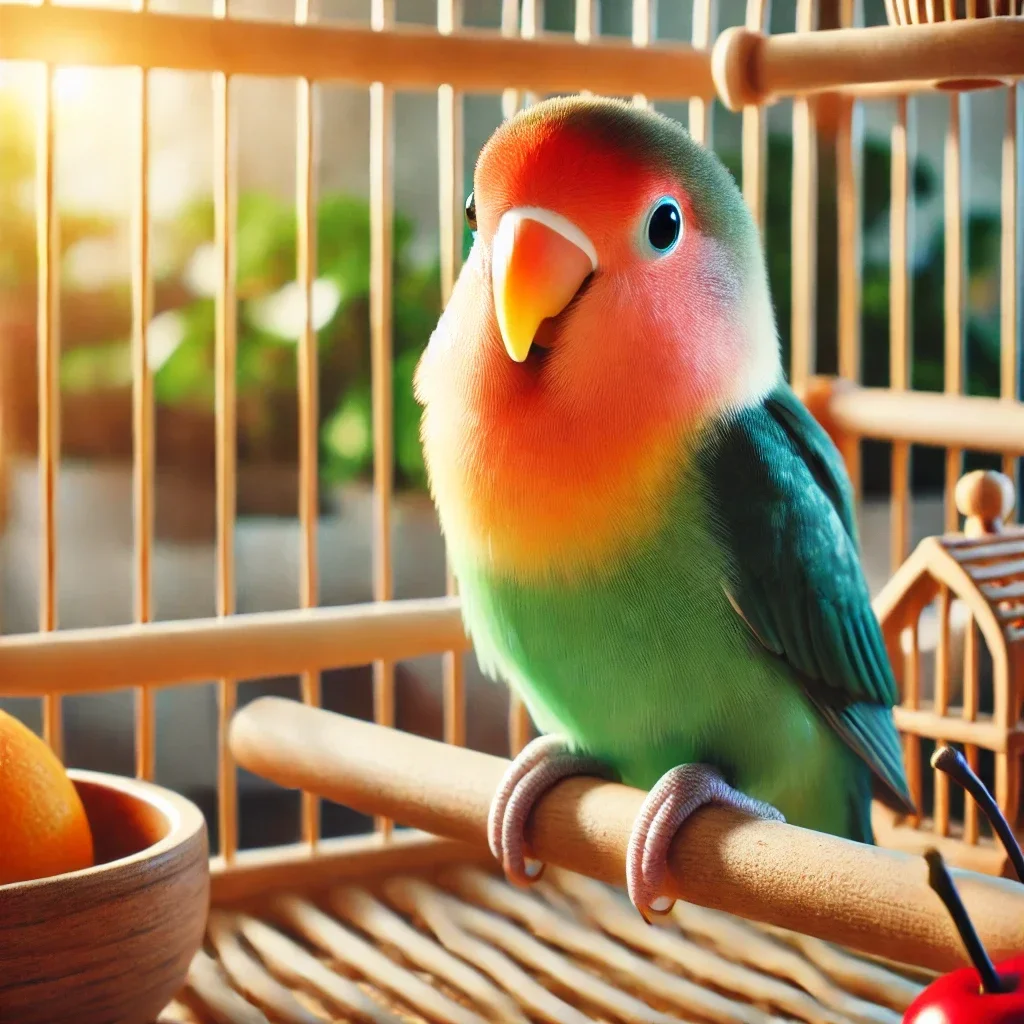
- Budgerigar (Budgie) – Budgies are small, social, and thrive on a seed‑based diet. They are known for their playful personalities and can be trained to perform simple tricks, making them engaging yet low‑effort pets. Budgerigar
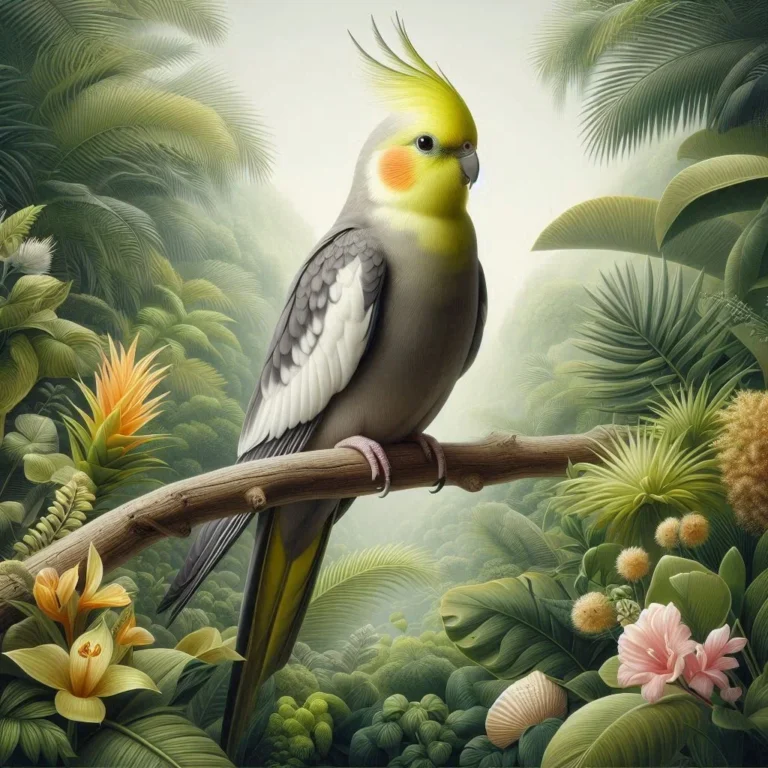
- Indian Ringneck Parakeet – These parrots are affectionate but not overly demanding. They enjoy interaction during short play sessions and can be left alone for several hours. Their diet can be supplemented with fresh greens and pellets. Indian Ringneck Parakeet
- African Grey Parrot (Junior) – While African Greys are intelligent, a smaller juvenile bird requires less time for training and socialization. They are quieter than larger parrots and can adapt to a routine of brief daily interaction. African Grey Parrot
- Canary – Canaries are independent, require minimal handling, and are primarily kept for their singing. They thrive on a seed mix and can be left alone for most of the day. Canary
- Finch (e.g., Zebra Finch) – Finches are social but can live in a group, reducing the need for constant human interaction. They are easy to feed and clean, making them ideal for owners with limited time. Zebra Finch
Care Tips for Busy Owners
Even low‑maintenance birds benefit from a structured routine. Implementing these simple practices can keep your feathered friend healthy and content while fitting into a busy lifestyle.
- Automated Feeding – Use timed feeders or portioned food containers to ensure consistent meals. This eliminates daily feeding trips and guarantees your bird receives the right amount of food.
- Scheduled Cleaning – Set a weekly cleaning schedule. A quick wipe‑down of the cage and a change of water each day keeps the environment hygienic without daily labor.
- Enrichment Rotation – Rotate toys and perches every few weeks to maintain interest. This can be done once a month, saving time while preventing boredom.
- Health Monitoring – Check for signs of illness during routine cage cleaning. Early detection of feather loss, changes in droppings, or unusual behavior can prevent costly vet visits.
- Social Interaction – Even low‑maintenance birds need brief socialization. A 10‑minute play session or a few minutes of talking each day can satisfy their social needs.
For more detailed health guidelines, consult reputable sources such as the Avian Health Foundation and the Cornell University College of Veterinary Medicine.
Choosing the Right Bird for Your Lifestyle
When selecting a bird, match its characteristics to your daily routine:
- Time Availability – If you work long hours, opt for species that are comfortable alone for extended periods, such as canaries or finches.
- Living Space – Smaller birds like budgies and finches require less cage space, making them suitable for apartments.
- Noise Tolerance – Budgies and canaries are generally quieter than larger parrots, which is ideal for shared living spaces.
- Allergy Considerations – If you or a family member has allergies, choose hypoallergenic species or ensure proper ventilation and cleaning.
Before making a decision, research each species’ lifespan, temperament, and care requirements. Reliable information can be found on AvianWeb and the Wildlife Conservation Society.
Conclusion: Embrace the Feathered Companion That Fits Your Life
Low‑maintenance pet birds offer a wonderful blend of companionship and convenience, making them perfect for busy owners who still desire the joy of a living, breathing pet. By choosing a species that aligns with your schedule, implementing simple care routines, and staying informed through trusted resources, you can enjoy a vibrant feathered friend without the overwhelm.
Ready to bring a low‑maintenance bird into your home? Explore reputable breeders, rescue organizations, and local avian clubs today to find the perfect match for your lifestyle.
Frequently Asked Questions
Q1. What makes a bird low-maintenance?
A low-maintenance bird typically has a moderate lifespan, minimal grooming needs, and a simple diet. They are often content with short periods of interaction and can thrive in smaller cages. Quiet temperaments and low noise levels also reduce the daily upkeep required. These traits make them ideal for owners with busy schedules.
Q2. Which species are best for busy owners?
Budgerigars, Indian Ringneck Parakeets, juvenile African Grey Parrots, canaries, and finches are popular choices. Each species offers a balance of companionship and ease of care. Budgies and canaries are especially quiet, while finches can be kept in groups to reduce human interaction. Indian Ringneck Parakeets provide affection without demanding constant attention.
Q3. How often should I feed a low-maintenance bird?
Most low-maintenance birds benefit from a daily feeding schedule, typically once in the morning and once in the evening. Automated feeders can dispense portions at set times, ensuring consistent nutrition. A balanced seed mix or commercial pellets is usually sufficient, with occasional fresh greens or fruit as treats.
Q4. Do low-maintenance birds need daily interaction?
While they can tolerate longer periods alone, brief daily interactions—such as a 10-minute play session or a few minutes of talking—help maintain their social well-being. This short engagement satisfies their need for companionship without requiring extensive time. Consistency is key, so try to keep the interaction at a regular time each day.
Q5. What are the common health issues to watch for?
Watch for feather loss, changes in droppings, or unusual behavior, as these can signal illness. Regular cage cleaning and monitoring for parasites like mites or lice are essential. Early detection of respiratory issues or infections can prevent costly vet visits. Keeping the environment clean and providing fresh water daily helps maintain overall health.