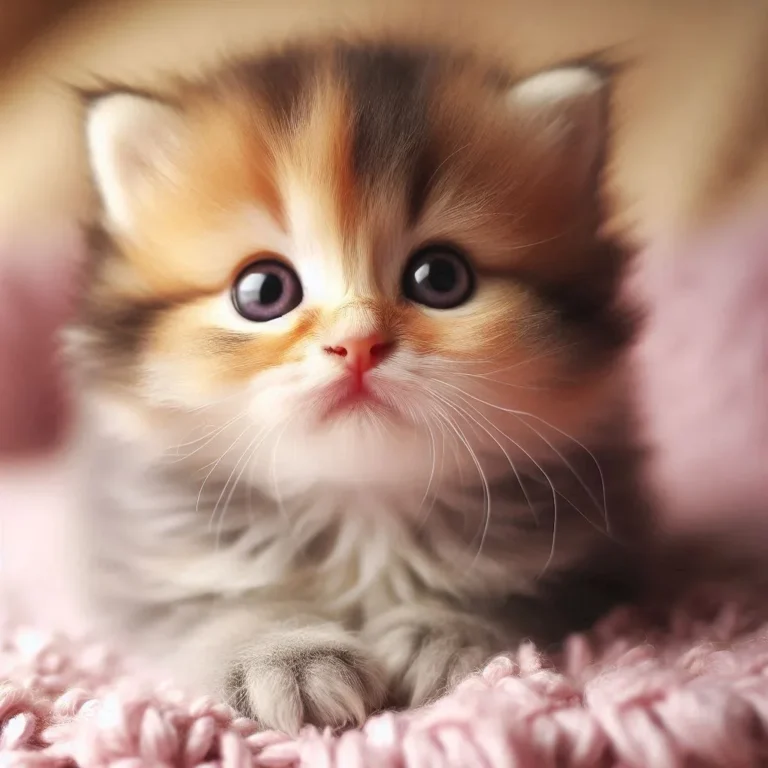
Cats Purr Scientific Insights
When a cat settles into your lap and begins to emit a gentle, rhythmic vibration, you might wonder why they do it. Cats purr for a variety of reasons, from contentment to healing. Understanding the science behind this behavior can deepen your bond with your feline friend and help you recognize when purring signals a need for attention or medical care. In this article, we explore the biological mechanisms, communicative functions, and health benefits of purring, drawing on recent research and expert insights.
Cats Purr: A Biological Overview
At its core, purring is a complex motor pattern produced by the cat’s laryngeal muscles. When a cat inhales and exhales, a rapid contraction of the cricothyroid muscle causes the vocal cords to vibrate at a frequency of 25–150 Hz. This vibration is transmitted through the cat’s body, creating the familiar sound and subtle tremor that many pet owners recognize. The neural circuitry that controls purring is linked to the brain’s reward centers, which explains why cats often purr when they feel safe and relaxed.
Research published in the Wikipedia entry on purring notes that the exact evolutionary advantage of this behavior remains debated. However, studies from the National Center for Biotechnology Information suggest that purring may have evolved as a self-soothing mechanism, similar to human infant crying, to reduce stress and promote healing.
Cats Purr: Communication Signals
While contentment is the most common trigger, cats use purring as a versatile communication tool. Here are the primary contexts in which cats purr:
- Affection and bonding: Mother cats purr to soothe their kittens, and kittens respond with matching purrs, reinforcing social bonds.
- Solicitation: Cats often purr when they want food, play, or attention, especially if accompanied by a gentle head bump.
- Self‑comfort: When injured or ill, cats may purr to calm themselves, a behavior observed in veterinary settings.
- Stress reduction: In unfamiliar environments, purring can signal to the cat that it is safe, helping to mitigate anxiety.
These communicative functions are supported by studies from the American Veterinary Medical Association, which highlight the role of purring in feline social dynamics. By paying attention to the context and accompanying body language, owners can interpret their cat’s purrs more accurately.
Cats Purr: Healing and Stress Relief
Beyond communication, purring has measurable physiological effects. The vibration frequency of 25–150 Hz has been shown to promote tissue regeneration, reduce inflammation, and accelerate bone healing. A 2013 study in the journal Scientific Reports demonstrated that exposure to purring frequencies increased collagen production in human fibroblast cultures, suggesting a potential therapeutic role for feline purrs in wound healing.
Additionally, purring can lower a cat’s heart rate and blood pressure, creating a calming effect that benefits both the animal and its human companions. This dual benefit explains why many pet owners find their cats’ purrs soothing during stressful moments, such as vet visits or thunderstorms.
Veterinarians often recommend encouraging purring by gently stroking the cat’s head or back, as this can reinforce the cat’s sense of safety and promote healing. For more detailed guidance, consult resources from the Cat Fanciers’ Association and the PetMD website.
Cats Purr: Misconceptions and Myths
Despite widespread fascination, several myths persist about why cats purr. One common misconception is that cats only purr when they are happy. In reality, cats also purr when they are in pain, frightened, or even during the birthing process. Another myth suggests that purring is a sign of weakness; however, the evidence indicates that purring is a sophisticated coping mechanism that can signal resilience.
Understanding the nuanced science behind purring helps debunk these myths. By recognizing that purring can serve multiple purposes—ranging from comfort to communication—owners can better respond to their cat’s needs and provide appropriate care.
Conclusion: Embrace the Science of Purring
In summary, Cats purr for a blend of biological, communicative, and healing reasons. From the rhythmic vibration of their laryngeal muscles to the soothing effects on both body and mind, purring is a multifaceted behavior that reflects the complexity of feline life. By observing your cat’s purrs in context, you can gain deeper insight into their emotional state and health.
Want to learn more about your cat’s purring habits and how to support their well‑being? Join our community of cat lovers and veterinary experts today—discover tips, share stories, and keep your feline friend thriving.
Frequently Asked Questions
Q1. What causes a cat to purr?
Cats purr when their laryngeal muscles contract rhythmically, producing vibrations at 25–150 Hz. This motor pattern is triggered by the brain’s reward centers when the cat feels safe or relaxed. It can also be a self‑soothing response during stress or discomfort.
Q2. Do cats purr when they are in pain?
Yes, many cats purr while injured or ill as a coping mechanism. The vibration can reduce pain and promote healing, similar to how humans use humming or breathing techniques. Owners should monitor other signs of distress to determine if medical attention is needed.
Q3. Can purring help with healing?
Research shows that 25–150 Hz vibrations stimulate collagen production and tissue regeneration. A 2013 Scientific Reports study found increased fibroblast activity in cultures exposed to purring frequencies. Veterinarians sometimes encourage purring during recovery to support wound healing.
Q4. How can I encourage my cat to purr?
Gently stroke the cat’s head or back, speak in a calm tone, and provide a safe environment. Positive reinforcement, such as treats or play, can also trigger purring when the cat feels secure. Avoid forcing contact if the cat seems uncomfortable.
Q5. Are there any risks associated with a cat’s purr?
Generally, purring is harmless and beneficial. However, excessive or continuous purring may indicate underlying health issues, so it’s wise to consult a vet if the behavior changes or is accompanied by other symptoms.