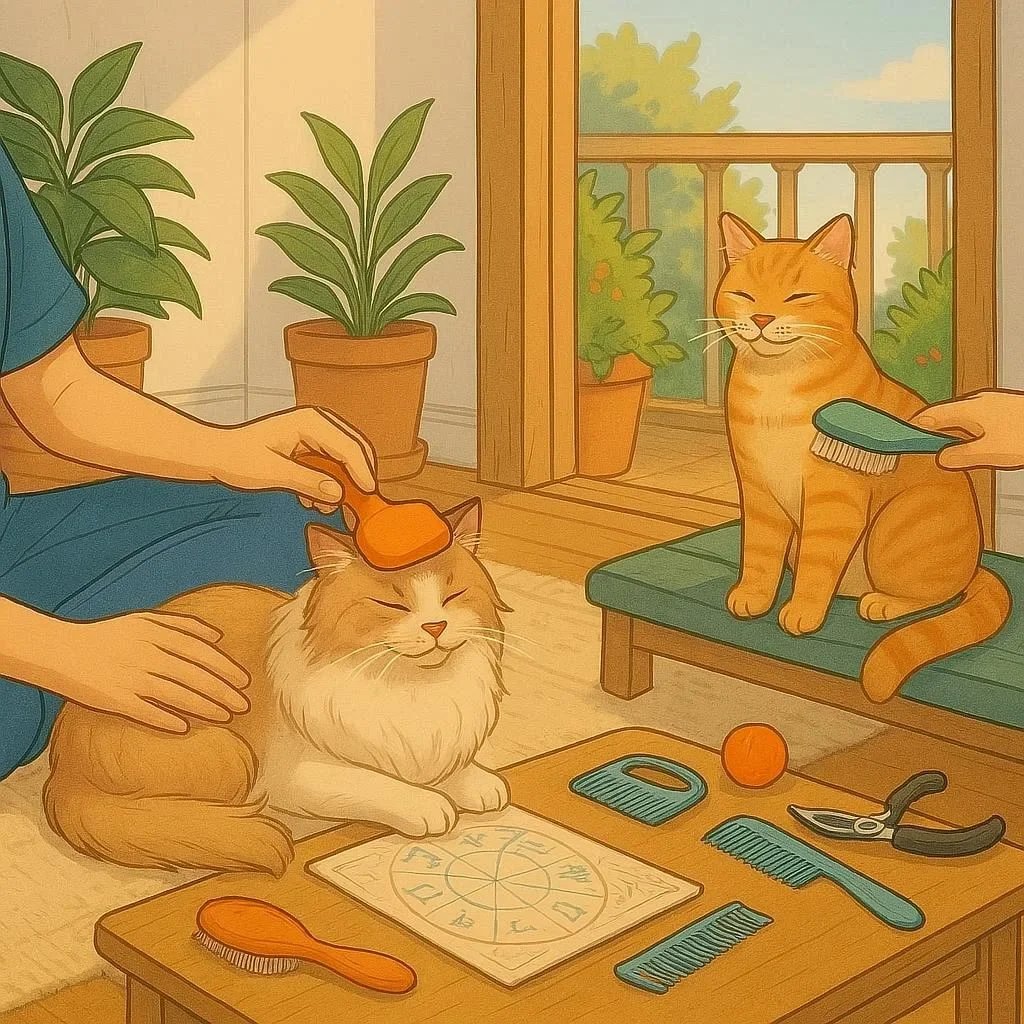
Safe Cat Grooming Guide
Cat grooming is essential for maintaining your feline’s health, comfort, and appearance. Whether you’re a first‑time owner or a seasoned cat parent, understanding how to brush, bathe, and trim your cat safely can prevent stress, skin irritation, and injury. This guide covers the best tools, techniques, and safety tips to keep your cat happy and healthy.
Why Regular Cat Grooming Matters
Regular cat grooming offers many benefits: it reduces shedding, prevents matting, removes loose hair that can cause hairballs, and allows you to spot skin problems early. According to the Mayo Clinic, early detection of skin issues can lead to quicker treatment and better outcomes. Grooming also strengthens the bond between you and your cat, as gentle handling becomes a routine source of comfort.
Choosing the Right Tools for Cat Brushing
Not all brushes are created equal. Selecting the appropriate brush depends on your cat’s coat type:
- Short‑haired cats benefit from a rubber or bristle brush that removes loose hair without irritating the skin.
- Long‑haired cats require a slicker brush or a comb with fine teeth to detangle mats.
- Cats with sensitive skin should use a soft, hypoallergenic brush to avoid irritation.
Always keep the brush clean; a dirty brush can spread bacteria and cause skin infections. Wash the brush with mild soap and warm water after each use, and let it dry completely before storing.
Step‑by‑Step Cat Brushing Routine
Follow these steps to make brushing a positive experience:
- Prepare the environment: Choose a quiet room with a non‑slip surface. Place a towel or a non‑slip mat to keep your cat from slipping.
- Start with a calm tone: Speak softly and move slowly to avoid startling your cat.
- Use gentle strokes: Brush in the direction of hair growth, especially for long‑haired cats. For short‑haired cats, a light back‑and‑forth motion works well.
- Check for mats and tangles: Gently tease out mats with your fingers before using a comb. Avoid pulling hard on mats; this can cause pain and skin damage.
- Reward your cat: Offer treats or a favorite toy after brushing to reinforce positive behavior.
Most cats tolerate brushing for 5–10 minutes. If your cat shows signs of discomfort—such as hissing, swatting, or trying to escape—stop and try again later.
Safe Cat Bathing: When and How
While many cats dislike water, occasional baths are necessary for certain breeds, medical conditions, or if your cat gets into something sticky. The American Association of Feline Practitioners recommends bathing only when absolutely needed, as frequent baths can strip natural oils from the skin.
Preparing for the Bath
1. Gather supplies: cat‑safe shampoo, a cup or sprayer, a towel, and a non‑slip mat.
2. Trim nails beforehand to reduce scratching during the bath.
3. Test the water temperature—it should be lukewarm, about 37°C (98.6°F).
Bathing Procedure
1. Wet the coat gently using a cup or sprayer, avoiding the face.
2. Apply shampoo and lather carefully, working from the neck to the tail.
3. Rinse thoroughly to remove all soap residue, as leftover shampoo can cause itching.
4. Dry with a towel and, if needed, a low‑heat hair dryer set on the lowest setting.
Always keep the cat’s ears dry and avoid getting water in the eyes. If your cat becomes agitated, finish the bath quickly and reward them afterward.
Trimming Your Cat’s Nails Safely
Overgrown nails can cause discomfort, scratching, and even injury. Use a pair of cat nail clippers or a guillotine‑style cutter designed for small animals. Never use human nail scissors, as they can crush the nail.
Trimming Steps
1. Hold the cat gently and expose the paw.
2. Identify the quick—the pink part inside the nail. Avoid cutting into it to prevent bleeding.
3. Trim a small amount at a time, especially if you’re new to trimming.
4. Reward the cat with a treat after each paw.
Regular trimming—every 4–6 weeks—keeps nails at a healthy length and reduces the risk of accidental scratches.
Safety Tips for All Grooming Activities
1. Use a non‑slip mat to prevent falls.
2. Keep grooming sessions short to avoid overstimulation.
3. Never force a cat into a position they resist; this can lead to injury.
4. Monitor for signs of stress—whining, hiding, or aggression may indicate discomfort.
5. Consult a veterinarian if you notice skin lesions, excessive shedding, or behavioral changes.
Conclusion: Keep Your Cat Healthy and Happy
Mastering the art of cat grooming—from brushing to bathing to trimming—ensures your feline companion remains healthy, comfortable, and stress‑free. By choosing the right tools, following safe techniques, and paying attention to your cat’s signals, you can transform grooming into a bonding experience rather than a chore.
Ready to start a grooming routine that your cat will love? Download our free Cat Grooming Checklist and schedule your next grooming session today!
For more expert advice, visit the Wikipedia page on cat grooming or consult your local veterinary clinic.
Frequently Asked Questions
Q1. How often should I brush my cat?
Brushing your cat regularly helps prevent matting and reduces shedding. Most short‑haired cats benefit from daily brushing, while long‑haired cats may need 2–3 times a week. If your cat has a thick coat, brushing 3–4 times a week is ideal. Consistency also strengthens the bond between you and your pet.
Q2. What type of brush is best for long‑haired cats?
Long‑haired cats need a slicker brush or a fine‑toothed comb to detangle mats without pulling. A rubber or bristle brush works well for short‑haired cats. Always choose a brush with soft bristles if your cat has sensitive skin. Clean the brush after each use to avoid bacterial buildup.
Q3. Can I bathe my cat at home, and when is it necessary?
Most cats dislike water, so bathing should be reserved for special cases like medical conditions or accidental soiling. Use a cat‑safe shampoo and lukewarm water. Keep the bath short, rinse thoroughly, and dry with a towel. If your cat becomes agitated, finish quickly and reward them afterward.
Q4. How do I trim my cat’s nails safely?
Use cat‑specific nail clippers and avoid human scissors. Hold the paw gently and locate the quick—the pink part inside the nail. Trim only the tip, never cutting into the quick to prevent bleeding. Reward the cat after each paw to reinforce positive behavior.
Q5. What signs indicate my cat is stressed during grooming?
Signs of stress include hissing, swatting, hiding, or attempting to escape. If your cat shows these behaviors, stop the session and try again later. Keep sessions short and use treats to create a positive association. If stress persists, consult a veterinarian.