Small Pets for Kids Guide
Choosing a small pet for kids can be a rewarding experience that teaches responsibility, empathy, and basic animal care. When you introduce a beginner‑friendly pet into a child’s life, you’re not just adding a companion—you’re creating a learning opportunity that can last a lifetime. In this guide, we’ll explore the best small pets for kids, share essential care tips, and provide practical advice to help parents and children thrive together.
Small Pets for Kids: Choosing the Right Companion
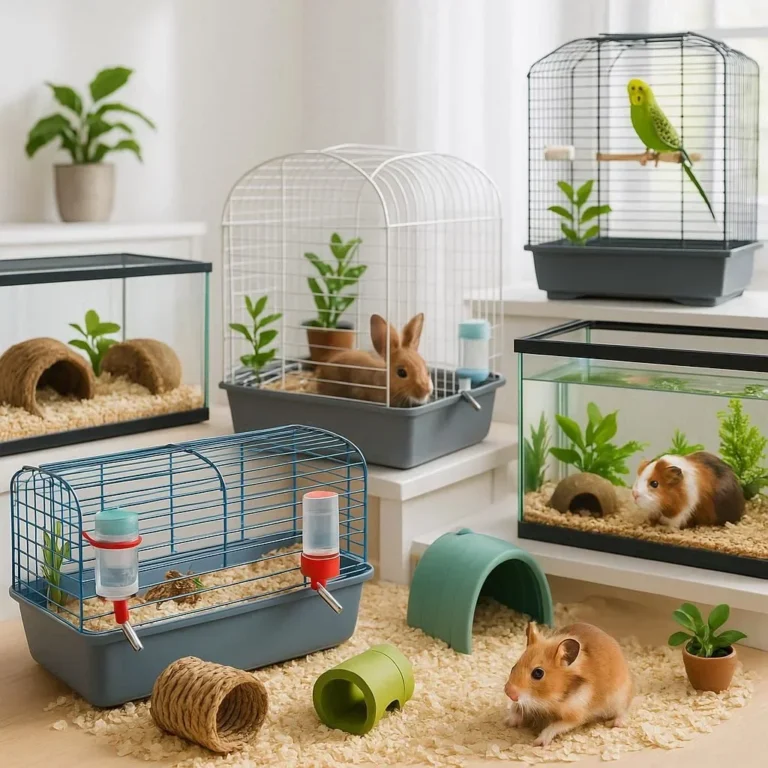
Before you pick a pet, consider the child’s age, the family’s lifestyle, and the amount of time you can dedicate to care. A small pet that is easy to handle and low‑maintenance is ideal for beginners. Common choices include hamsters, guinea pigs, fish, and rabbits. Each offers unique benefits and challenges, so let’s break them down.
Hamsters: Compact and Curious
Hamsters are popular for their small size and playful nature. They are solitary animals, which means they don’t require a companion, reducing the risk of fighting. A Syrian hamster, for instance, can live 2–3 years and thrives in a secure cage with a wheel, bedding, and a water bottle. They are nocturnal, so they’ll be most active during the evening, which can be a fun way for kids to observe natural behavior.
Guinea Pigs: Gentle and Social
Guinea pigs are social creatures that enjoy interaction with both humans and other guinea pigs. They have a lifespan of 4–5 years and require a spacious enclosure, fresh hay, and a balanced diet of pellets and vegetables. Their gentle temperament makes them excellent for younger children who can learn to handle them with care.
Fish: Low‑Maintenance and Colorful
Betta fish, goldfish, and community tanks offer a visually engaging experience with minimal handling. While fish don’t require daily interaction, they do need regular tank maintenance, such as water changes and monitoring temperature. A small betta tank can be a great introduction to aquatic ecosystems for kids who enjoy observing calm, graceful movements.
Rabbits: Playful and Affectionate
Rabbits can be affectionate and playful, but they also need a larger living space and regular grooming. A domestic rabbit can live 8–12 years if cared for properly. They thrive in a secure pen or a large cage and enjoy daily interaction, making them a rewarding choice for families willing to invest time in exercise and socialization.
Small Pets for Kids: Essential Care Tips
Regardless of the species, certain care principles apply to all small pets. Below is a concise checklist that parents can follow to ensure their child’s pet remains healthy and happy.
- Proper Housing: Choose a cage or enclosure that is spacious, well-ventilated, and easy to clean. For rodents, a minimum of 450 cm² per hamster and 1.5 m² per guinea pig is recommended.
- Dietary Needs: Provide species‑specific food. Hamsters eat a mix of seeds and pellets; guinea pigs need fresh hay and vitamin‑C rich vegetables; fish require a balanced fish food; rabbits need hay, fresh greens, and limited pellets.
- Water Quality: Fresh, clean water should be available at all times. Change water daily for fish and weekly for rodents.
- Hygiene: Clean the enclosure at least once a week to prevent odors and disease. Use pet‑safe cleaning solutions.
- Handling and Interaction: Teach children gentle handling techniques. For example, support the pet’s body and avoid sudden movements.
- Health Monitoring: Watch for signs of illness such as lethargy, loss of appetite, or abnormal droppings. Schedule regular vet check‑ups.
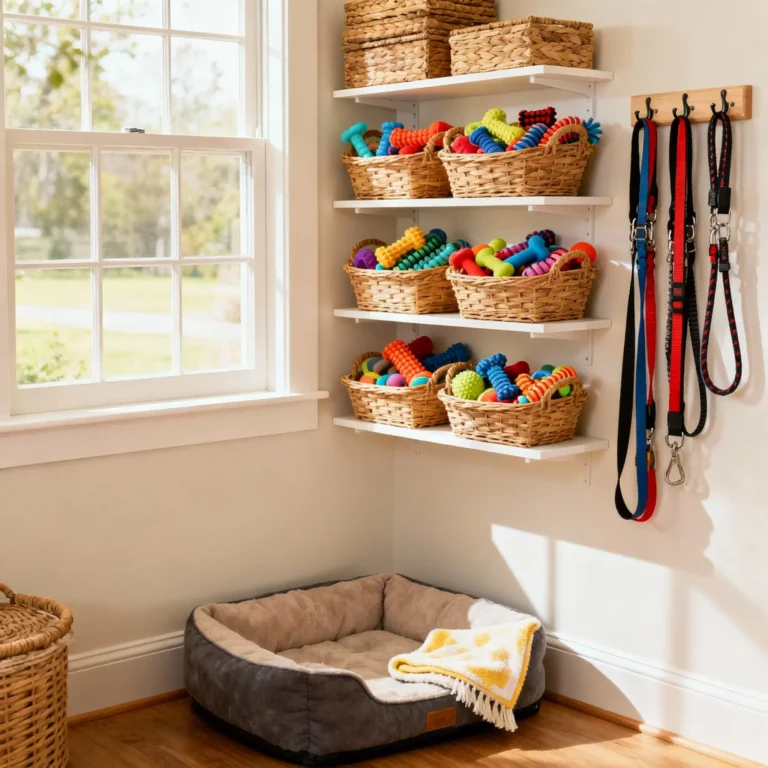
- Enrichment: Provide toys, tunnels, or chewable items to keep pets mentally stimulated.
Small Pets for Kids: Safety and Hygiene Practices
Safety is paramount when children interact with pets. Here are key practices to keep everyone safe:
- Wash Hands: Always wash hands before and after handling a pet to prevent the spread of bacteria.
- Supervise: Young children should never be left alone with a pet. Adult supervision ensures proper handling and reduces the risk of bites or scratches.
- Use Protective Gear: For fish tanks, use gloves when cleaning to avoid contact with chemicals.
- Educate on Boundaries: Teach kids to respect the pet’s space and recognize signs of stress or discomfort.
Small Pets for Kids: Encouraging Responsible Ownership
Introducing a pet is an excellent way to instill responsibility in children. Assign age‑appropriate chores such as feeding, cleaning, or setting up the habitat. This routine not only helps the pet thrive but also builds life skills like time management and empathy. Parents can use a simple chart to track daily tasks, turning pet care into a fun, interactive learning activity.
Small Pets for Kids: Resources and Further Reading
For more detailed information, consult reputable sources. Below are links to authoritative resources that provide in‑depth care guides and safety tips.
- Guinea Pig Care Guide
- Hamster Care by AVMA
- Fishkeeping.org – Comprehensive Fish Care
- American Rabbit Breeders Association
- CDC – Animal Safety and Health
Small Pets for Kids: Final Thoughts and Call to Action
Choosing a small pet for kids is more than a purchase—it’s a commitment to nurturing a living companion and fostering lifelong values. By selecting a beginner‑friendly pet, following essential care tips, and encouraging responsible ownership, families can create a harmonious environment where both child and pet thrive. Ready to welcome a Small Pet for Kids into your home? Start today by researching the options, preparing a suitable habitat, and sharing the adventure with your little one. Your journey to a happier, more compassionate family begins with a single, loving step.
Frequently Asked Questions
Q1. What age is best for a child to have a small pet?
Children as young as 4–6 years can start learning responsibility with a small pet, provided they have adult supervision. At this age, kids can understand basic care tasks like feeding and cleaning. Older children can take on more complex responsibilities such as monitoring health and managing enrichment. The key is matching the pet’s needs with the child’s maturity level.
Q2. Which small pet is easiest for beginners?
Hamsters and betta fish are often recommended for first‑time owners because they require minimal daily handling and have straightforward care routines. Guinea pigs are also beginner‑friendly if you can provide a spacious enclosure and regular interaction. Rabbits demand more time and space, so they’re best for families ready to invest in exercise and grooming.
Q3. How often should I clean a hamster cage?
Clean the hamster cage at least once a week, removing soiled bedding and replacing it with fresh material. Spot‑clean daily by removing droppings and food crumbs to keep the environment hygienic. A thorough cleaning helps prevent odors and reduces the risk of disease.
Q4. Can kids handle a rabbit?
Yes, but rabbits need more space and gentle handling. Children should learn to support the rabbit’s body and avoid sudden movements. Regular grooming and exercise are essential, so parents should ensure they can meet these needs.
Q5. What are common health signs to watch for in small pets?
Look for lethargy, loss of appetite, abnormal droppings, or changes in behavior. Skin issues, respiratory distress, or unusual noises can also signal health problems. If any of these signs appear, schedule a vet check‑up promptly.