Talking Birds Top Species
When you think of a bird that can mimic human speech, the image of a parrot perched on a shoulder often comes to mind. Yet the world of talking birds is far richer and more diverse than the common stereotypes suggest. From the sophisticated African Grey to the playful budgie, these feathered friends can learn to speak, sing, and even understand context. In this guide, we’ll explore the top bird species that can learn to talk, the science behind their vocal abilities, and practical tips for nurturing a talking companion.
Talking Birds: African Grey Parrot
The African Grey Parrot (Psittacus erithacus) is widely regarded as the gold standard for talking birds. Its vocal range, intelligence, and social nature make it a favorite among bird enthusiasts. Studies from the University of Oxford have shown that African Greys can use words in context, demonstrating a level of linguistic comprehension that rivals some primates. Their ability to mimic sounds with remarkable clarity is supported by a highly developed syrinx and a brain structure that mirrors human language centers.
- Average lifespan: 40–60 years
- Typical vocabulary: 200–500 words
- Best for: Experienced owners seeking a long‑term companion
Talking Birds: Amazon Parrot
Amazon parrots, especially the Yellow‑Headed Amazon (Amazona oratrix), are celebrated for their expressive voices and playful personalities. These birds can learn to speak in a wide range of tones, often using words in a way that reflects their mood. The Amazon’s vocal learning ability is linked to a complex neural network that allows for rapid acquisition of new sounds. Owners report that Amazon parrots can even use phrases like “good morning” or “I love you” with genuine affection.
Talking Birds: Budgerigar (Budgie)
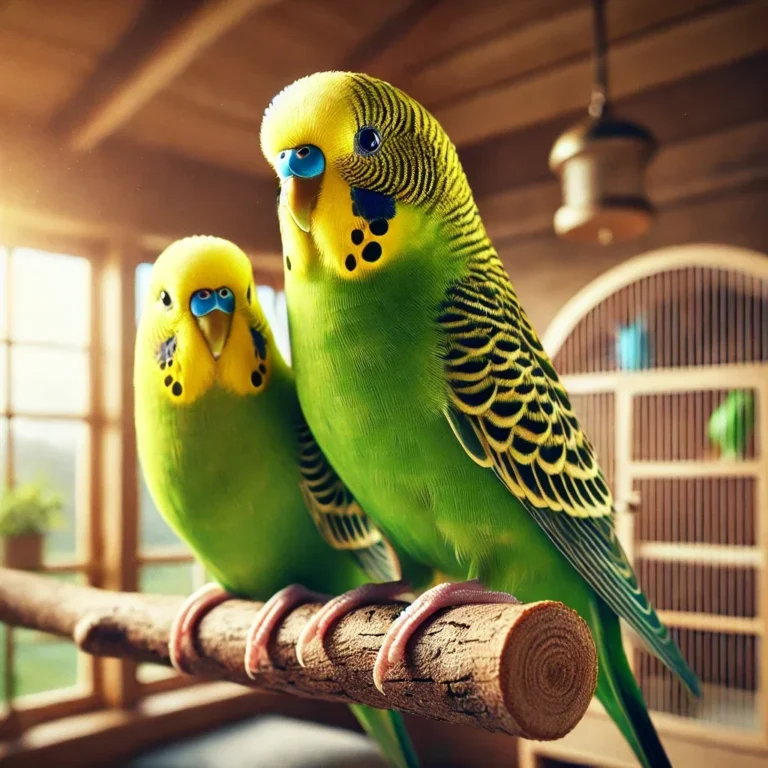
Budgerigars, or budgies, are small, energetic birds that can surprise you with their talking prowess. Despite their size, budgies have a surprisingly sophisticated vocal organ and can mimic human speech with impressive accuracy. Their short lifespan (5–8 years) makes them a popular choice for families and first‑time bird owners. Budgies thrive on social interaction and can develop a rich vocabulary when exposed to consistent training and positive reinforcement.
Talking Birds: Cockatiel
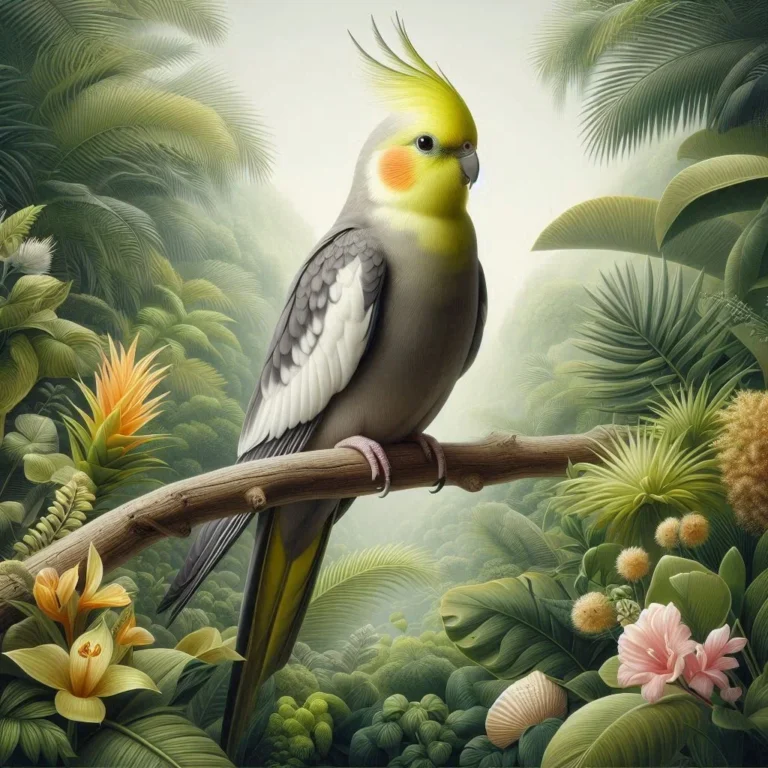
The Cockatiel (Nymphicus hollandicus) is another beloved talking bird known for its whistling and chirping. While not as prolific as the African Grey, cockatiels can learn to say a handful of words and phrases. Their friendly demeanor and adaptability make them ideal for households with children. Cockatiels also have a unique ability to mimic the pitch of human speech, adding a melodic quality to their chatter.
Talking Birds: Ecological and Ethical Considerations
Choosing a talking bird involves more than just the allure of a feathered chatterbox. Prospective owners should consider the bird’s natural habitat, social needs, and lifespan. For instance, African Greys require extensive mental stimulation and social interaction, while budgies can thrive in smaller spaces but still need daily engagement. Ethical sourcing is also crucial; reputable breeders and rescue organizations prioritize the welfare of these intelligent creatures.
Training Tips for Your Talking Bird
1. Consistency is Key: Use the same words and phrases repeatedly to reinforce learning.
2. Positive Reinforcement: Reward your bird with treats or affection when it mimics correctly.
3. Social Interaction: Spend at least 30 minutes daily talking to your bird to build a bond.
4. Environmental Enrichment: Provide toys, puzzles, and varied perches to keep your bird mentally stimulated.
Common Myths About Talking Birds
Many people believe that only parrots can talk. In reality, a range of species, including some cockatoos and even certain songbirds, can mimic human speech to varying degrees. Additionally, the idea that a bird’s vocabulary is fixed is misleading; with proper training, many birds can expand their lexicon throughout their lives.
Health and Care Essentials
Talking birds, like all pets, require a balanced diet, regular veterinary check‑ups, and a clean living environment. A diet rich in fresh fruits, vegetables, and high‑quality pellets supports vocal health. Regular dental checks are also important, as some species are prone to oral issues that can affect their ability to speak.
Conclusion: Embrace the Joy of Talking Birds
Whether you’re drawn to the eloquence of an African Grey or the playful chatter of a budgie, talking birds offer a unique blend of companionship and entertainment. By understanding their needs, investing time in training, and choosing a species that fits your lifestyle, you can enjoy a lifelong bond with a feathered friend who will keep you company for years to come.
Ready to bring home a talking bird? Explore reputable breeders, join bird‑owner communities, and start your journey today!
Learn more about these species:
Frequently Asked Questions
Q1. What makes a bird capable of talking?
Talking birds possess a highly developed syrinx, the vocal organ that allows them to produce a wide range of sounds. Their brains contain specialized neural circuits that enable vocal learning, similar to language centers in humans. This combination of anatomy and neurobiology allows species like parrots to mimic human speech with remarkable accuracy.
Q2. Which species are best for beginners?
Budgerigars (budgies) and cockatiels are popular choices for first‑time owners because they are small, relatively inexpensive, and quick to learn basic words. They thrive on social interaction and can develop a pleasant vocabulary with consistent training and positive reinforcement.
Q3. How long does it take for a bird to learn to talk?
The learning timeline varies by species and individual. Some budgies may start repeating simple words within a few weeks, while larger parrots like African Greys can take several months to a year to build a substantial vocabulary. Patience, repetition, and daily interaction are key to accelerating the process.
Q4. Can talking birds understand context?
Research shows that certain species, especially African Greys, can use words in context and even demonstrate basic problem‑solving skills. While they may not possess full linguistic comprehension, they can associate specific words with actions, objects, or emotions, giving the impression of understanding.
Q5. What are the ethical considerations when choosing a talking bird?
Prospective owners should prioritize ethical sourcing by selecting reputable breeders or rescue organizations that prioritize welfare. Consider the bird’s natural habitat, social needs, and lifespan to ensure you can provide adequate mental stimulation, companionship, and a suitable environment.