Pet Birds Care Feeding Health
Pet Birds are vibrant companions that bring joy and color to any home. Caring for them requires a blend of knowledge, dedication, and a love for avian life. In this guide, we’ll walk you through the essential aspects of pet bird care, from feeding and cage setup to health monitoring and enrichment. By following these evidence‑based practices, you’ll help your feathered friend thrive and enjoy a long, healthy life.
Choosing the Right Cage
One of the first decisions you’ll make as a pet bird owner is selecting a cage that supports your bird’s physical and psychological well-being. A well‑designed cage should provide ample space, safety, and opportunities for natural behaviors.
- Size Matters: A general rule is to allow at least 2–3 square feet of floor space per bird. For example, a single cockatiel needs a cage that is at least 18 inches wide, 18 inches deep, and 24 inches tall. Larger species, such as African greys, require cages that are at least 36 inches wide, 36 inches deep, and 48 inches tall.
- Bar Spacing: Narrow bars (1.5–2 inches apart) prevent escape and reduce injury risk. Avoid cages with bars spaced wider than 2 inches for small birds.
- Material: Wire cages are common, but ensure they are made of non‑rusting metal. Avoid cages with plastic or metal that can leach harmful chemicals.
- Perches: Provide multiple perches of varying diameters (1/4 to 1/2 inch) to promote foot health and natural climbing.
- Safety Features: Secure locks, smooth edges, and a stable base prevent accidents.
For more detailed cage recommendations, consult the American Veterinary Medical Association guidelines on avian housing.
Balanced Diet for Pet Birds
Nutrition is the cornerstone of bird health. A balanced diet supports feather quality, immune function, and overall vitality. While commercial pellets are convenient, they should be complemented with fresh foods.
Pellets: Choose species‑appropriate pellets that contain a mix of seeds, grains, and fortified vitamins. For instance, finch pellets are formulated for small seed‑eaters, whereas parrot pellets cater to larger, omnivorous species.
Fresh Fruits and Vegetables: Offer a variety of colorful produce daily. Good options include leafy greens (kale, spinach), cruciferous vegetables (broccoli, cauliflower), and fruits (apples, berries, mango). Avoid avocado, chocolate, and caffeine‑containing foods.
Protein Sources: Hard‑boiled eggs, cooked beans, and mealworms provide essential proteins, especially for breeding birds.
To learn more about avian nutrition, visit the World Health Organization page on animal diets and the University of Washington’s Avian Nutrition Guide.
Daily Enrichment and Exercise
Birds are naturally curious and active. Enrichment stimulates mental health and prevents boredom‑related behaviors such as feather plucking or excessive vocalization.
Foraging Toys: Hide treats in puzzle feeders to encourage natural foraging instincts.
Social Interaction: Spend at least 15–20 minutes daily interacting with your bird. Talk, sing, or simply sit nearby to build trust.
Outdoor Time: When safe, allow supervised outdoor sessions in a secure, screened area. This exposes birds to fresh air and varied stimuli.
For enrichment ideas, the Humane Society offers a comprehensive list of bird enrichment activities.
Health Monitoring and Veterinary Care
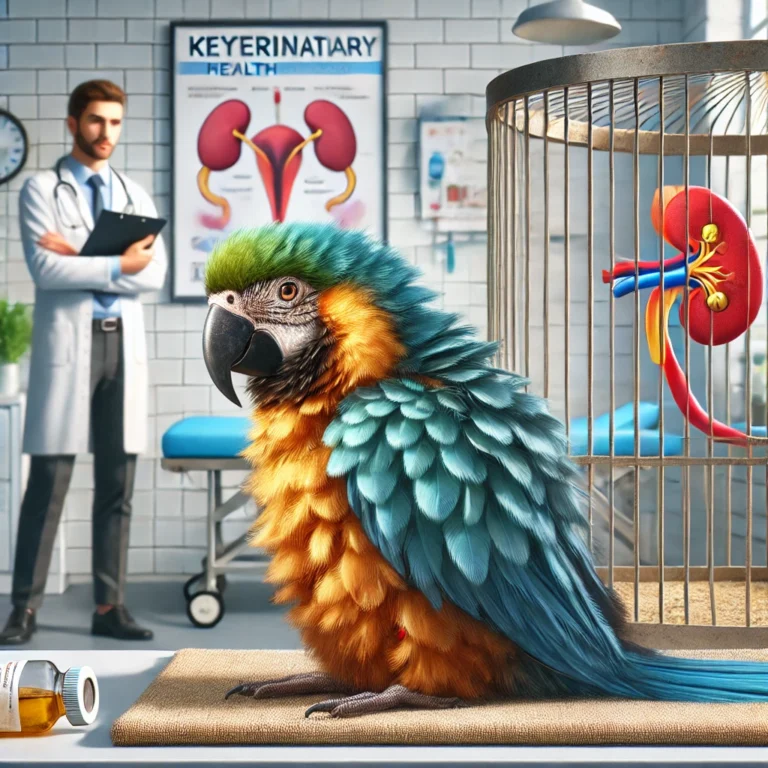
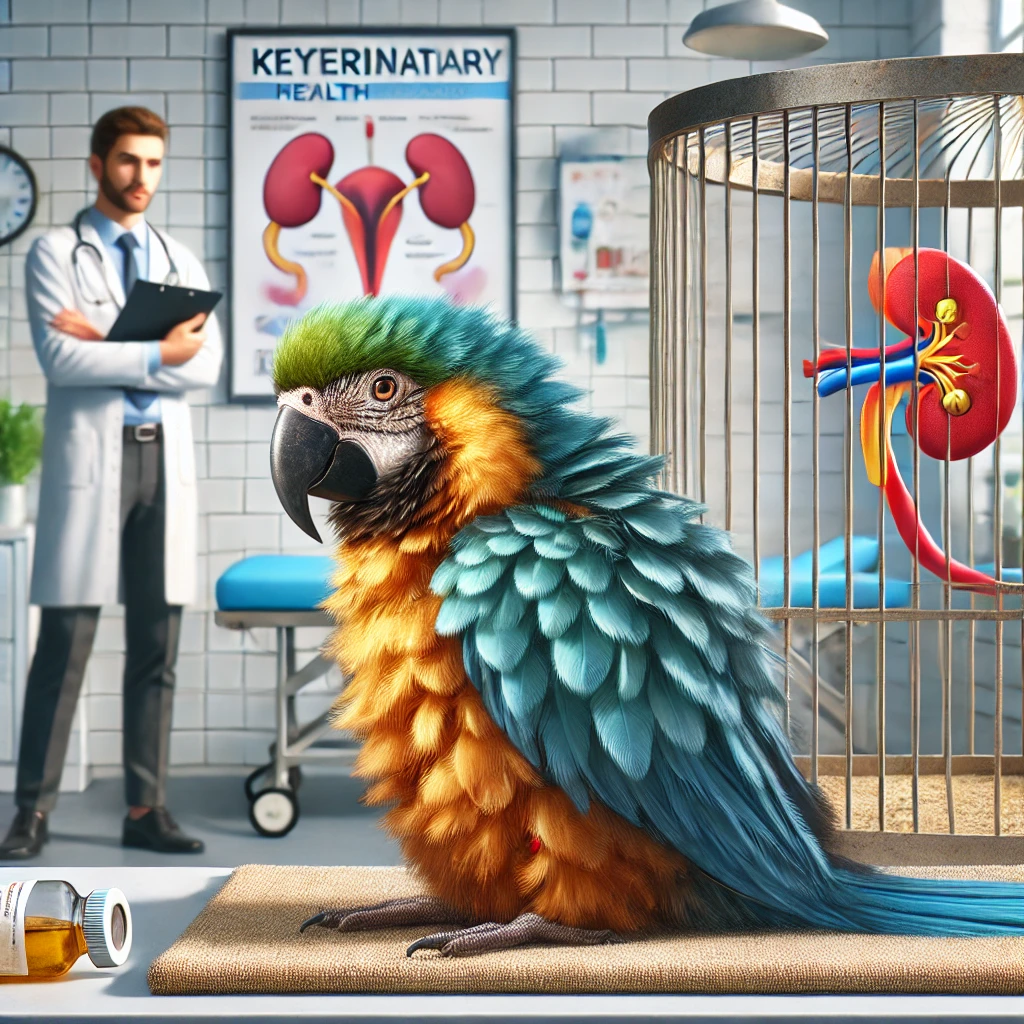
Regular health checks are vital. Look for signs of illness such as changes in appetite, droppings, feather condition, or behavior. Early detection can prevent serious complications.
Routine Vet Visits: Schedule annual check‑ups with an avian veterinarian. They can perform blood tests, dental exams, and vaccinations tailored to your bird’s species.
Vaccinations: Common avian vaccines include Newcastle disease and psittacosis. Discuss a vaccination schedule with your vet.
Parasite Control: Inspect for mites, lice, or feather parasites. Use vet‑recommended treatments if needed.
For detailed veterinary resources, refer to the AVMA Avian Health Resources and the National Association of Avian Veterinarians.
Conclusion
Providing thoughtful care for pet birds—through proper cage selection, balanced nutrition, engaging enrichment, and vigilant health monitoring—ensures a happy, healthy companion. By following these guidelines, you’ll foster a thriving environment that supports your bird’s natural behaviors and overall well‑being.
Ready to elevate your bird care routine? Explore our curated list of premium bird supplies and schedule a consultation with an avian specialist today!
Frequently Asked Questions
Q1. What is the minimum cage size for a pet bird?
The minimum cage size depends on species. A general rule is 2–3 square feet per bird. For a single cockatiel, a cage of at least 18×18×24 inches is recommended. Larger birds like African greys need at least 36×36×48 inches. Always allow extra space for climbing and flight.
Q2. How often should I feed my pet bird?
Feeding frequency varies by species. Most pet birds benefit from two meals a day, one in the morning and one in the evening. Provide fresh water daily and replace it at least twice a week. For breeding birds, you may need to add protein‑rich foods more frequently. Monitor your bird’s appetite and adjust portions accordingly.
Q3. What foods should I avoid giving my bird?
Avoid foods that are toxic to birds. Avocado, chocolate, caffeine, and alcohol should never be offered. Also, limit high‑fat foods like nuts and seeds to prevent obesity. Salt and sugary treats can cause health issues. Stick to fresh fruits, vegetables, and balanced pellets.
Q4. How can I prevent feather plucking?
Feather plucking often signals stress or boredom. Provide daily enrichment such as puzzle toys and foraging opportunities. Ensure your bird has enough social interaction and a varied diet. Regular exercise and a spacious cage also help. If plucking persists, consult a vet for possible medical causes.
Q5. When should I take my bird to the vet?
Annual check‑ups are essential, but you should visit sooner if you notice changes in appetite, droppings, or behavior. Early detection of parasites or infections can prevent serious illness. Vaccinations like Newcastle disease are typically given in the first year. Keep a health log and bring it to the vet. Regular vet visits help maintain long‑term health.