Essential Persian Cat Care
Persian cats captivate owners with their luxurious coats and gentle personalities, but these regal felines require specialized care distinct from other breeds. Their striking flat faces and long fur present unique challenges that demand attentive daily routines. Veterinary dermatologists emphasize that Persian coats are significantly denser than average domestic cats – a single square inch contains up to three times more hair follicles according to feline anatomy studies. This characteristic, coupled with their brachycephalic facial structure, creates specific needs for grooming, environmental management, and health monitoring that responsible owners must understand thoroughly.
Persian Cat Coat Maintenance Strategies
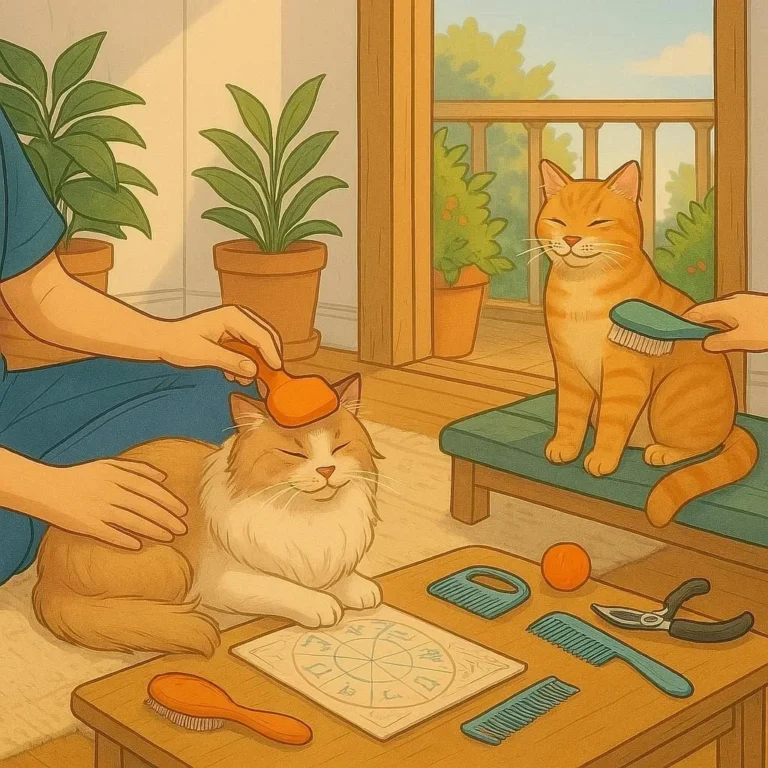
Daily grooming isn’t merely cosmetic; it’s essential health protection for Persian cats. Their dense fur mats easily, leading to painful skin conditions without proper upkeep. Professional groomers recommend a three-step process: metal combing to detangle, slicker brushing to remove loose hair, and specialized facial wiping for tear stains. The ASPCA advises focusing on common matting zones like armpits and behind ears during daily grooming sessions. Keep grooming supplies within easy reach and limit sessions to 10-15 minutes to prevent stress. Deshedding tools outperform standard brushes, while silicone grooming wipes effectively remove eye residue without irritating sensitive eyes.
Persian Cat Respiratory Wellness
Brachycephalic syndrome significantly impacts Persian cats’ breathing efficiency due to shortened nasal passages and elongated soft palates. Watch for concerning signs like chronic snoring, exercise intolerance, or open-mouth breathing. Environmental modifications drastically improve respiratory comfort: use dust-free cat litter, maintain humidity at 40-50%, and avoid aerosol sprays near your Persian. Provide elevated wide-rimmed water bowls to reduce gag reflex triggers. Annual vet exams should include airway assessments, while seasonal allergy management prevents exacerbating symptoms.
Nutritional Requirements For Persians
Persian cats benefit from breed-specific formulas addressing their quiet lifestyles and predisposition to weight gain. Veterinary nutritionists advocate for hairball-control diets containing enhanced fiber blends that aid digestion. Measure portions with precision scales since excess calories quickly lead to obesity. Wet food diets boost hydration crucial for urinary health using moisture-rich formulas. Consider these essential dietary components:
- High-quality animal proteins: Support lean muscle maintenance in adult Persians with formulas containing 30-40% protein
- Omega fatty acids: Required for skin health and coat luster with optimal EPA/DHA ratios
- Digestive enzymes: Specialized blends for sensitive Persian stomachs avoid unpleasant digestive issues
- Controlled phosphorus: Supports renal health given Persian’s predisposition to kidney concerns
Persian-Specific Health Management
Polycystic kidney disease (PKD) impacts 38% of traditional Persian lines according to genetic research. Responsible breeders screen breeding pairs at veterinary colleges using DNA testing protocols, enabling early diagnosis before symptoms emerge. Eye conditions require equal diligence: progressive retinal atrophy and cherry eye necessitate biannual ophthalmologist visits. Tropical Carol Johnson at Tufts Feline Research advises: “Suspect ear infections immediately if scratching persists, as Persians’ narrow ear canals trap debris.”
Environment Optimization Techniques
Create stress-free zones using Persian-specific considerations. Low-sided litter boxes accommodate limited joint mobility in seniors, while placing them away from food areas respects cats’ natural instincts. Avoid overwhelming Persians with loud noises and provide discrete retreats for solitude. Install window perches safely secured and padded: Persians prefer watching bird activity from calm vantage points versus interactive play. Avoid air fresheners containing phenol compounds which trigger respiratory distress in flat-faced breeds.
Long-Term Persian Wellness Planning
Implementing tailored care protocols ensures your Persian cat thrives throughout life stages. Prioritize semi-annual vet visits instead of annual checkups for early problem detection. Maintain detailed health logs tracking grooming frequency, appetite changes, and respiratory signs. Consider pet insurance policies specifically designed for purebred cats before hereditary issues manifest. Above all, cultivate patience: Persian cats bond deeply with owners who respect their quiet dignity and consistently gentle demeanor.
Your Persian cat deserves dedicated care reflecting their extraordinary nature. Implement these specialized grooming, dietary, and environmental strategies starting today to ensure your feline companion enjoys maximum wellness and longevity. Remember that conscientious Persian care creates irreplaceable bonds with these magnificent creatures – schedule your next veterinary consultation immediately to tailor these guidelines to your cat’s unique needs.