Bonding With Shy Rescued Birds
Bringing a shy or rescued bird into your home is a rewarding yet delicate journey. The immediate excitement of a new feathered friend can quickly turn into frustration if the bird remains secretive or fearful. Understanding the unique temperament of these birds and applying tailored bonding techniques ensures a healthy, trusting relationship forms over time. In this guide we’ll walk through evidence‑based strategies, essential environmental tweaks, and key communication practices that help you foster a secure, affectionate bond with your new companion.
Bonding With a Shy or Rescued Bird: Setting Up a Safe, Predictable Environment
One of the foundational steps to bonding with a shy or rescued bird is to minimize external stressors in its immediate surroundings. Research from the American University College of Veterinary Medicine indicates that animals with traumatic experiences often have heightened startle responses. When a new bird enters a calm cage, a quiet living room, and a predictable feeding schedule, these stress cues diminish, allowing the bird to explore with confidence.
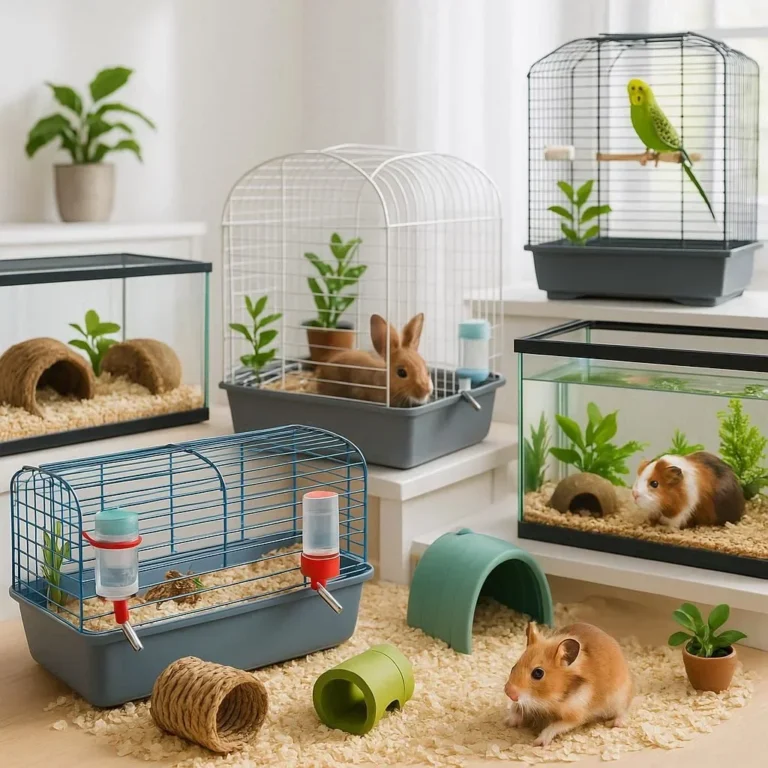
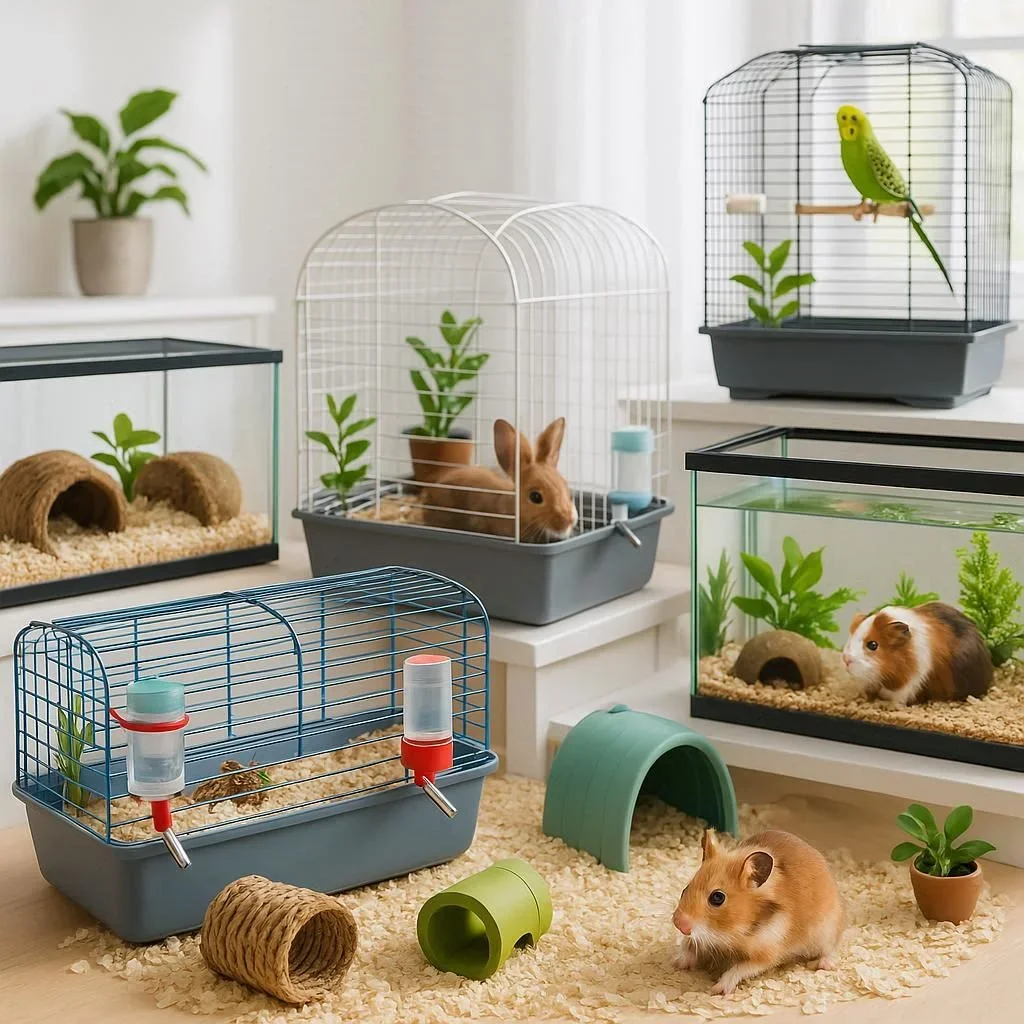
Begin by creating a small, enclosed space: a roomy plastic transport crate or a secure aviary works best. Ensure the enclosure has perches at multiple heights and a shallow water dish to promote healthy habits. Place the bird’s food—usually a blend of seed mix, fresh greens, and a protein source like boiled eggs—and offer a small, easily accessible water bottle. Keep the environment steady, avoiding sudden noises, bright lights, or moving pets near the cage for at least the first week.
Adjusting the physical setting is only step one. Consistency in lighting, temperature, and routine can help the bird feel more secure. For instance, keep the cage’s lights on for 12–14 hours a day to mimic a natural day/night cycle. Use a timer to avoid abrupt changes that might unsettle the bird. Even the placement of the cage matters; placing it in a quiet corner yet within the general flow of household activity encourages the bird to observe without feeling trapped.
Bonding With a Shy or Rescued Bird: Respecting the Bird’s Communication Signals
Shy or rescued birds often use subtle vocal and body clues to signal their mood. A research article in the Journal of Avian Medicine and Surgery outlines that a bird’s relaxed posture—plumed feathers, slowly twitching tail, and calm eye movements—generally signals comfort. Conversely, quick wing flaps, a stiff posture, or staccato high‑pitched chirps may signal anxiety or overstimulation. Recognizing and honoring these signals, rather than forcing interaction, is crucial for progress.
When approaching the bird, sit at eye level and keep your movements slow. Offer a familiar item, such as a small, hand‑held toy or a towel you’ve already scented with your own scent. Let the bird investigate at its own pace; if it steps into your open palm or onto your hand, allow it to remain there, but never force it into a cage or harness if it shows signs of discomfort. Over time, consistent, gentle attention builds trust and decreases avoidance behaviors.
Another useful technique is “feeding in your presence.” Place the bird’s food in a dish at a comfortable distance and allow it to approach. The bird can see that a human nearby means good food and not danger. Repeating this with short, non‑intrusive interactions teaches the bird that you are a source of safe resources.
Bonding With a Shy or Rescued Bird: Building Positive Reinforcement Habits
Positive reinforcement is a cornerstone of behavior training for all pets, and it’s especially effective for shy birds. Offer a small treat—such as a pea or a piece of fruit—each time the bird exhibits a desired behavior, like stepping onto your hand or perching near you. The CDC’s Animal Health website recommends using food rewards that are both high in protein and low in sodium to maintain nutrition and safety.
Create a short training routine of 5–10 minutes per day, gradually increasing the session length as the bird’s comfort grows. Use calm, consistent words like “good bird” or “nice” in a steady tone. The repetition helps your bird associate vocal cues with positive outcomes. Avoid shouting or reacting to frantic vocalizations; instead, pause the interaction and resume after the bird calms down.
Maintain vigilance for “learned helplessness,” a condition where a bird appears passive to the point of not even attempting to explore. This can occur when a bird is overstimulated or not receiving enough positive feedback. To counter this, keep your attempts consistent but calm, and reward even minimal progress. Over weeks, the bird often transitions from avoidance to active participation.
Bonding With a Shy or Rescued Bird: Incorporating Routine Socialization Visits
Socialization should be gradual and non‑pressured. A stepwise approach involves three phases: Observation, Interaction, and Mutual Trust. In the Observation phase, simply sit nearby for extended periods, allowing the bird to get used to your presence without direct contact. In the Interaction phase, you may encourage the bird to step onto a low perch and offer a treat. In the Mutual Trust phase, the bird might willingly step onto your hand or follow you to an open area.
- Phase 1: Observation – Spend 10–15 minutes a day near the cage, speaking softly and avoiding direct eye contact.
- Phase 2: Interaction – Offer treats on a small dish placed in front of the cage, then gradually allow your hand to approach the cage door.
- Phase 3: Mutual Trust – Let the bird step onto your open hand or onto a small, stable perch beside the cage.
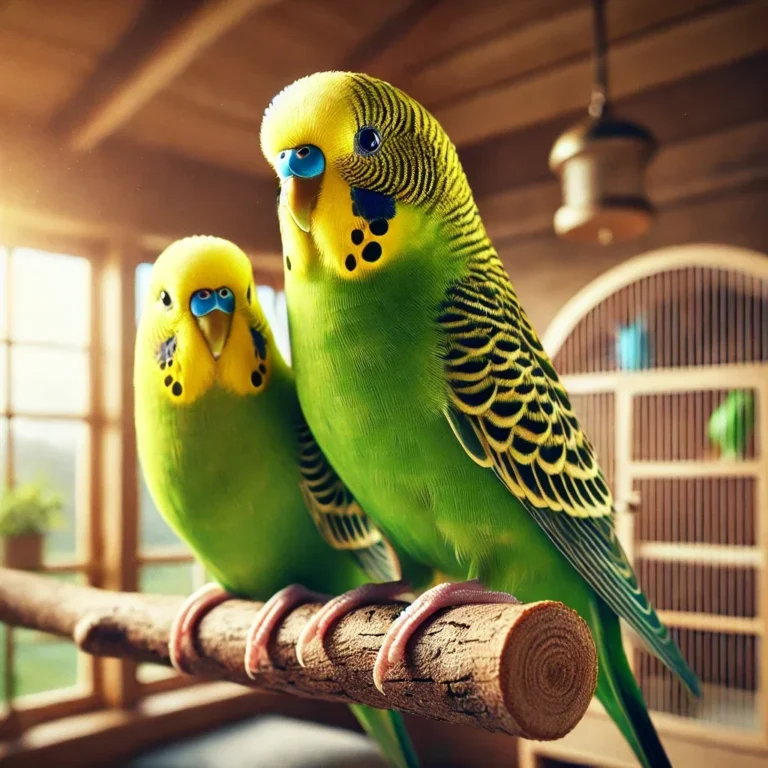
Throughout each phase, monitor the bird’s body language. A bird that remains feather plumed and has a relaxed gaze typically indicates trust. If the bird becomes anxious, retreat to a calmer state and pause the process. Consistency and patience are key; most shy birds require weeks or months to feel fully at ease.
Bonding With a Shy or Rescued Bird: Tips for Maintaining Long‑Term Relationships
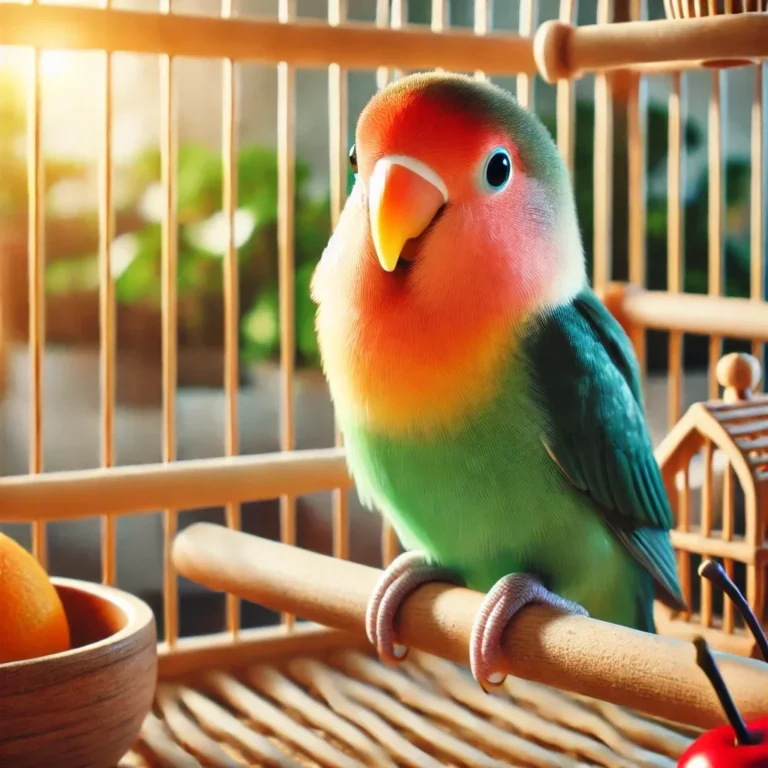
Once an initial bond forms, maintaining it is equally essential. Keep your bird’s environment enriched with perches of varying textures, rotating toys, and natural branches. A study published in the Journal of Animal Welfare emphasizes that environmental enrichment reduces chronic stress and improves overall behavior in captive birds.
Schedule daily interaction times—ideally 15–20 minutes—in a quiet part of the house. This regularity signals to your bird that you’re a constant, reliable presence. You can also use light music or natural sounds from a bird audio playlist to provide auditory comfort.
Finally, staying informed about your bird’s species-specific needs is essential. Different species have distinct diet, social, and space requirements. Whether you own a budgie, cockatiel, or a psittacine, tailored care ensures both physical health and emotional well‑being. Resources like the American Avians Society offer in-depth guides on species care.
Bonding With a Shy or Rescued Bird may demand patience, consistency, and a deep understanding of avian communication. By establishing a secure environment, respecting the bird’s signals, reinforcing positive actions, and gradually increasing social exposure, you can transform initial hesitation into genuine affection. Keep your daily routine steady, maintain open avenues of communication, and watch as your feathered friend blossoms into a confident, trusted companion. Take the next step now—implement these bonding strategies and bring joy and trust into your rescued bird’s life today!
Frequently Asked Questions
Q1. How long does it usually take to bond with a shy or rescued bird?
Bonding timelines vary depending on species, previous trauma, and the bird’s temperament. Generally, it can take anywhere from a few weeks to several months of consistent, calm interaction before a shy bird feels fully comfortable.
Q2. Should I use a cage or a larger aviary for a rescue bird?
A small, secure cage works best for the initial bonding phase. Once trust has formed, you can transition to a larger aviary to provide more space for exploration and exercise.
Q3. Can I use a leash or harness to walk a rescue bird outside?
Leashes or harnesses can be introduced once the bird has shown trust and is comfortable with close contact. Always supervise outdoor walks to prevent predators or hazards.
Q4. What foods should I avoid feeding a rescued bird?
Avoid foods with high salt, sugar, or artificial additives. Stick to fresh greens, species‑appropriate seeds, and occasional protein sources like boiled eggs or lean meats.
Q5. How can I tell if my bird is still anxious after bonding?
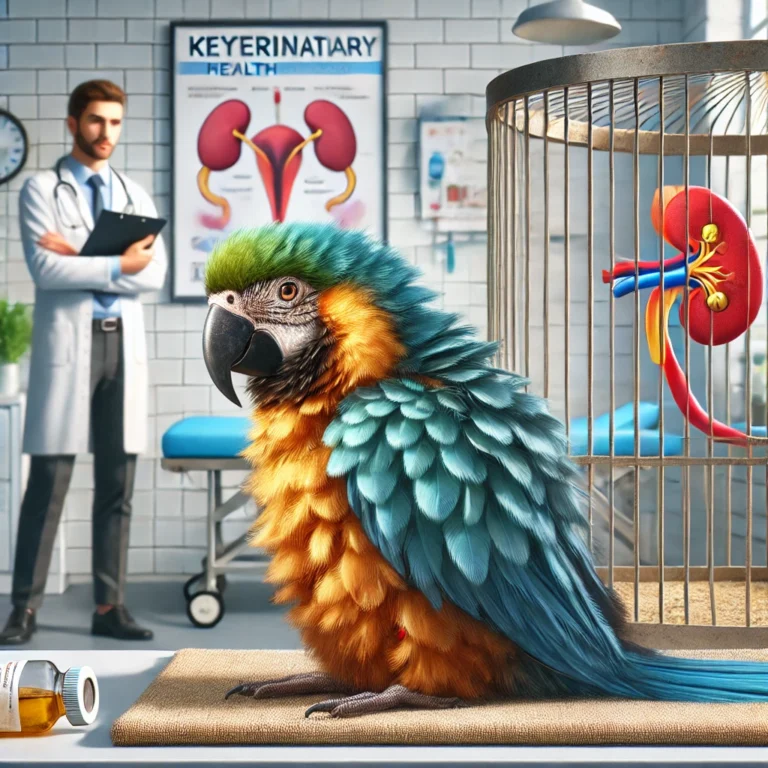
Signs of lingering anxiety include feather plucking, constant vocalization, or abrupt startle responses. If you notice these behaviors, consider consulting an avian veterinarian or behavior specialist.