Bird Diseases Prevention
Birds are delicate companions whose well‑being hinges on attentive care and a clear understanding of bird diseases. Whether you keep backyard finches or an aviary of exotic species, early recognition and proactive measures can make the difference between a healthy life span and chronic illness. This guide outlines the most frequent avian ailments, diagnostic cues, and the best hygiene and vaccination practices to protect your feathered friends.
Recognizing Early Signs
Most bird owners notice subtle changes before a disease escalates. Look for irregular breathing, dull feathers, or unusual droppings. A sudden decline in appetite or inactivity is often the first red flag in bird diseases such as parasitic infections or respiratory illness. Regular visual inspections of the beak, eyes, and plumage help spot lesions, parasites, or discoloration early on. Consistent observation is the cornerstone of preventive care, allowing you to catch problems before they spread within a flock.
Common Avian Illnesses
A variety of pathogens threaten birds across species. Below are key diseases and their hallmark symptoms:
- Avian Influenza – sudden death or severe respiratory distress; see CDC Avian Influenza Page
- Newcastle Disease – tremors, difficulty walking, and swelling of the beak; consult Avian Veterinary Health
- Psittacosis (Parrot Fever) – coughing, sneezing, and conjunctivitis; prevention details at USDA Animal Health Service
- Parasites – feather picking, bald patches, and weight loss; treat with recommended dewormers from Avian Pharmacy
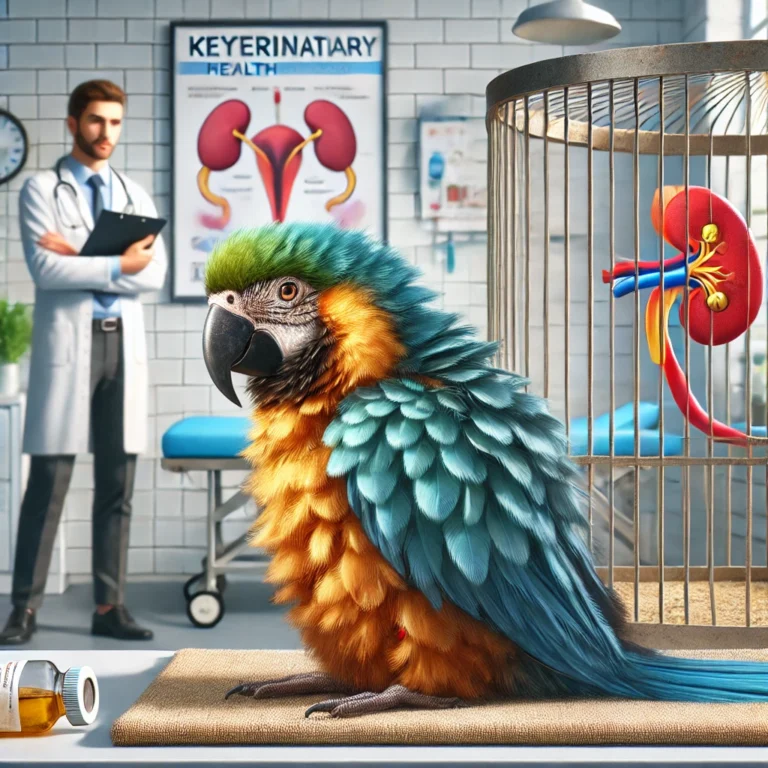
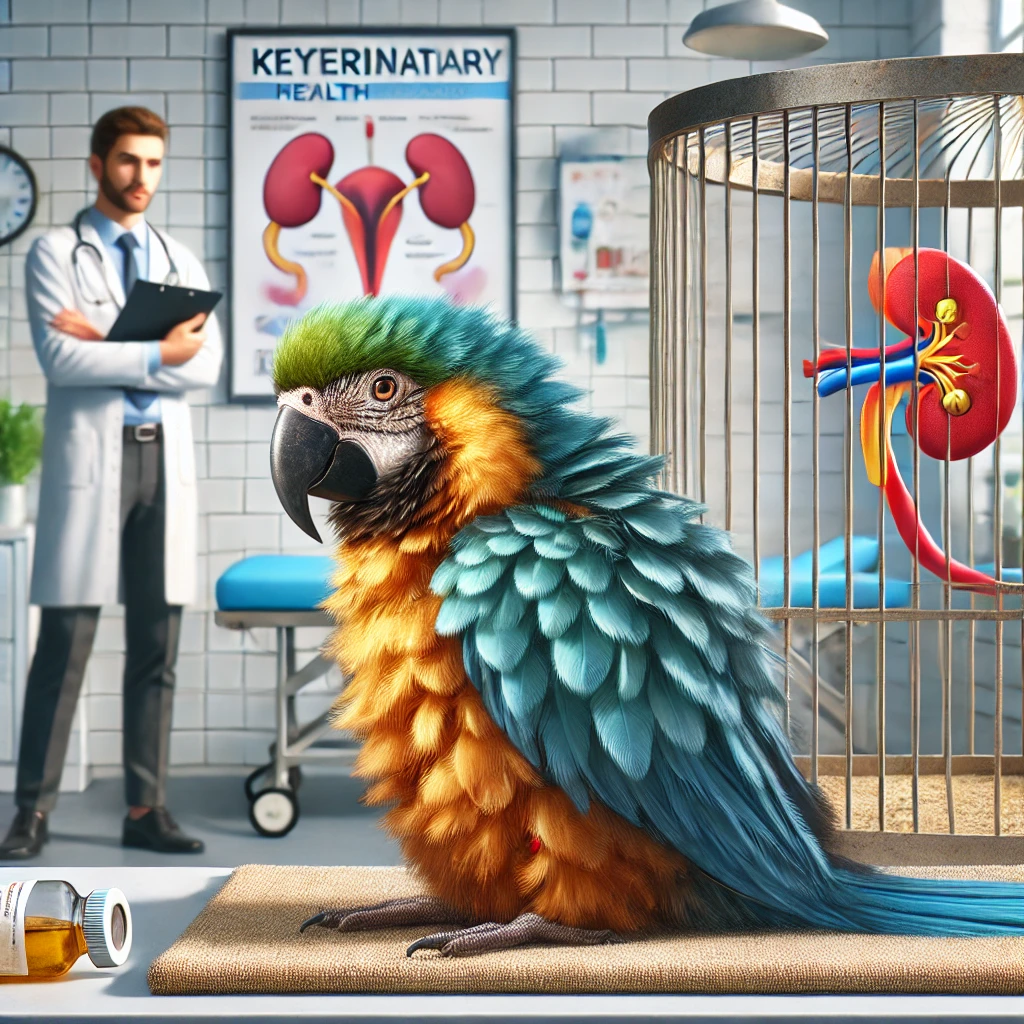
- Ketoacidosis and Metabolic Sickness – lethargy and puffed-up stomach; recognized by rapid change in diet or housing conditions.
These conditions illustrate why staying informed about bird diseases and adopting preventative strategies is vital for every pigeon, parrot, or exotic collection.
Preventive Strategies for Bird Owners
Prevention starts with environment and management. The following checklist covers practical steps:
- Regular Vaccinations: Schedule a vet visit for core vaccines, especially if birds travel or are housed with multiple species.
- Quarantine New Birds: Isolate any newcomer for at least two weeks to monitor for symptoms.
- Hygiene and Disinfection: Clean cages, perches, and water dishes daily; use approved avian disinfectants.
- Dietary Balance: Offer a protein-rich, nutritionally balanced diet and fresh water to boost immunity.
- Parasite Control: Apply topical treatments and dewormers per veterinarian guidance on a quarterly basis.
Combining these measures reduces the spread of infection and equips your birds with the best chance for longevity.
Vaccinations and Prophylaxis
Vaccinations are proven to lower the risk of outbreaks for several debilitating conditions. Consult the CDC’s Wikipedia Avian Influenza page and avian veterinary guidelines to tailor a schedule for your species type. For example, pigeons benefit from the pigeon influenza vaccine, while psittacine birds require specific protocols for psittacosis prevention. A well‑planned vaccine plan is often the most cost‑effective investment in avian health.
Environmental Controls
Temperature, ventilation, and light cycle influence immune function. Birds thrive in spaces where temperatures stay between 55°F and 80°F. Adequate airflow discourages fungal spores and bacterial growth, both culprits in respiratory illnesses. Dim or natural lighting conditions promote healthy circadian rhythms, further strengthening disease resistance. Here’s a quick comparison table of key environmental factors:
| Factor | Ideal Range | Impact |
|---|---|---|
| Temperature | 55-80°F | Prevents hypothermia and overheating |
| Hygiene | Daily cleaning | Reduces pathogen load |
| Ventilation | Good airflow | Lowers respiratory infection risk |
When to Seek Veterinary Care
Even with meticulous care, some signs require professional input. Seek an appointment if birds exhibit any of the following:
- Persistent abnormal breathing or coughing for more than 48 hours.
- Signs of neurological distress, such as uncoordinated movements or drooping wings.
- Rapid weight loss or sudden lethargy.
- Visible lesions, swelling, or discharge around the eyes or beak.
Early veterinary involvement can save lives and prevent spread to other birds in the household.
Conclusion and Take Action Today
Understanding bird diseases and implementing routine preventative care are your best defenses in maintaining a healthy flock. From vigilant observation and strict hygiene to timely vaccinations and environmental optimization, every step you take fortifies your birds against illness. Don’t wait for symptoms to surface—give your feathered companions the gift of proactive care. Act now, protect them, and enjoy a vibrant, disease-resistant aviary.
Frequently Asked Questions
Q1. How often should I vaccinate my birds?
Vaccination frequency varies by species and local disease risks. Generally, core vaccines are given annually or biennially, while additional boosters may be needed after travel or exposure to other birds. Consult your veterinarian for a personalized schedule.
Q2. What are the earliest signs of avian influenza in my birds?
Early indicators include rapid breathing, sneezing, and a sudden drop in feed or water consumption. Fever and lethargy often follow within 48 hours. Immediate isolation and veterinary consultation are essential.
Q3. Can parasites be completely eliminated from a birdhouse?
Complete eradication is challenging without professional decontamination, but consistent cleaning, weekly dewormer applications, and proper ventilation can keep parasite levels low and prevent reinfection.
Q4. Are there natural remedies that aid in preventing bird diseases?
While supplements such as omega‑3 fatty acids boost immunity, they should complement, not replace, standardized vaccines and hygiene practices. Always discuss any supplement use with your avian veterinarian.
Q5. What should I do if I suspect a bird has psittacosis?
Immediately isolate the bird and wear protective gloves. Seek professional veterinary care, as psittacosis is contagious to humans. Follow strict hygiene protocols during cleaning.