Encourage Natural Bird Behaviors
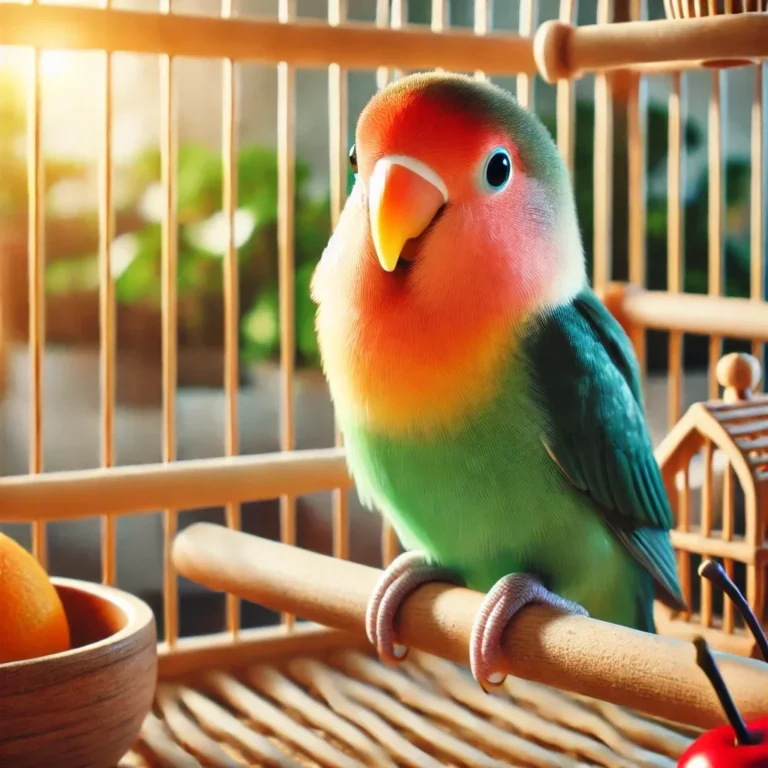
Encourage Natural Bird Behaviors right from the moment you bring a feathered pet into your home. Captive birds, whether parrots, canaries, or finches, thrive when their environment mirrors the complexity of the wild. By stimulating instinctive activities—preening, vocalizing, nesting, and foraging—owners can reduce stress, prevent boredom, and promote overall health. Integrating science-backed strategies into daily care transforms a cage into a sanctuary where birds feel safe, curious, and engaged.
Understanding Natural Bird Behaviors
Natural bird behaviors refer to the instinctual patterns and activities that birds display in their native habitats. These behaviors include complex vocalizations, intricate social interactions, and diverse foraging techniques. Understanding why birds act the way they do is crucial for creating an environment that satisfies their innate needs. According to the Wikipedia entry on bird behavior, the study of behavioral ecology demonstrates that stimulating natural actions enhances welfare and reduces abnormal behaviors.
Environmental Enrichment: The Foundation
Effective enrichment creates multiple stimulus layers that cater to a bird’s physical, cognitive, and sensory capacities. Environmental design should accommodate daily cycles, light exposure, temperature, and the ability to fly, climb, and explore. A practical enrichment plan typically includes:
- Multi‑level perches that vary in diameter, texture, and elevation to mimic tree strata.
- Natural materials such as untreated wood for scratching, leafy branches, and live or fresh plant cuttings for foraging.
- Rotating novel objects—mirrors, bells, and puzzle toys—at regular intervals to sustain curiosity.
- Safe spaces for rest and privacy, such as a small, enclosed cage zone or a “nest box” that encourages resting without supervision.
The combination of physical variety, safe hiding spots, and consistent change allows birds to practice problem‑solving and spatial awareness, key components of natural survival skills.
Feeding Strategies that Promote Natural Foraging
Feeding is more than nutrition; it’s an opportunity to replicate wild foraging behavior. Birds have evolved to search for seeds, fruits, insects, and occasionally grains in various ecological settings. By making food acquisition a playful activity, you mimic the hunt. The FWS Bird Portal highlights that foraging enrichment increases gut motility and mental stimulation. Here are several evidence‑based feeding techniques:
- Scatter feeding distributes seeds across a shallow tray or on the floor, encouraging the bird to search and pick.
- Puzzle feeders force the bird to manipulate compartments or solve a sequence before obtaining a treat, engaging cognitive circuits.
- Use of live insects (mealworms, crickets) introduces the sensory cues of prey hunting and adds protein variety.
- Time‑controlled feedings—e.g., morning “hunt” sessions followed by a predictable feeding schedule—simulate natural circadian patterns.
By varying textures, shapes, and visibility of food, you cultivate fine motor skills and reinforce feeding instincts, ultimately leading to a well‑balanced diet.
Social Interaction and Nesting: Mimicking Wild Settings
Birds are social creatures. The absence of appropriate interaction can trigger vocalization disorders, feather plucking, and stress. To emulate community dynamics:
- Encourage daily interaction through gentle talk, singing, and visual contact, fostering bond formation.
- Provide a nesting box made of untreated wood with a low inside diameter, lined with shredded paper or natural fiber. Nesting not only offers shelter but also triggers instinctive building and egg‑care behaviors.
- Rotate the nesting area’s location to expose birds to new environmental parameters, maintaining novelty.
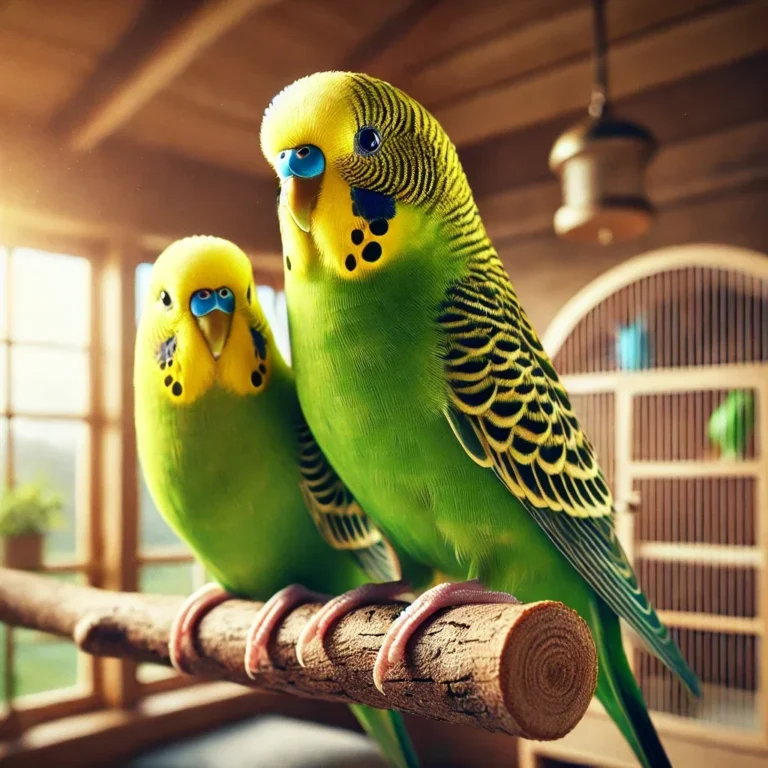
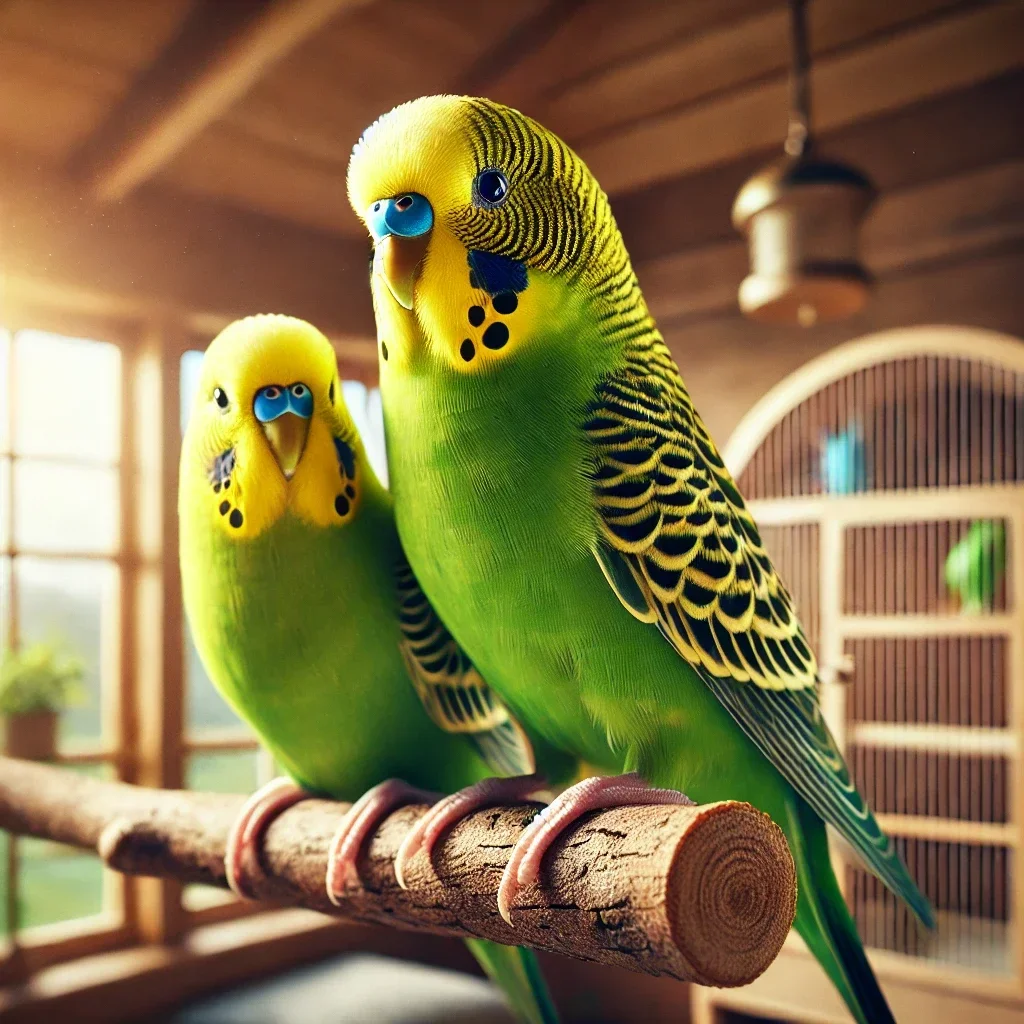
- Introduce a second compatible bird gradually, ensuring both species exhibit compatible temperaments and activity levels.
These measures provide emotional support and stimulate the social circuits that birds naturally rely on for protection, reproduction, and communal learning.
Training to Support Instincts, Not Training to Obey
Training programs should align with the bird’s intrinsic goals, such as reaching a perch, flying through hoops, or finding food. Positive reinforcement—using treats or praise—fosters voluntary participation rather than coercion. The Cornell avian science department at Cornell University emphasizes the importance of “reward‑based” methods that respect natural learning curves. Training steps include:
- Begin with short, consistent sessions—no more than 5 minutes—to avoid fatigue.
- Use high‑value treats (e.g., millet, sunflower seeds) for correct behavior; give verbal praise and gentle petting.
- Mirror natural problem‑solving by providing step‑by‑step challenges, such as opening a small door to reach a feeder.
- Gradually increase difficulty, allowing the bird to demonstrate mastery before moving forward.
- Document progress with photographic logs; this helps identify patterns and adjust routines accordingly.
Training that mirrors evolutionary tasks—like crossing a beam or deciphering a puzzle—enhances cognitive flexibility and reduces the risk of abnormal behaviors arising from frustration.
Maintaining Mental and Physical Health: A Holistic Checklist
A well‑balanced routine ensures both physical fitness and mental sharpness. Regular routine adjustments help birds stay engaged and adapt to changing conditions. Use this checklist to evaluate weekly:
- Is the bird preening its feathers freely and without abnormal pilo‑trichotillosis?
- Are vocal patterns natural—rhythmic chirps or complex songs—without signs of excessive screaming?
- Has the bird participated in at least one enrichment activity that encourages movement or problem‑solving?
- Is the bird’s body weight within the recommended range for its species?
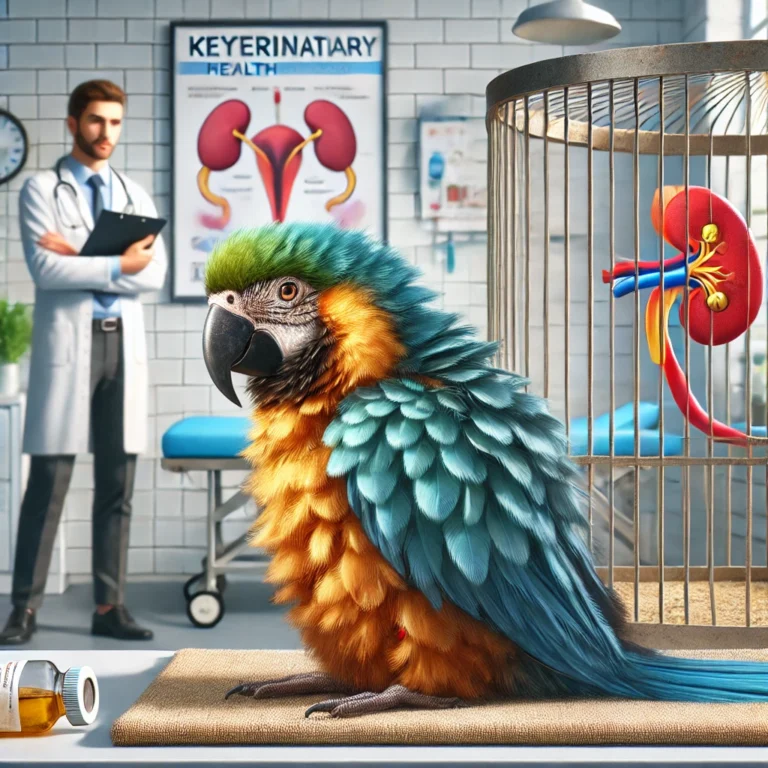
- Are there visible signs of stress such as feather ruffling, feather loss, or rapid breathing?
A proactive approach helps detect behavioral decline before it escalates into chronic health issues.
Conclusion: Take Action Today to Encourage Natural Bird Behaviors
Creating an environment that nurtures natural bird behaviors transforms captivity from a confinement into a thriving habitat. By thoughtfully integrating enrichment, varied foraging, social bonding, and reward‑based training, you provide a dynamic life that mirrors the wild. Your commitment to these principles ensures a healthier, happier bird that enjoys freedom in every instinctive action. Start today—observe, adjust, and celebrate the natural rhythm your feathered companion brings into your home. Encourage Natural Bird Behaviors and witness a remarkable transformation in well‑being and companionship.
Frequently Asked Questions
Q1. How often should I change enrichment items?
Change enrichment items weekly to keep your bird engaged. Rotate perches, toys, and foraging setups to provide variety and prevent boredom.
Q2. Can I use commercial bird toys for enrichment?
Yes, but choose non-toxic, untreated options. Puzzle feeders, natural wood toys, and items without small detachable parts ensure safety and stimulate natural play.
Q3. What are signs that my bird is stressed?
Typical stress signals include feather ruffling, excessive vocalization, feather plucking, rapid breathing, and a lack of interest in food or toys.
Q4. Is it safe to keep my bird indoors during cold weather?
Most small birds can adapt to indoor conditions if the room is warm, well‑lit, and free from drafts. However, larger wild species may need outdoor space during the day.
Q5. How can I safely introduce a second bird?
Introduce the birds gradually, using a neutral enclosure, and supervise interactions closely. Ensure both species are healthy, match activity levels, and have separate food sources.