Double-Coated Grooming Routine Tips
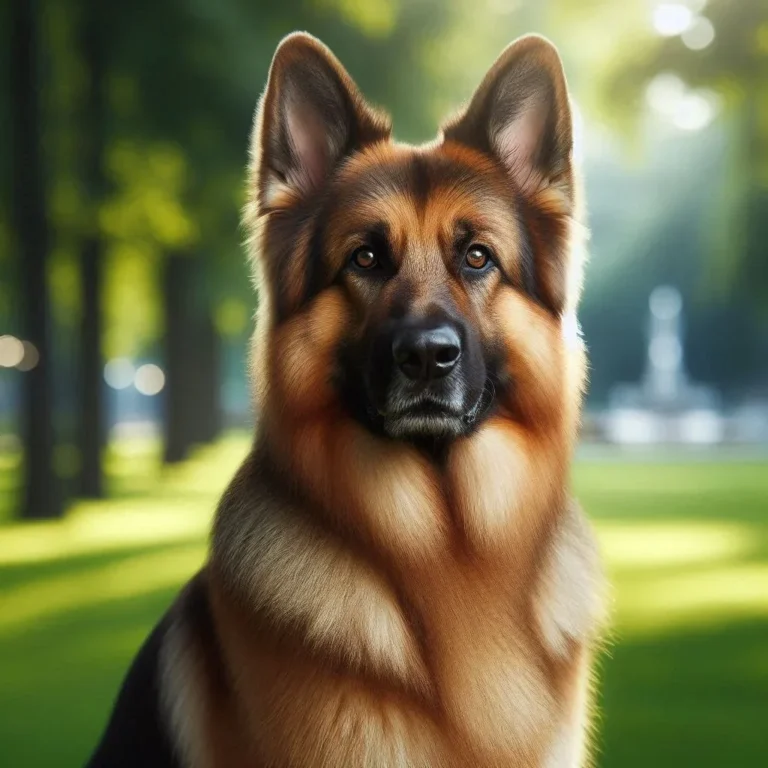
Double-coated breeds, such as the German Shepherd, Golden Retriever, and Siberian Husky, require a thoughtful grooming routine to maintain their unique coat and overall skin health. These dogs possess an outer protective layer and an inner undercoat that provide insulation, manage temperature, and protect against the elements. A consistent grooming schedule not only keeps their coat looking healthy and shiny but also prevents matting, skin irritation, and common health concerns associated with neglected coat care. This guide offers a comprehensive, step‑by‑step approach tailored specifically to double‑coated dogs, ensuring you can confidently care for your furry companion year‑after‑year.
Understanding Double-Coated Features
Double-coated dogs exhibit a two‑layered coat system that balances protection and temperature control. The outer guard hairs are long, water‑resistant fibers that shield against wind and rain. Beneath lies a dense undercoat that traps heat in the winter and releases moisture in the summer. This dual system is why breeds like the German Shepherd or Golden Retriever can thrive in diverse climates. Recognizing the different layers guides how aggressively you brush and where you focus your attention.
During the shedding cycle known as “blowing the coat,” the inner undercoat loosens, allowing a thicker volume of hair to escape the skin. In the fall, double‑coated dogs enter a heavy shedding phase lasting 3–4 weeks, while in spring the shedding tapers. By aligning your grooming routine with these natural cycles, you can reduce indoor hair buildup and help the dog maintain an even, healthy coat. Observing the shedding pattern also provides early clues if a dog is experiencing abnormal shedding due to health issues.
Essential Tools for Grooming
Investment in high‑quality grooming tools pays dividend in coat health and owner convenience. A slicker brush with nylon bristles is essential for detangling undercoat fibers without pulling. Complement it with a wide‑toothed comb to gently release mats before brushing. A grooming glove can act as a light brush while encouraging bonding moments during the process.
Bathing equipment matters as well. A detachable shower head or handheld sprayer allows targeted rinsing, reducing the likelihood of leaving soap residue on the skin. Pair this with a dog‑safe, pH‑balanced shampoo—many veterinarians recommend products listed in dog coat care literature. A dry towel and a gentle, breathable drying mat finish the bath, minimizing the risk of skin dryness or irritation. For those who like to keep a clean workspace, a set of disposable brushing pads protects the floor and reduces cleanup time.
Daily Grooming Routine
Daily grooming focus for double‑coated dogs is mainly preventive; heavy brushing isn’t required every day, but consistent effort prevents mat formation. Begin with a gentle detangle using a wide‑toothed comb to catch hair knots exposed overnight. Follow with a slicker brush session that removes loose hair and stimulates the sebaceous glands, ensuring natural oil distribution without over‑scrubbing.
- Morning: Light brushing, especially around ears and tail.
- Evening: Quick check for mats, brief combing if necessary.
- During heavy shedding: Use a de‑mat spray to loosen stubborn tangles.
- Post‑exercise: Wipe down paws and inspect for dirt or debris.
Throughout the week, aim for 2–3 deep brushing sessions—each session should last 5–10 minutes, depending on coat density. During thickening seasons, extend brushing to include the undercoat carefully; avoid aggressive force that can pull on the skin. By making grooming a calm, routine activity, you foster trust and lower anxiety during more involved sessions.
Seasonal Care and Spa Days
Seasonal changes dramatically affect double‑coated coats. In autumn, the dog’s body will shed the undercoat to lighten its load for the winter; in spring, a reverse shedding occurs as the undercoat thickens to support colder temperatures. Plan “spa days” once or twice a month during peak shedding, especially if your dog remains indoors during long winter months.
A spa day begins with a lukewarm bath using a no‑friction shampoo designed for sensitive skin. A gentle rinse removes any buildup of sebum and dirt, followed by a quick towel‑dry. Apply a dog‑friendly conditioner if you notice the coat appearing dull or rough. Finish with a firm brushing to remove any remaining loose hair and restore coat luster. This extra care also offers a psychological break for breeds that thrive on novelty and handling.
Because double‑coated dogs often develop a deeper coat in winter, many owners recommend a high‑quality indoor collar and a fleece blanket for especially chilly days. Providing a consistent, comfortable environment helps the dog maintain natural oil production and prevents dryness that can result from excessive shedding. These small adjustments make a noticeable difference to the dog’s overall well‑being.
Common Skin Issues and Prevention
The unique structure of double‑coated coats can trap moisture between layers if not managed properly, leading to fungal infections or hot spots. Regular inspections for redness, itchiness, or an unexplained odor help catch problems early. If you spot a small dark blemish or a hot, itchy patch, apply a vet‑recommended antimicrobial spray and consider a topical treatment to prevent spread.
Another frequent concern is ear mite infestation, which thrives in the humid environment double‑coated dogs create. Clean the ear canals once a week during shedding season using a gentle, vet‑approved ear cleaner. Watch for signs such as dark debris, odor, or excessive ear scratching. If these symptoms appear, a visit to the vet is warranted for diagnosis and appropriate medication.
To reduce the likelihood of dermatitis, keep the coat dry after exercise or showers. Use a breathable towel and allow the dog to rest in a warm, draft‑free room until fully dry. Also, feeding a diet rich in omega‑3 fatty acids helps strengthen skin barrier function, supporting a shiny, resilient coat. Consistent grooming and a balanced diet form a powerful synergy against skin ailments.
Professional Grooming: When to Seek Help
Despite thorough at‑home grooming, some situations are best handled by a seasoned groomer. Severe matting that reaches the skin, especially around the ears, neck, and underside of the tail, can lead to painful sores if not carefully trimmed. Professional clippers with variable speed settings protect the sensitive skin while removing excess fur in problem areas.
Groomers also offer specialized services such as ear cleaning, paw trimming, and dental care. Many double‑coated breeds are prone to paw pad dermatitis, especially during wet weather. A groomer’s precise paw maintenance can prevent cramping and breakage while keeping the dog comfortable. For elderly dogs, offering a gentle spa day can alleviate arthritis pain and keep joint mobility.
Conclusion and Call to Action
Double-coated grooming is more than a routine; it’s a commitment that safeguards your dog’s health and your peace of mind. By understanding coat layers, using the right tools, and tailoring daily, seasonal, and professional care, you give your dog the best chance at a glossy, mat‑free, and itch‑free life. Start today by creating a customized grooming calendar and investing in quality brushes and shampoos specifically designed for double‑coated breeds. The effort you put in now will reward you with a healthy, confident companion for years to come.
Frequently Asked Questions
Q1. How often should I brush a double‑coated dog during shedding?
During heavy shedding, daily brushing helps manage loose fibers, while on lighter months, 2–3 times per week is usually sufficient.
Q2. What brushing technique works best for double coats?
Start with a wide‑toothed comb to untangle, then follow with a slicker brush moving in the direction of hair growth, being gentle around the skin.
Q3. Will frequent baths strip the dog’s natural oils?
Bathing only once a month keeps the coat clean without stripping oils; use a pH‑balanced shampoo and rinse thoroughly to avoid residue.
Q4. When is it safe to trim a double‑coated dog’s hair?
Trim primarily around the ears, paws, and under the tail to prevent matting; avoid cutting the outer guard layer unless recommended by a groomer.
Q5. What should I do if my dog develops hot spots?
Identify the area, clean gently with vet‑approved antiseptic, and contact your veterinarian for a prescription to reduce inflammation.