Modular Storage Solutions
Managing a large pet collection can feel like an endless shelving puzzle. Each animal brings its own size, temperament, and style requirements, which is why many pet enthusiasts turn to modular storage solutions. These systems offer flexibility, durability, and an easy‑update workflow that adapts as your collection expands. In this guide, we walk through the essential design principles, material choices, and customization steps that make modular storage the smart choice for any pet‑heavy household.
Design Essentials for Modular Pet Storage
Before drawing up plans, think about the three core functions your storage must perform: safety, accessibility, and organization. A safe design limits escape routes, while accessible storage keeps essential supplies within arm’s reach. Organization, meanwhile, keeps your pets’ habitats tidy, minimizing stress and enhancing hygiene. Together, these pillars form the foundation of a reliable modular system.
To start, map out the available space and identify high‑traffic zones. Use a grid layout to visualise placement of modules, ensuring that doors, pathways, and feeding areas remain clear. Keep in mind the dynamic nature of pet needs—birds require perches, large dogs benefit from low cubby holes, and reptiles need temperature‑controlled enclosures. Custom modules allow you to tailor each unit to specific species while keeping the overall aesthetic unified.
- Plan vertical layering to maximize floor area.
- Include adjustable height shelves for growth stages.
- Insert lockable doors for predator‑proofing.
- Use color‑coded labels to quickly identify species compartments.
The planning stage is best conducted with a CAD program or simple sketching tools. Many designers use online templates such as those available on Modular furniture pages for inspiration and guidance. A thorough layout reduces construction errors and saves both time and money.
Selecting Durable Materials
Pet environments can be harsh—licks, drool, and sometimes claws. The materials chosen for modular storage therefore need to be resistant to moisture, scratches, and accidental impacts. Commonly recommended options include marine‑grade plywood, stainless steel, and acrylic sheets. Each material offers distinct advantages: plywood gives an easy finish surface; stainless steel delivers robustness; and acrylic provides a clear, hygienic barrier for small reptiles.
When assessing each option, look for marine‑grade lumber that resists warping and rotting, especially in humid environments. Stainless steel, while pricier, offers unbeatable strength and is ideal for high‑traffic areas or for housing powerful dogs. For aquatic or amphibious pets, a combination of acrylic trays and polycarbonate backing shields the environment from drool and ensures easy cleaning.
To further protect the structure, finish surfaces with food‑safe, pet‑friendly sealants. Look for non‑toxic options available from established manufacturers, such as those listed on polyurethane products. Proper sealing extends the life of your setup and keeps it safe for both pets and humans.
Customizing Modules for Size and Species
Modularity shines when you adapt a basic block into a component that meets each animal’s exact needs. Start by measuring the tallest and widest pets; these figures set the baseline for module height and depth. Below, a simple table illustrates typical module dimensions for several common pets. This tool is handy when you’re scaling up a small setup to accommodate a grow‑together group.
| Pet Type | Minimum Height (in) | Minimum Depth (in) |
|---|---|---|
| Small Bird | 6 | 6 |
| Medium Cat | 12 | 12 |
| Large Dog | 24 | 18 |
| Reptile (Terrarium) | 18 | 20 |
Once sizes are clear, decide on module functions—storage, feeding, enrichment, or a combination. For instance, a double‑layer module might stack a feeding area on the bottom with an enrichment shelf on top. Another popular design is the “hub and spoke” plan, where a central unit connects to side modules via adjustable brackets, allowing you to change layout without dismantling the entire setup.
Enrichment is vital for mental stimulation. Incorporate perch rods for birds, puzzle feeders on shelves, and textured surfaces for reptiles. If you have multiple dogs, build separate low‑height modules with chew‑proof materials. Always use pet‑safe paints and finishes to keep the environment free of harmful chemicals.
Space Optimization and Aesthetic Integration
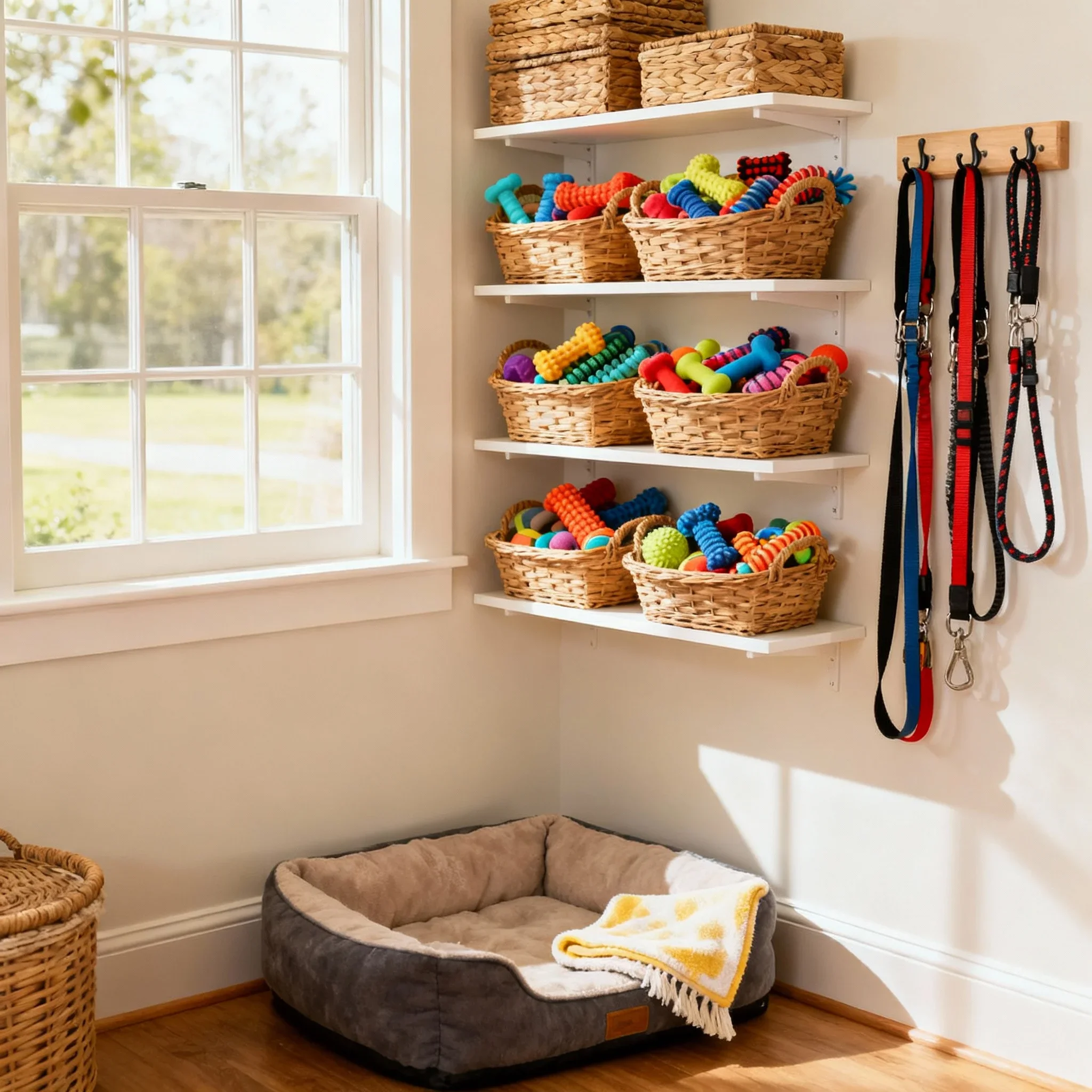
When living in a small to medium house, efficient use of vertical space can dramatically improve living comfort. Consider installing rail‑mounted modules over unused wall space or under high‑ceiling windows. These hidden storage areas keep your floor plan open while offering dedicated spaces for each animal.
For homes with limited wall time, freestanding modular units are an excellent compromise. Use lightweight frames and pivoting panels to allow quick rotation of modules for cleaning or feeding. Pairing modular furniture with modern cabinetry can create a cohesive look that blends into your décor. For a subtle touch, paint the frames in colors that complement your interior, and add subtle LED strip lighting for nighttime visibility.
Finally, routine maintenance is essential. Schedule a monthly check for structural integrity, tightening loose screws, and cleaning surfaces. Swap out any damaged components promptly to prevent accidents. Following these simple upkeep steps extends the lifespan of your modular system and safeguards your pets.
Transform your pet space today! With the right design, materials, and customization, modular storage solutions provide a scalable, sustainable, and stylish foundation for all of your animal companions. Don’t wait—start planning your modular pet store now, and enjoy a calm, organized sanctuary for both you and your beloved animals. Reach out to a trusted interior designer or visit local build‑store events to get expert advice and material samples. Your next step? Sketch a layout and bring your modular vision to life.
Frequently Asked Questions
Q1. What is the best material for storing large dogs?
Stainless steel or heavy‑gauge MDF with a durable sealant work best for large dogs. These materials resist scratching, chewing, and moisture, making them ideal for high‑traffic pet environments.
Q2. How can I keep my modular system safe for small, curious animals?
Use lockable doors or secure panels. Install rounded corners and avoid sharp edges. Verify materials are non‑toxic and seal all seams to prevent ingestion of loose parts.
Q3. Is a modular approach more expensive than a fixed storage unit?
Initially, modular systems may cost slightly more due to modular components. However, they offer scalability and easier upgrades, which reduce long‑term replacement costs.
Q4. Can I build my own modular pet storage?
Yes, with proper plans and tools. Start with basic wood or metal sheets, use adjustable brackets, and follow safety guidelines. Refer to Modular furniture resources for building steps.
Q5. How often should I clean my modular pet enclosure?
Clean at least once a week. Remove waste, wash surfaces with pet‑safe disinfectant, and check for wear and tear on panels or panels for loose or damaged parts.