Indoor Bird Care Tips
Feathers are more than feathers: they protect, regulate temperature, and display vibrant aesthetics. To keep indoor birds looking dazzling, owners must focus on specific care routines that maintain feather quality. Proper diet, clean environments, and regular grooming all help prevent limp, feather loss, and infections. Learn how to provide the right care to keep your feathered friends healthy and happy.
Indoor Bird Care: Foundations of Feather Health
Feather quality is rooted in the feather’s structural integrity, governed by the protein keratin. Healthy barbs create smooth, reflective surfaces that reduce friction and feather shedding. Research shows that a balanced protein intake and adequate calcium prevent brittle feathers and premature molt. According to the Feather structure, a strong rachis supports each barbs’ growth. Indoor bird care that supports proper feather development includes regular inspections, immediate treatment of feather damage, and consistent vitamin levels.
Indoor Bird Care and Nutrition for Strong Feathers
Nutrition is the single most influential factor for feather strength and shine. An optimal diet should provide high-quality proteins, essential fatty acids, and a spectrum of vitamins. Below are key components to include:
- Protein: Poultry or fish-based pellets supply lean amino acids vital for keratin production.
- Omega‑3 Fatty Acids: Flaxseed or fish oil support feather gloss and feather molt timing.
- Vitamin B3 (Niacin): Prevents pellagra, which can cause feather deformities.
- Vitamin A: Aids skin integrity; the Vitamin A deficiency leads to feather softness.
- Calcium: Essential for feather maintenance; supplement as needed during molting periods.
Hydration is equally important as dehydration can cause feather dryness and breakage. Fresh, clean water must be available at all times, and during hot or active periods, adding a pinch of electrolytes to the water can help maintain feather moisture. Some birds also benefit from a daily misting spray to reduce dryness during winter months.
Indoor Bird Care: Environmental Factors Shaping Feather Quality
Feather health is influenced by the environment in which your bird lives. Temperature fluctuations, noise, and improper lighting can accelerate feather wear. Maintain a stable temperature between 60°F and 80°F (temperature range guidelines) to prevent feathers from becoming stiff or flaking.
Natural or full‑spectral artificial lighting mimics daylight, stimulating a healthy feather growth cycle. If you rely on artificial lights, incorporate UVB bulbs, as these enhance vitamin D synthesis and strengthen keratin. However, excessive UV exposure can cause feather yellowing; a balanced light exposure of 10–12 hours is recommended.
Ventilation also matters. Adequate airflow prevents excess moisture buildup, reducing the risk of fungal infections that can damage feathers. Keep dust at bay by dusting cage surfaces regularly, installing air filters in living areas, and ensuring your bird’s food is stored in airtight containers.
Indoor Bird Care: Hygiene and Grooming Practices
Grooming is essential for reflecting light off each feather and removing debris that can lead to infections. Use a soft cloth or a comb specifically designed for birds to gently remove loose feathers and dust. Avoid over‑clipping, as feather removal interferes with natural shedding cycles.
Bathing rituals support feather integrity; provide shallow water or a misting system weekly to keep feathers hydrated without excess wetting, which may encourage fungal growth. After bathing, dry feathers with a calm fan or gentle blow to avoid feather frizz and create a soft sheen.
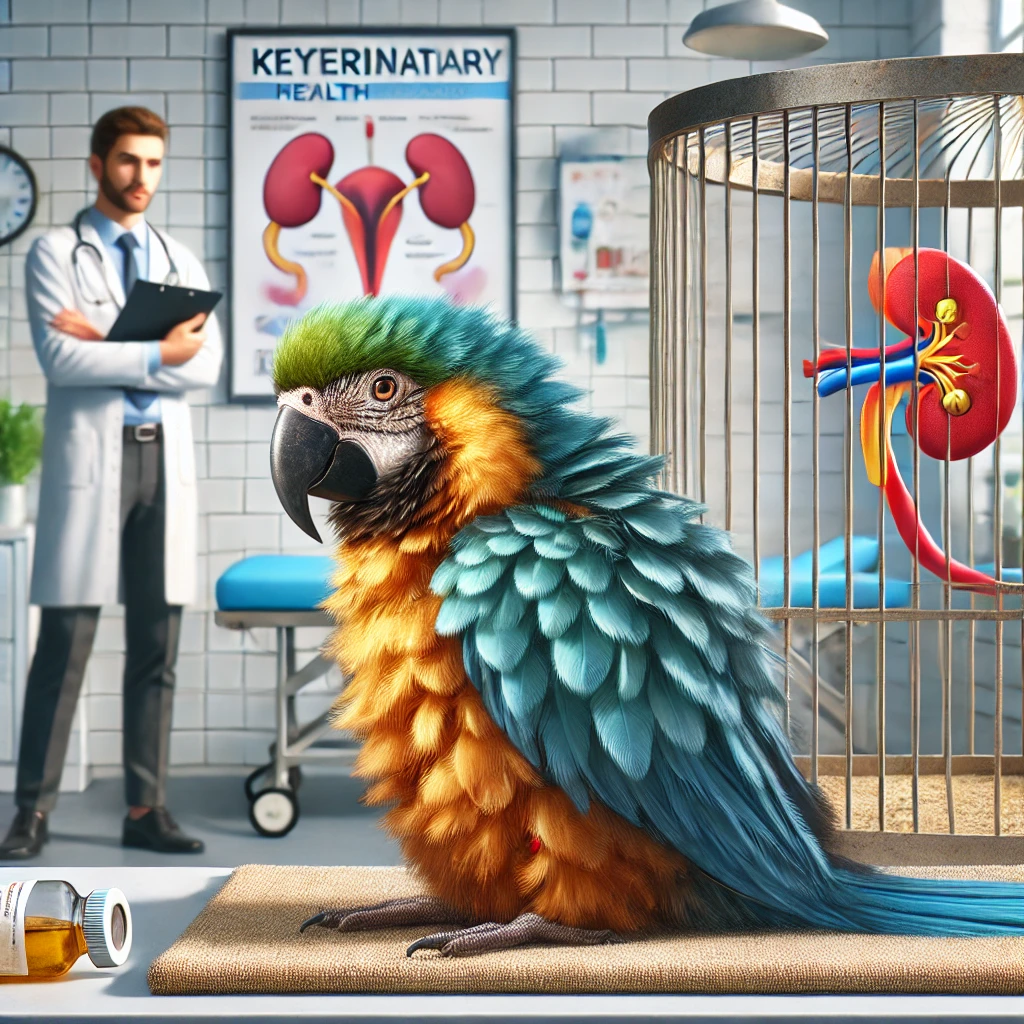
Inspect each feather for signs of rot or feather mites; early detection prevents spreading and maintains feather quality. When you notice abnormalities—such as missing barbules or feather discoloration—consult a qualified avian veterinarian promptly for treatment. Early intervention often stops a small issue from turning into a systemic problem.
Using a mild, bird‑safe cleaning solution on perches and cage surfaces helps reduce bacterial load and protects feather oils. Avoid harsh chemicals, which can strip natural oils, leading to dry, brittle feathers that shed more easily.
Overall, consistent grooming strengthens an indoor bird’s plumage, enhances temperature regulation, and preserves the bird’s natural beauty.
Indoor Bird Care: Managing Stress for Feather Health
Stress triggers a range of physiological responses that can directly affect feather integrity. When a bird experiences chronic anxiety or sudden changes, it may abandon preening, leading to feather thinning and increased shedding. Providing consistent routines, appropriate environmental enrichment, and minimal loud disturbances create a calm setting that supports regular preening behaviors. Gentle social interaction, such as short daily talks and soft background music, can also reduce cortisol levels, which in turn preserves feather quality.
Indoor Bird Care: Long‑Term Monitoring and Adjustments
Feather condition is a dynamic health indicator that evolves with age, environment, and diet. Owners should perform monthly check‑ups, measuring feather thickness with a caliper or noticing any color changes. Documenting dates of molting and comparing current feather growth to previous records helps identify emerging issues early. If trends show declining feather density or increased molt irregularity, it may signal an underlying nutritional or environmental imbalance that requires adjustment. Regular communication with a veterinarian ensures that long‑term strategies stay aligned with your bird’s changing needs.
Indoor Bird Care is an ongoing process that combines nutrition, environment, and grooming to keep your bird’s feathers lustrous and healthy. By following these science‑backed steps, you not only enhance your bird’s appearance but also support its overall well‑being. Start today: assess your diet, stabilize the cage environment, and schedule regular grooming sessions to witness remarkable feather improvement. Take the first step—transform your indoor bird care routine and let your feathered friend shine brighter than ever.
Frequently Asked Questions
Q1. How often should I clean my bird’s cage to maintain feather quality?
Cleaning the cage at least once a week removes dust, shed feathers, and potential mite populations, all of which can compromise feather integrity. Daily spot‑cleaning of food and water areas keeps the environment bacteria‑free and prevents feather contamination.
Q2. Can indoor lighting damage my bird’s feathers?
Excessive exposure to high‑intensity or UV lights can cause feather yellowing or brittleness. Position lights to provide 10–12 hours of balanced illumination, and use UVB bulbs only when necessary to support vitamin D production.
Q3. What are signs that a bird’s feathers need veterinary care?
Look for uneven feather plumping, missing or discolored segments, and the presence of tiny white specks indicating mites. If any of these symptoms appear, schedule a veterinary exam to diagnose and treat underlying conditions promptly.
Q4. How much water should I provide for optimal feather hydration?
Always keep a clean water dish available. In hot climates or during vigorous activity periods, adding a small dose of electrolytes can help maintain moisture balance. Offer at least 15–30 milliliters per day, plus a weekly misting spray if indoor air is dry.
Q5. Is it safe to give my bird fish oil supplements?
Yes, fish oil is a source of omega‑3 fatty acids that promote glossy feathers and skin health. Use a veterinarian‑prescribed dosage and avoid exceeding recommended limits to prevent imbalance or digestive upset.