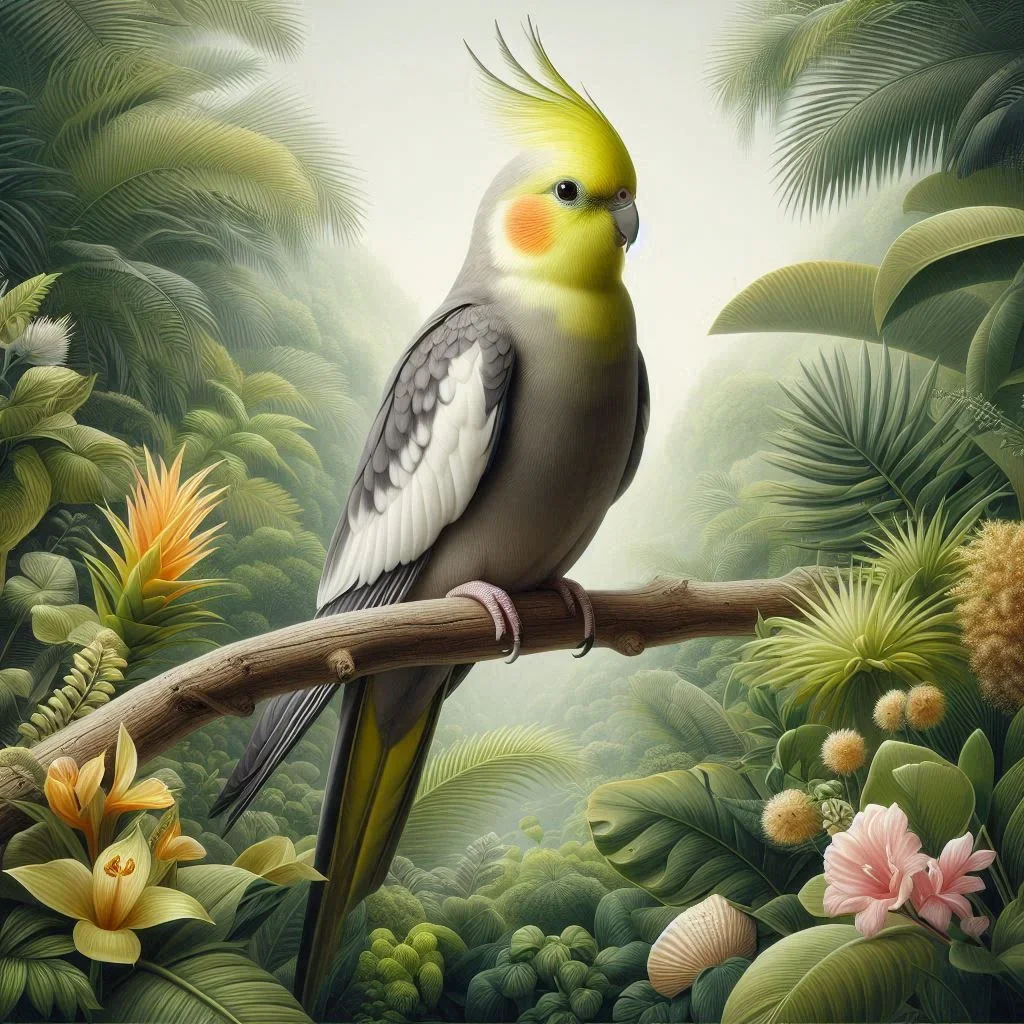
Enriching Meal Times Today
Every pet bird thrives on routine, and Meal Times are a prime opportunity for bonding and health. By turning feeding into an enriching experience, you not only satisfy their nutritional needs but also stimulate their curious minds. This guide shows how to make Meal Times meaningful, safe, and fun for your feathered companion.
Understanding Your Feathers’ Food Preferences at Meal Times
Bird species vary widely in taste and texture preference. Parrots often favor fresh fruit, while finches lean toward seeds and grains. Paying attention to what your bird chooses tells you about potential deficiencies and helps you tailor the menu.
The Association of Avian Veterinarians stresses that a diverse diet reduces boredom and destructive behaviors. Their research highlights that colorful foods rich in antioxidants promote feather health. Observe feeding time to gauge your bird’s hunger and curiosity.
Designing a Balanced Meal Plan for Meal Times
A balanced diet includes protein, fat, fiber, vitamins, and minerals. High-quality commercial pellets usually provide baseline protein and balanced vitamins, while fresh foods add variety. Supplements are only needed when natural ingredients fall short.
Below is a quick reference table of common seed blends and their primary nutrient content, useful when pairing seed mixes with fresh options.
| Seed Blend | Primary Protein (%) | Primary Fat (%) |
|---|---|---|
| Sunflower Mix | 13 | 43 |
| Canary Blend | 10 | 30 |
| Finch Mix | 8 | 22 |
Vitamins like A, E, and B-complex support joint function and feather upkeep. A simple daily treat of boiled egg or soaked nuts provides healthy fats and proteins. For precise nutrient comparisons, the USDA Food Composition Databases are reliable.
Incorporating Enrichment Tools at Meal Times
Puzzle feeders turn routine meals into problem‑solving tasks that engage foraging instincts and strengthen jaw muscles. Rotating trays with varying shapes and scents keeps the bird’s senses active. Safe, chew‑safe toys prevent beak damage and encourage healthy chewing.
Monitor your bird’s reaction: if it becomes agitated, the puzzle may be too difficult. Adjust difficulty or switch to a simpler design. Consistency in enrichment reduces feather plucking and improves overall engagement.
Safe Human Foods for Pet Birds During Meal Times
Many human snacks are safe, but portion and preparation matter. Fresh fruit, leafy greens, and cooked legumes are generally well tolerated. Avoid foods containing onions, garlic, chocolate, caffeine, sodium‑heavy canned goods, or avocado.
Introduce new foods gradually: start with a few drops and watch for changes in droppings or activity. The Wikipedia Bird diet page notes that even occasional consumption can trigger vomiting or metabolic issues.
Monitoring Health and Adjusting Habits at Meal Times
Regular observation of droppings, feather condition, and vocalizations offers valuable health signals. Clear, yellow droppings, glossy feathers, and active beak chewing indicate a thriving bird. Lacking these signs may warrant a vet visit.
Annual check‑ups detect early signs of iron deficiency or chronic inflammation. Keep a feeding log to aid professionals in diagnosing accurately. Small, consistent adjustments to diet often yield significant health gains.
By integrating thoughtful meal design, enrichment, and vigilant observation, you transform ordinary meal times into a cornerstone of your bird’s well‑being. Keep the routine fresh, offer diverse foods, and remember that small adjustments can lead to significant health gains. Start enriching your bird’s meal times today and enjoy witnessing a healthier, happier companion.
Frequently Asked Questions
Q1. Can I give my bird chocolate as a treat?
No. Chocolate contains theobromine, which is toxic to birds and can cause vomiting or cardiac arrest. Stick to safe human foods listed above.
Q2. How often should I change my bird’s puzzle feeder?
Rotate puzzle feeders every 2–4 weeks to maintain novelty. Replace worn-out pieces to prevent choking hazards.
Q3. Is it necessary to feed my pet bird twice a day?
Most large parrots do best with two small meals per day, while smaller species may handle a single, larger feed. Observe your bird’s appetite and adjust accordingly.
Q4. What is the best way to introduce fresh vegetables?
Start with small, well‑washed pieces of mild-tasting greens like spinach. Gradually add more variety once your bird shows interest.
Q5. Should I give my bird fish as a protein source?
Plain, boneless, and low‑sodium fish can be offered sparingly, but primary protein should come from the diet’s main source. Over‑reliance on fish can lead to heavy metal accumulation.