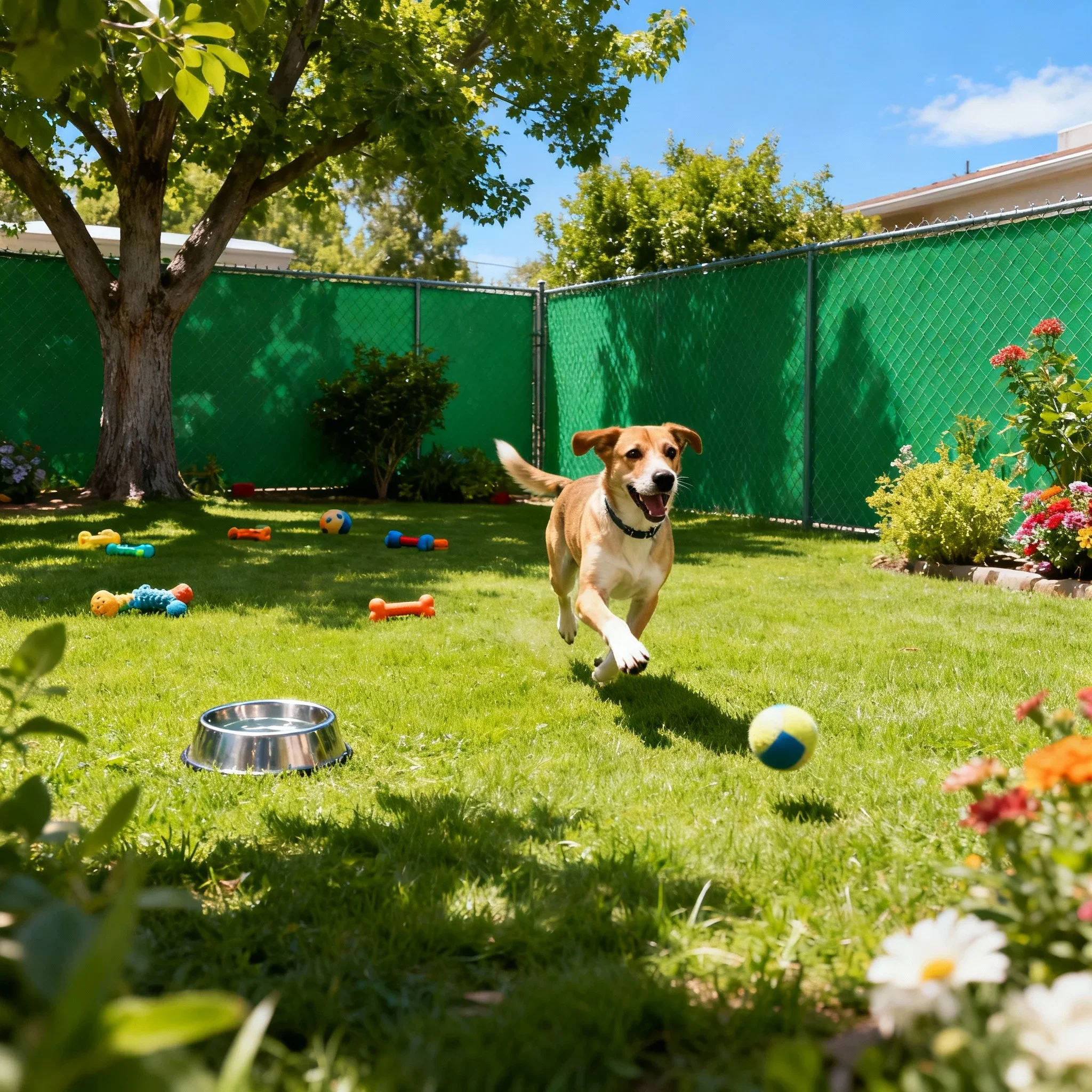
Pet Runs Safe Stylish
Every pet owner wants a safe and welcoming space where their dog can play and exercise. Designing a pet run that balances safety with style not only protects your pet but also enhances the curb appeal of your property. In this guide, we’ll walk through key design principles, material selections, and landscaping tricks that transform a plain yard into a vibrant, secure pet run.
Why Safety Must Come First in Pet Runs
When planning a pet run, safety is the foundation upon which creativity can flourish. A well‑designed run prevents pets from escaping, reduces the risk of injury from sharp edges, and shields animals from environmental hazards. According to the CDC’s dog safety guidelines, secure fencing and proper spacing are essential for protecting both pets and neighbors.
Proper safety also involves selecting non‑lethal deterrents, such as soft edges, and ensuring that the run is accessible for pets of all ages and sizes. By integrating safety from the planning stage, you avoid costly redesigns later and give your dog a reliable, enjoyable area to run freely.
Remember that an unsafe run can lead to accidental escapes, property damage, or injuries. Addressing these risks early makes the design process smoother and reassures you that your pet’s well‑being remains the top priority.
Choosing Durable Materials for Long‑Term Style
The right materials can make or break a pet run’s durability and aesthetic appeal. Lightweight yet strong options such as aluminum mesh, galvanized steel, and reinforced polyethylene fencing offer durability while keeping the structure sleek. Aluminum mesh is especially popular because it’s rust‑resistant and adaptable to various design layouts.
When selecting flooring, consider rubberized turf, poured epoxy, or cork mats. These surfaces provide cushion, traction, and easy maintenance, ensuring your dog doesn’t slip or develop joint issues. For a touch of luxury, patterned vinyl or faux‑waterfall stone tiles can echo a modern home’s décor, blending comfort with style.
- Aluminum Mesh: Lightweight, rust‑resistant, and low maintenance.
- Rubberized Turf: Soft, shock‑absorbing, and ideal for high‑traffic areas.
- Poured Epoxy: Seamless, anti‑glare surface that resists stains.
- Cork Mats: Eco‑friendly, naturally antimicrobial, and visually distinct.
Choosing materials that match your home’s architectural style elevates the overall look. For instance, a coastal home might benefit from wave‑patterned panels, while a country‑style property might opt for barn‑reed fencing combined with wooden decking.
Incorporating Landscaping for Style and Safety
Smart landscaping not only beautifies the pet run but also serves a functional role in safety and comfort. Planting dense shrubs or thorn‑free hedges along the perimeter creates natural boundaries that encourage dogs to stay inside without the need for additional fencing. The dog’s sense of smell is crucial; providing aromatic, non‑poisonous plants keeps them engaged and reduces the risk of them chewing on hazardous materials.
Use mulch or decomposed granite for the ground covering. These materials absorb impact, reduce wind turbulence, and prevent erosion. Adding a layer of evergreen conifers provides year‑long visibility and a pleasant backdrop during the winter months. If you’re working with limited space, consider vertical planters or stacked pergola pockets that incorporate shade trees, which offer both shelter and a vibrant color palette.
To further enhance safety, install soft borders at all corners and ensure that any sharp transitions between surfaces are padded. This attention to detail keeps pets safe when they dart around corners or run between different materials.
Ventilation, Lighting, and Shade Solutions
A comfortable pet run is one that offers appropriate airflow, illumination, and shade. A strategic placement of open vents or semi‑permeable panels ensures good ventilation, especially in hotter climates. For low‑light or even dark-season days, incorporate solar‑powered LED lighting along pathways and perimeters.
Shade is essential for preventing heatstroke. A pergola, shade canopy, or strategically placed trees can maintain an ideal temperature for your dog. Align the shade structure with the sun’s trajectory to maximize coverage throughout the day. When selecting shade materials, opt for UV‑resistant fabrics that do not degrade quickly in direct sunlight.
For pets that enjoy digging or burrowing, consider adding a small sandpit or gravel area that is clearly defined by a separate fencing style—this keeps them engaged while also encouraging proper behavioral habits.
The Final Touches: Signage, Fencing, and Access Points
After the core design is complete, the finishing elements bring polish and functionality. Installing clear, pet‑friendly signage—such as “Dog Only” signs or directional arrows—helps keep visitors and pets from inadvertently crossing into restricted areas. Ensure that signage is weather‑proof and matches the run’s color scheme.
Fencing is perhaps the most critical final element. Secure all seams with welded or glued joints, and position gateways to accommodate walk‑throughs for humans and pets alike. Gates should be reinforced with a lock that only you can operate to prevent unwanted visitors. For a decorative touch, incorporate wrought‑iron grilles or custom‑engraved panels that echo the overall design aesthetic.
When it comes to access points, consider placing entryways on the side of the run that faces your home. This minimizes the chance that neighbors will chase the dog and encourages easier supervision. Additionally, add a small platform or ladder for indoor entry, allowing you or caregivers to easily move the dog in and out of the run without disrupting the structural integrity of the fencing.
Conclusion and Call to Action
Designing a Pet Runs Safe Stylish space demands thoughtful planning that marries function with form. Use proven safety guidelines, durable materials, and smart landscaping to create a haven that your dog loves and that stands the test of time. By investing in high‑quality components and paying close attention to ventilation, lighting, and final touches, you elevate both the safety and the style of your pet run.
Are you ready to transform your outdoor area into a secure, stylish sanctuary for your furry friend? Contact a trusted landscape contractor, explore product catalogs from reputable suppliers, and start building the dream pet run that reflects your personal style while keeping safety front and center.
Take the first step today—design your perfect pet run.
Frequently Asked Questions
Q1. What type of fence is best for a pet run?
Aluminum mesh or galvanized steel are excellent because they’re long‑lasting, lightweight, and easily secured. They also allow for easy visibility, which helps you keep track of your pet’s location.
Q2. Can I use the same material for fencing and flooring?
While it’s possible, it’s often more cost‑effective to combine different materials—such as durable metal fencing with rubberized turf flooring—to achieve both safety and comfort.
Q3. How can I make a small yard suitable for a pet run?
Use vertical planters, stacked pergola pockets, and a compact floor layout to maximize space. A clear entry point and a small, padded landing area help keep the design efficient.
Q4. What are the best plants to line a pet run?
Choose non‑toxic plants such as dwarf pines, sedges, and hardy succulents. Avoid thorny or toxic varieties to prevent accidental ingestion.
Q5. How often should I replace or inspect the pet run?
Inspect the fence, flooring, and lighting annually. Replace any compromised sections promptly to maintain safety and performance.