Pet Area Design Ideas
Creating a dedicated space for your pet that feels natural, functional, and integrated with your home is an achievable goal when you approach the design process strategically. By considering where you live, the personalities of your pets, and your own lifestyle preferences, you can craft a pet area that is both soothing for your animal and harmonious with your domestic routine. This guide walks you through every step—from selecting the right spot to choosing furniture that feels safe and stylish, while ensuring the area meets health and safety standards set by leading animal health authorities.
Pet Area Space Planning
Before you grab a rug or a new dog bed, you must assess the physical space where your pet will spend most of its time. A well‑planned pet area is less about piling furniture and more about curating zones that allow your animal to rest, play, and groom without interfering with your living space. Consider the flow of your household: a living room corner might be ideal for a cat, while a spare bedroom could serve as a calm retreat for a larger dog. Measure the dimensions, accounting for a 2–3 foot clearance around furniture to give your pet room to move freely. The American Veterinary Medical Association also recommends keeping pet zones separate from kitchen or dining areas to reduce the risk of contamination AVMA guidelines. This baseline ensures you can later integrate comfort and safety features without compromising clean‑air zones.
Once you know the size, think about lighting. Natural light helps regulate pets’ circadian rhythms and promotes a calm environment. A window with sheer curtains offers plenty of daylight while controlling glare. If natural light is limited, strategically placed LED fixtures can mimic daylight intensity and prevent the area from feeling dark or cramped. Keep in mind that a high‑energy dog may need ample daylight to release bursts of activity, whereas a cat might prefer shaded nooks for snoozes.
Pet Area Furniture Selection
Furniture choices determine comfort, durability, and style. When buying pet beds, select materials that can stand up to accidental spills or scratching. Microfiber and leather are resilient and easy to clean, and many manufacturers design them with antimicrobial properties CDC healthy home tips. Another option is a washable, waterproof mattress that can be removed and laundered regularly.
For floor coverings, choose pet‑friendly rugs or tiles. A low-pile rug reduces the risk of matting hair and is easier to vacuum, while a hardwood floor can be sealed with a coat of wax to protect against drool and urine. If you prefer carpet, ensure it’s dense and comes from a washable synthetic fiber. Remember to anchor heavier pieces such as bookshelves with a wall bracket to support a heavy pet that might lean on them for warmth.
- A sturdy, padded bench can serve as a cat perch while providing a spot for you to sit and observe your pet’s antics.
- A low‑profile dog crate with a breathable fabric lining offers a consistent boundary for sleep and safety.
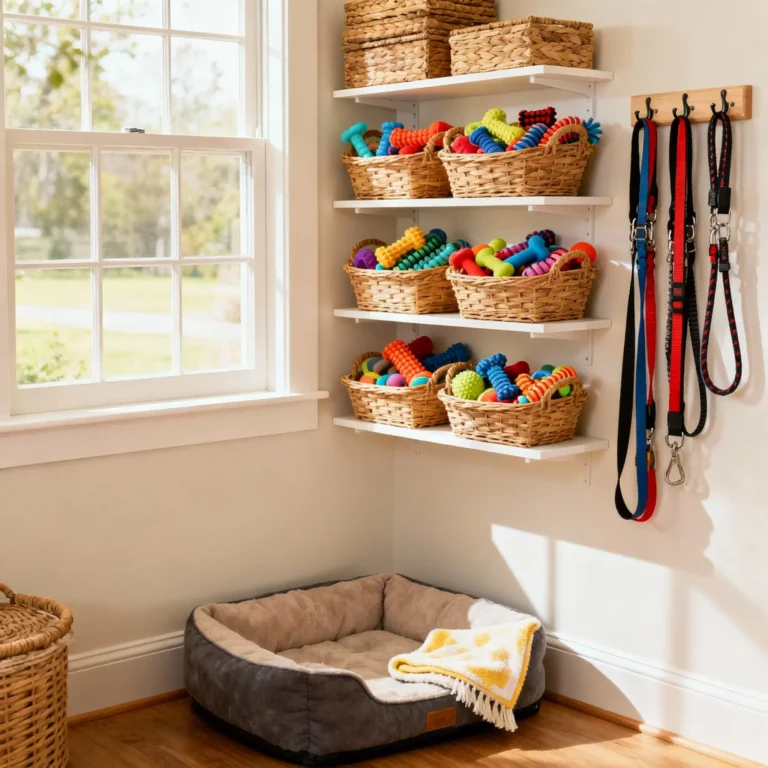
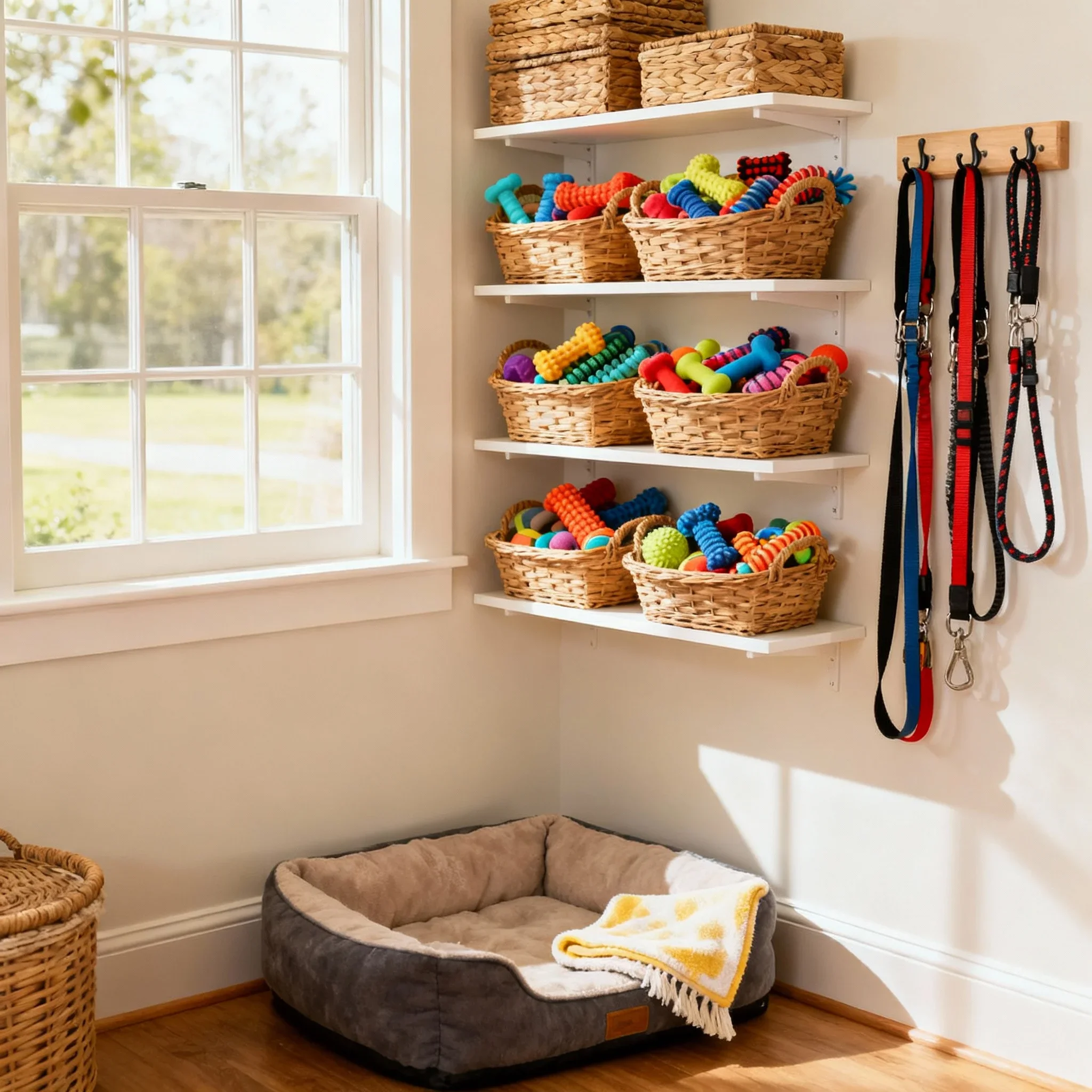
- Integrated shelving or cubbies designed for feeding, toys, and grooming accessories saves clutter and keeps the area tidy.
Safety and Hygiene in the Pet Area
Pet owners must ensure that the space meets cleanliness and health standards similar to their own household. Regular cleaning is crucial—vacuuming or sweeping weekly removes dander, hair, and possible allergens. Your dog’s or cat’s bedding should be laundered on a schedule determined by species and coat type. Cats with long fur may need daily brushing, while dogs prone to shedding often benefit from a weekly full‑dye shampoo, following instructions from the Veterinary Teaching Hospital at the University of California, Davis UC Davis.
Disinfecting surfaces with pet‑safe cleaners—such as a diluted vinegar solution or a pH‑neutral disinfectant—reduces the spread of parasites and bacteria. Store cleaning supplies behind a child‑proof lock to keep them away from curious pets. Additionally, position the pet area on a level surface to prevent injuries from sudden falls or unstable furniture.
DIY versus Custom Build for Your Pet Area
DIY projects can add a touch of personalization to the pet zone, especially if you enjoy woodworking or repurposing old furniture. A simple pallet bed with added cushions, for example, can be made in under an hour and offers a rustic aesthetic. When deciding on DIY, consider the durability: pets often chew on wood or metal. Using tempered or sanded surfaces protects both the animal and the surrounding space.
If you prefer a professional finish, hiring a contractor or designer can result in a tailored, long‑lasting solution. Custom built units can incorporate built‑in feeding stations, hidden waste receptacles, and climate control, all of which reduce daily maintenance. However, custom builds can be costly—budget estimates range from $600 to $1200 depending on materials and design complexity. Evaluate what level of customization aligns best with your lifestyle and financial goals.
Integrating Technology into the Pet Area
Modern pet care solutions make it easier to monitor and entertain your animal. Smart feeders release food at predetermined times, preventing overeating and easing your schedule. Cameras like the Petcube® or the Furbo allow you to observe your pet remotely, offering reassurance when you’re away. Automated toys, such as laser pointers or motion‑activated balls, keep active dogs mentally stimulated. While technology enhances convenience, the core of a pet area remains good ventilation and regular human interaction.
Adapting the Pet Area to Your Changing Lifestyle
Life cycles affect how a pet area should evolve. When you start a family, you may opt for a pet zone that is both child‑safe and easily sanitized. If your own schedule shifts, for instance a new remote‑work routine, you’ll want the space to double as a quiet corner for your pet and a study area for you. Seasonal changes also bring adjustments: a cooler climate may require insulated bedding, while hot weather might call for a shaded loft or indoor greenhouse.
To keep your pet area relevant, ask yourself quarterly, “What is the most time‑consuming activity I do with my pet?” Use the answer to adjust layout—perhaps adding a new exercise wheel or enlarging a designated lounging area. A flexible pet zone is an investment, and a well‑planned design can adapt as easily as a modular sofa.
Conclusion: Your Pet Area, Powered by Smart Design
When you combine thoughtful space planning, quality furniture, unwavering safety standards, and a touch of personal flair, you can create a multi‑use pet area that fits your lifestyle and delights your animal. Start by assessing your home, select pet supplies that meet both durability and hygiene standards, and tailor the design to accommodate future needs. Ready to transform your living space? Pick a corner, outline your budget, and let your pet area become a sanctuary for both your furry friend and your family.
Frequently Asked Questions
Q1. How do I choose the right size for my pet area?
Measure the space you intend to dedicate to your pet and add a 2–3 foot clearance around furniture. Consider your pet’s size, energy level, and habits; larger dogs need more room for movement, while cats can thrive in smaller niches. Align the size with your living space’s natural flow to avoid crowding.
Q2. What are the best cleaning practices for a pet area?
Vacuum or sweep weekly to remove dander and hair. Rinse bedding in hot water once a week, and use pet‑safe disinfectants on surfaces. Rotate toys and replace worn items to maintain hygiene and safety.
Q3. Should I install a pet bed or a crate?
A bed offers comfort and warmth for short rest periods, while a crate provides a secure, consistent sleeping spot. Many owners combine both: a crate for night sleep and a bed for daytime lounging or sleeping on your couch.
Q4. How can I keep my pet area tech‑friendly?
Add smart feeders, cameras, or automated toys to engage your pet while you’re away or busy. Ensure that all electronics are secure and out of reach to prevent chewing or accidental damage.
Q5. What should I look for when expanding my pet area?
Assess your lifestyle shift: new kids, remote work, or seasonal changes. Expand with modular furniture, add extra zones for grooming or a play area, and maintain ventilation to keep the space comfortable throughout the year.