Design Pet Spaces Naturally
Designing environments that honor a pet’s innate urges is essential for their health, happiness, and safety. By creating pet spaces that encourage natural behaviors, you help your animal reduce stress, stay active, and build confidence. This guide offers practical, science‑based steps to build rooms, areas, and amenities that reflect your furry friend’s instincts. Each section blends research, expert anecdotes, and actionable tips to bring your pet spaces to life.
Understand Your Pet’s Natural Drivers
Animals are wired for specific behaviors: cats chase, dogs dig, parrots preen. Recognizing these cues is the first step to matching the environment. According to Animal behavior science, satisfying instinctual demands decreases anxiety and destructive habits. Observe your pet for hours, noting how they roam, sleep, and interact with objects. Compile a list of preferred activities—digging spots, perching areas, or scent trails—to guide the layout of your pet spaces.
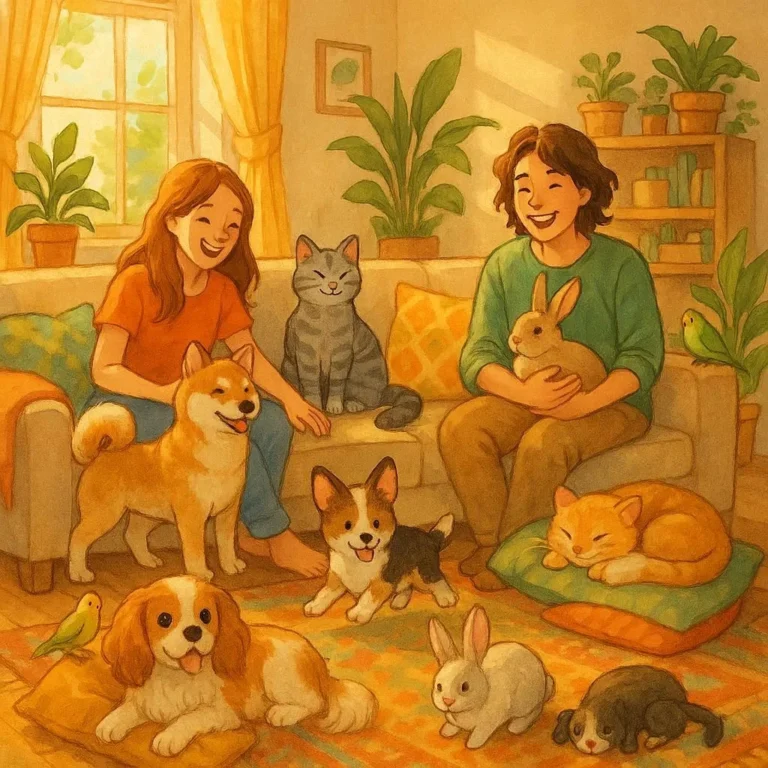
For pets that live in multi‑resident households, it’s also important to map out each animal’s comfort zones. Avoiding overlapping territories reduces rivalry and promotes peace. Attention to individual personality traits—whether a dog is territorial or a cat is skittish—enables you to fine‑tune spaces that cater to everyone’s needs.
Key Elements that Encourage Instincts
When planning pet spaces, several features repeatedly show strong benefits. These include: a safe “high ground” for cats, a soft, buried zone for small dogs, and visual barriers for birds. Environmental enrichment experts put emphasis on sensory balance: tactile, olfactory, auditory, and visual cues. Your pet spaces should let the animal smell, chew, climb, scratch, and socialize.
The following table illustrates how each sensory element can be applied to common pet types:
| Animal | Tactile | Olfactory | Aural | Visual |
|---|---|---|---|---|
| Cat | Soft bedding, climbable surfaces | Herbs like catnip or valerian | Gentle ticking of a mouse toy | Vertical space, diffused light |
| Dog | Sand or shredded paper zone | Scented logs or aromatic diffusers | Wind chimes or rustling leaves | Low horizon wall, photographs of animals |
| Bird | Branch arrangements for perching | Natural fruit or pollen | Hum of a fan or soft birdsong | Mirror surfaces, bright colors |
Flexible Zones for Exploration and Rest
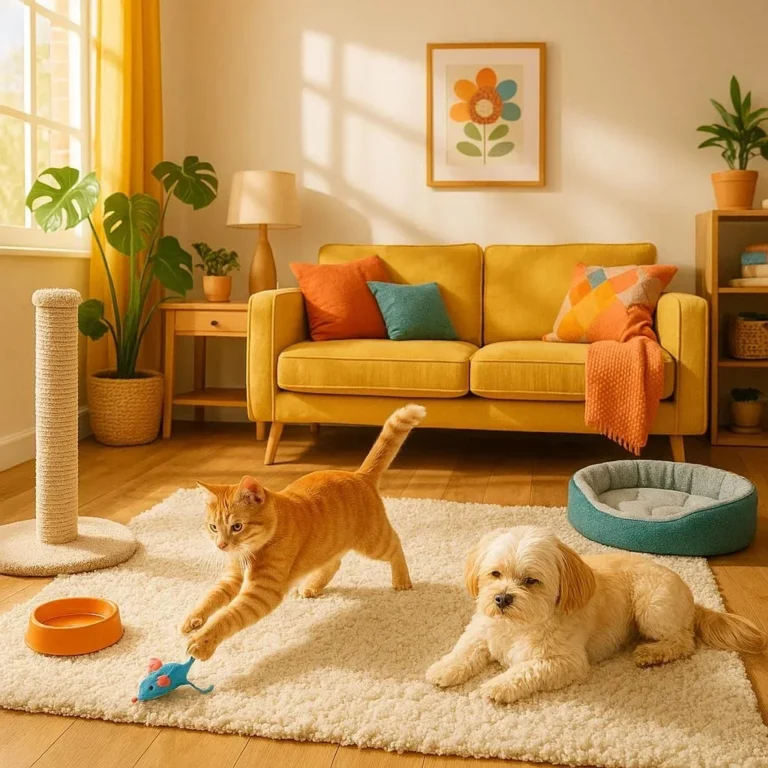
Divide your pet spaces into distinct zones: high‑energy, low‑energy, and transition areas. Many shelters use a modular layout, allowing owners to move its components easily. For example, a dog may enjoy a tangle of tunnels for days, while the same room may transform into a social lunge area. Adjust furnishings so that the pet can switch from a sun‑basking spot to a shaded nest in minutes. Keep pathways clear and wide enough for quick retreats, as animals will instinctively use these short routes when feeling threatened.
When experimenting, note which zones are most loved and which are ignored. Frequently re‑arrange to keep the environment novel, encouraging continuous exploration without causing overstimulation. The principle of ‘variable’ space ensures the pet remains mentally engaged over time.
Incorporating Sensory Stimulation
Pet spaces that mirror nature provide a multitude of stimuli. Use natural materials—wood, stone, and plants—to create microenvironments. Research from Environmental enrichment shows that mixing textures, scents, and sounds improves brain health. For dogs, a scented rug or a wind‑chime that hums can keep their mind occupied. Cats benefit from grazing on aromatic herbs and having a dangling toy that vibrates when touched. These simple additions help the animals feel grounded and satisfied.
Don’t overlook the role of sound. Soft background music for cats or rhythmic water sounds for dogs can help calm anxious animals. Consistency in these cues promotes a sense of safety and predictability, reinforcing positive exploration.
Encouraging Physical Activity and Play
Physical play is a cornerstone of natural behavior. For dogs, a protective design may include a long, enclosed alley for sprinting that taps into their prey drive. For cats, stippling faux foliage or a laser path encourages stalking motions. A key element is ensuring that play areas are safe—no small parts that can be swallowed and all edges are rounded.
Introduce interactive toys such as puzzle feeders, treat dispensers, or a hanging chew loop. The engagement level should be ramped up gradually; sudden high‑intensity play can lead to burnout or injury. Tracking exercise minutes and play duration helps you evaluate whether your pet’s needs are being met.
Practical Design Checklist
Preparing your pet spaces can feel daunting, but a step‑by‑step approach works best. Use the checklist below to keep your project organized. Follow these instructions in the order provided; they are designed to build complexity gradually.
- Measure the area and mark zones.
- Select materials that match the pet’s preferences.
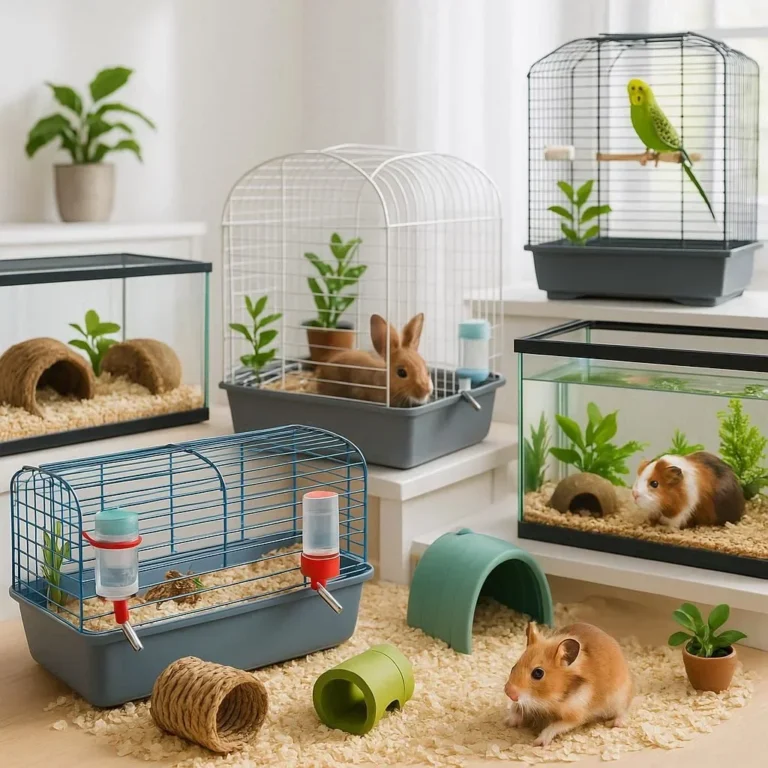
- Install safety features: no sharp edges, adequate ventilation.
- Place enrichment objects along pathways.
- Test the environment; observe adjustments.
- Iterate based on behavior changes.
- Maintain cleanliness and regular inspections.
Ready to transform your home into a haven for natural play? Begin designing pet spaces that nurture instincts today.
Frequently Asked Questions
Q1. How often should I update my pet’s spaces?
Changes every 4–6 weeks keep the environment stimulating and prevent boredom. Evaluate your pet’s reactions and adjust the placement of toys or bedding accordingly.
Q2. Can I use a single space for both cats and dogs?
Yes, but separate zones will reduce conflicts. Use climbing posts for cats and a dig‑area beneath a garden for dogs, for example.
Q3. What safety precautions are important when building pet spaces?
Avoid sharp corners, toxic plants, and unsecured electrical cords. Ensure that all furniture is stable and that small parts that could be swallowed are removed.
Q4. How do I encourage my pet to use the new spaces?
Positive reinforcement—treats, praise, and gentle petting—helps. Keep initial sessions short and reward exploratory behavior.
Q5. Are there any research studies that confirm the benefits?
Yes. Studies published by the FDA Animal Welfare program show reduced stress in animals with enriched habitats.