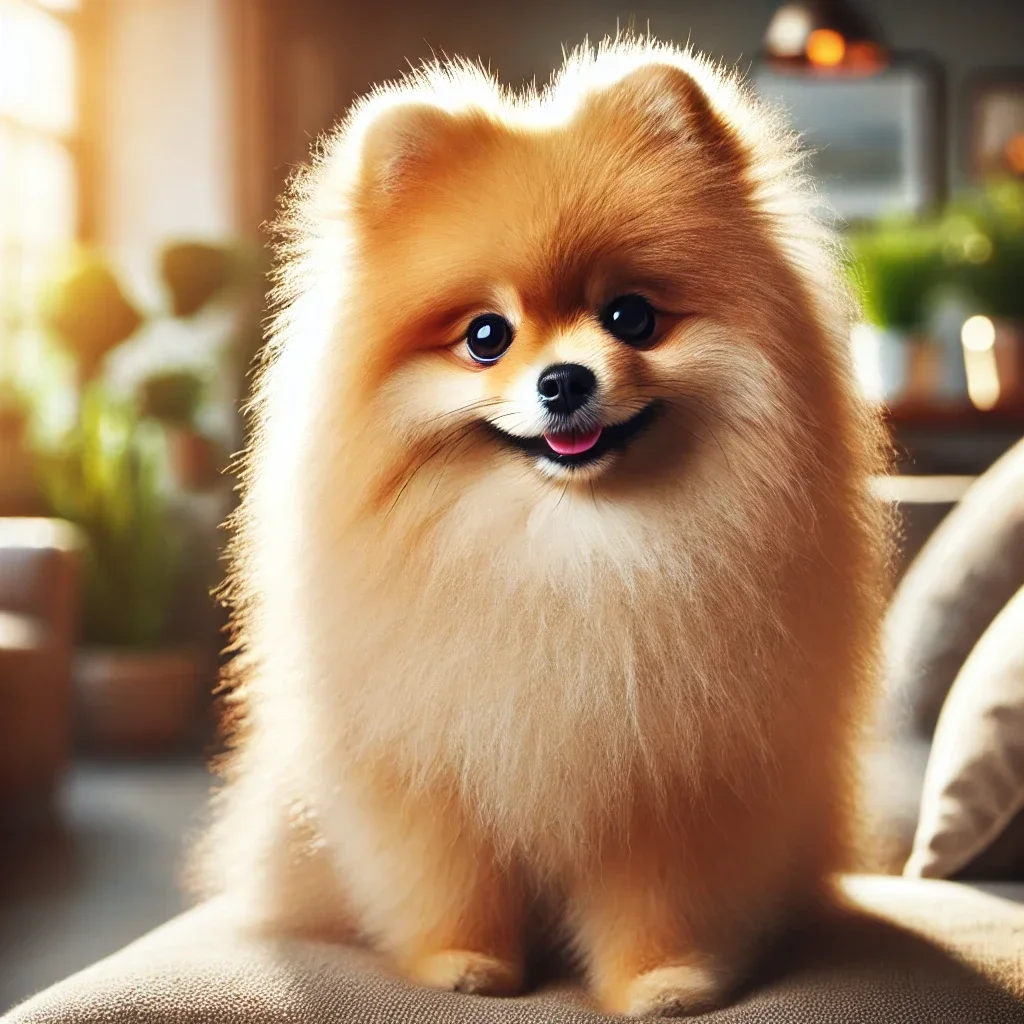
Teach Your Dog Tricks
Teaching your dog fun and useful tricks is a rewarding journey that strengthens bonds, boosts confidence, and enhances obedience. By focusing on positive reinforcement, clear signals, and consistent practice, you can help your four‑legged friend master a variety of impressive skills in a safe, enjoyable way. Whether you’re a new pet parent or an experienced handler, this guide offers step‑by‑step instructions that combine science, patience, and creativity to make learning memorable for both you and your dog.
Understand Your Dog’s Learning Style
Every dog learns differently, so starting with a clear assessment of your pet’s personality is essential. Observe whether your dog responds better to food, play, or verbal praise; this will determine which reward system is most effective for you. Mark A. L. Percival noted in the Dog training literature that dogs are innately adaptable, yet they often prefer immediate, high‑value rewards. Take a few minutes during each training session to adjust cues and rewards based on your dog’s reactions, ensuring the learning environment stays positive and engaging.
Teach Your Dog Basic Commands
Start with the foundational commands that set the stage for more advanced tricks: sit, stay, come, and down. These simple signals keep goal‑setting clear and reinforce obedience, making subsequent trick training smoother. Use a consistent verbal cue (“sit”), a physical gesture (lifting the palm), and a reward in tandem; repetition should reach 15–20 attempts per day until the action is automatic. A well‑mastered basic repertoire also improves safety in outdoor settings and during grooming visits.
Table: Common Commands & Visual Cues
| Command | Signal | Reward Type |
|---|---|---|
| sit | hands up, palm outward | favorite treat |
| stay | open palm forward | petting + treat |
| come | thumbs up, voice “come” | treat + clicker |
| down | flick down, wave | treat + praise |
Build a Strong Foundation with Positive Reinforcement
Positive reinforcement is the cornerstone of effective dog training. Instead of punishing mistakes, reward correct behavior promptly and consistently; this signals to your dog what actions yield benefits. Research from the American Kennel Club highlights that reward‑based methods increase trust and accelerate learning. Combine treat rewards with verbal praise and gentle touch to create a full‑senses reinforcement package that your dog will look forward to.
Use Clicker Training as a Precise Marker
The clicker offers a clear, non‑verbal signal that a desired behavior has just occurred. To start, associate the clicker sound with a treat by clicking and immediately offering the reward. Over time, the clicker alone tells your dog that a correct action was performed, allowing for more subtle cueing without constant treats. Many trainers recommend using a clicker for tasks that require precision, such as turning on a light switch or navigating a maze of obstacles.
Teach Your Dog Fun and Useful Tricks
Once your dog masters the basics, you can layer on more exciting commands like “roll over,” “play dead,” or “fetch.” Each new trick should be broken into small, manageable steps. For example, to teach “roll over,” start with a left‑turn lunge and reward each transition; gradually extend the rotation until your dog completes a full roll. Keep sessions short—eight to ten minutes—to avoid frustration, and always end with a positive reward or playtime.
Teach Your Dog Advanced Tricks
For seasoned pups, advanced tricks such as “balance” or “hear the bell” elevate training complexity. Balancing involves placing a simple wagon on a pallet and encouraging the dog to walk on it; once confident, increase height or add obstacles. Teaching the bell trick requires exposing the dog to a clipped bell, rewarding nose contact, and then encouraging the dog to ring the bell on command. These sophisticated behaviors not only impress, but also improve mental stimulation and physical coordination.
Gradual Complexity and Novelty
Introduce new tricks gradually to avoid overwhelming your pet. Use a stepwise approach, adding one new cue at a time while reinforcing previously learned behaviors. Novelty keeps training exciting; a rotating set of tricks—one fun command and one stewardship command—maintains interest. When your dog shows signs of frustration, revert to earlier steps before advancing further.
Consistency, Patience, and Safety
Consistency is key: schedule training at the same time each day, use the exact same verbal cues, and practice in the same environment. Patience is equally important; a dog that is rushing will often forget the cue. Always assess your dog’s energy level and avoid pushing too hard; a relaxed, confident dog learns faster. Safety precautions—secure your training area, use appropriate leash lengths, and monitor for signs of overheating—are essential for long‑term health and training success.
Use the Right Tools for Success
Equip yourself with a few essential items: a high‑quality clicker, a variety of tasty treat sizes, a small leash for controlled movements, and a bowl of water for hydration breaks. Consider using a harness for dogs that pull or for dogs that exhibit jumping. A lightweight training collar or a gradual pressure collar can help maintain posture during complex tricks; however, always follow the manufacturer’s guidelines and avoid harsh pressure.
- Clicker – precise cueing aid
- Small, high‑value treats – motivation that lasts minutes
- Water bowl – hydration breaks
- Training collar – posture support when needed
- Harness or leash – safety during movement
Incorporate Training into Daily Life
Make training a routine part of household activities. Use commands when opening doors, starting the car, or waiting at the curb. Each real‑world scenario reinforces the trick’s durability and practicality. Training in various settings—home, park, yard—ensures your dog applies learned behaviors in varied contexts, reducing frustration and increasing compliance.
Stay Informed: Resources and Support
Good training is supported by reliable information, so consult reputable sources like the U.S. Government Pet Care page, and specialized canine psychology research available on academic sites such as Journal of Veterinary Behavior. Additionally, engaging with local dog training clubs or online forums allows you to share best practices and stay updated on new techniques.
Final Words: Build a Life of Joy & Bonding
Teaching your dog fun and useful tricks is more than entertainment; it’s a practical way to improve communication, health, and happiness. By applying deliberate, positive methods and staying patient, your pet will grow into a well‑adjusted, confident companion. Start today, choose a trick that excites both of you, and enjoy the fulfillment that comes from a well‑trained dog. Ready to transform your daily life? Begin teaching your dog tricks now and unlock endless possibilities.
Frequently Asked Questions
Q1. How long does it take to teach a dog a new trick?
The learning time varies based on age, breed, and prior training. Generally, a simple trick can take 3–5 days of consistent practice, while complex behaviors may require several weeks. Consistency and positive reinforcement accelerate the process.
Q2. Can a senior dog learn new tricks?
Yes. Older dogs can acquire new skills, but sessions should be shorter and include breaks to avoid fatigue. Pair trick learning with mental stimulation to maintain sharpness.
Q3. What’s the best treat type for training?
High‑value treats—small, flavorful snacks—work best. Options include freeze‑dried liver, soft training treats, or small pieces of cheese. Keep treats low calorie to avoid weight gain.
Q4. How do I prevent my dog from becoming too excited during training?
Use calm, controlled body language, and pause when your dog shows signs of overstimulation. The use of a short leash can help maintain focus without restraining freedom.
Q5. What should I do if my dog refuses to perform a trick?
Check for health issues, ensure a clean training environment, and reassess the reward system. Sometimes breaking the trick into smaller steps or offering a new treat variety can re‑motivate them.