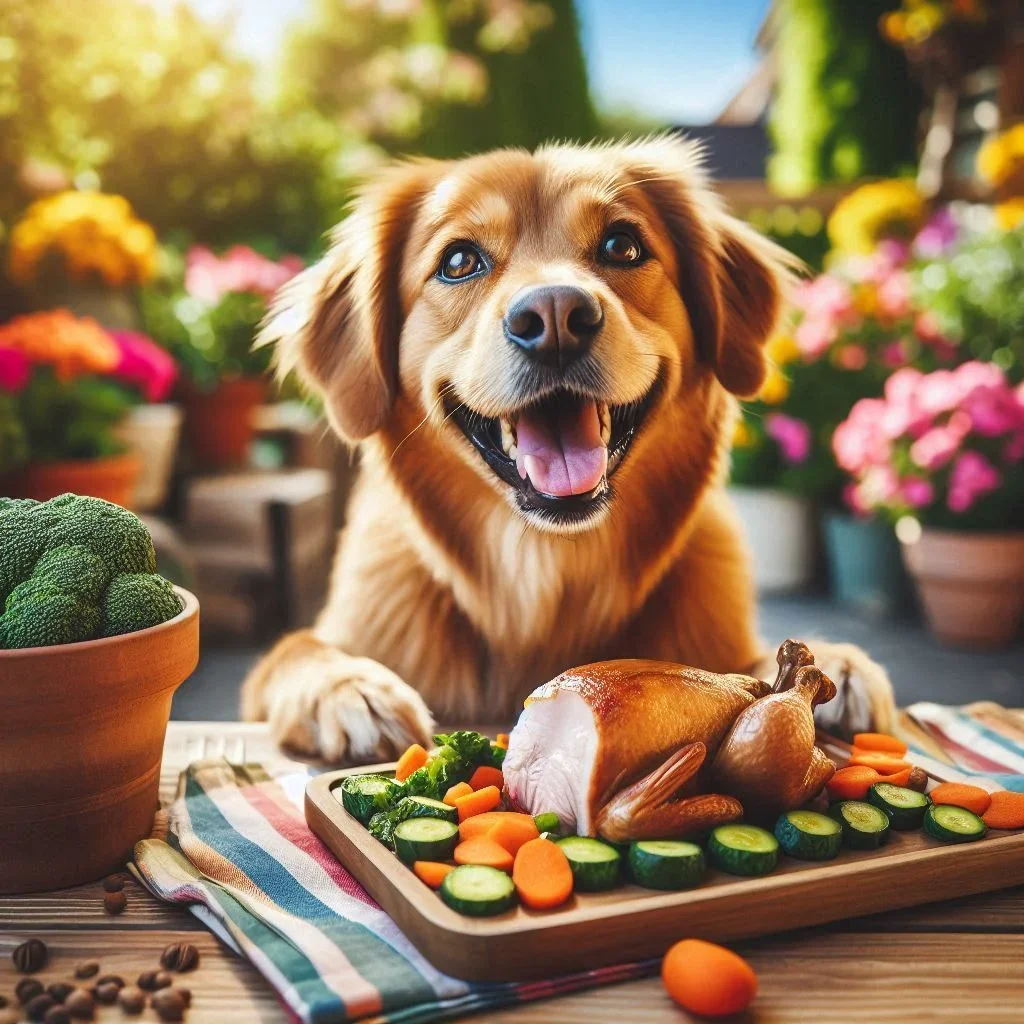
Elevated Feeding Station for Pets
As pets age, their joints and mobility can decline, making everyday tasks like eating feel like a workout. An elevated feeding station lifts food dishes a few inches off the floor, easing pressure on a senior pet’s hips and knees. This simple, DIY modification can transform mealtime from a struggle into a comfortable routine. In this guide, we show you how to build an elevated feeding station that is safe, sturdy, and custom‑tailored to your senior companion’s needs.
Elevated Feeding Station Design
The first step in building a reliable elevated feeding station is to choose a height that matches your pet’s stature and comfort level. Dogs typically prefer a height of 6–12 inches for higher breeds, while cats often find a 4–6 inch elevation sufficient. High‑quality furniture guidelines recommend a height no greater than 12% of your pet’s body height to prevent strain, as noted by the American Veterinary Medical Association (AVMA) in its AVMA Senior Pet Care resources. Including adjustable legs or a step ladder can accommodate pets of varying sizes. Keep the station free from sharp edges and slanted surfaces that could cause instability; a level base is essential for both safety and hygiene.
Materials for an Elevated Feeding Station
- Sheet Metal or Hardwood: Choose solid material that resists warping. Hardwood such as plywood or medium‑density fiberboard provides durability and easy cleaning.
- Legs or Mounting System: Adjustable legs or a sturdy frame of wood or metal stud ensures level placement. Stainless steel brackets add extra stability.
- Food‑Grade Slick Paint or Sealant: Prevents moisture absorption and bacterial growth.
- Non‑Slip Matting: Placed under bowls to keep food from slipping during feeding.
- Optional Velcro or Magnets: For lightweight, removable dispensing cups or silicone mats.
When selecting your supplies, prioritize items that are easy to disassemble for cleaning and that incorporate food‑grade materials. The University of California, Davis recommends non‑porous surfaces for elderly pets to reduce contamination risks. Cheap, corrugated cardboard may offer temporary solutions but lacks long‑term durability and can compromise safety.
Building the Elevated Feeding Station
Follow these steps to construct a stable, functional elevated feeding station:
- Measure and Cut the Base: For a standard 18‑inch diameter bowl, cut a circular platform 2 inches wider. Use a jigsaw or miter saw to ensure clean edges.
- Assemble the Frame: Attach four adjustable legs to the platform’s corners. If using wood, secure each leg with metal brackets and a Phillips head screw. Tighten the legs so the top surface remains horizontal.
- Paint or Seal: Apply a coat of non‑toxic, food‑safe paint. Allow it to dry fully before adding a final sealant to safeguard against moisture.
- Add Non‑Slip Matting: Cut a rubber mat to fit the bowl’s footprint. Secure the mat with double‑sided tape or a quick‑release hinge.
- Test for Stability: Gently rock the station to ensure it does not tip. Adjust leg length or add sandbags on the underside if needed.
Once the station is assembled, place an elevated feeder bowl and, if desired, a small water dish to keep the feeding area consolidated. For dogs, a feeder ground that is 6–8 inches tall is ideal, whereas cats typically benefit from a 4‑inch height to encourage easy access. You can also attach a pet‑grade pet door or small ramp if your senior pet has difficulty stepping up or down. The American Kennel Club stresses the importance of a stable platform to avoid accidents, as highlighted in Elevated Dog Trays Why You Need Them.
Safety Tips For Senior Pets
Even a well‑designed station can become hazardous if certain precautions are overlooked. First, keep the feeding area clean so that slip‑resistant surfaces are maintained. Second, regularly inspect the station for loose screws or worn legs—seasonal shifts can soften wood joints and reduce overall stability. Third, monitor your pet’s reaction to the new height; a senior cat that becomes anxious may need a gradual introduction or a lower elevation. Finally, consider adding a soft pad beneath the station so that should your pet lose footing, it will minimize injury. The United States National Institute for Occupational Safety and Health (NIOSH) provides guidelines on home safety for pets, which reinforces the importance of a stable feeding environment.
Table of Recommended Heights
| Pet Type | Recommended Height (inches) |
|---|---|
| Senior Dog (small) | 6–7 |
| Senior Dog (large) | 8–10 |
| Senior Cat | 4–5 |
| Senior Reptile | 2–3 (if applicable) |
Use this chart as a baseline, then adjust based on your pet’s weight, joint health, and mobility level.
Elevated Feeding Station Completion: When your chair‑height feeding station stands tall, it becomes a daily source of comfort for your senior companion. The elevation simplifies reaching the bowl, reduces strain on aging joints, and fosters healthier eating habits. If you’re ready to put this plan into action, gather your materials, follow the steps above, and give your senior pet the premium dining experience they deserve. Elevated Feeding Station—build it today for a happier, healthier tomorrow.
Frequently Asked Questions
Q1. How high should an elevated feeding station be for a senior dog?
A senior dog’s optimal feeding height is generally 6–12 inches, depending on its size and mobility constraints. The goal is to reduce flexion at the knee and hip joints. If your pet is large or stooped, a 10–12 inch height is often most comfortable.
Q2. Can I use a plastic bowl on an elevated platform?
Yes, plastic bowls are fine as long as they are sturdy and cover or stable on a flat surface. However, metal or ceramic bowls provide better weight for stability and are easier to spot for spills.
Q3. Is it safe to install an elevated station in a litter box area for cats?
Yes, as long as the station remains level and the cat’s litter area is free of clutter. A firm stand prevents wobbles, and ants or rodents can’t climb easily. Avoid over‑height; 4 inches is usually best.
Q4. How do I keep the elevated feeding station clean?
Surface wiping with a damp cloth or mild detergent is sufficient. If you use hardwood, reseal every 6–12 months to protect against moisture. Remove the mat gently for a separate wash cycle.
Q5. Should I consult a veterinarian before building an elevated feeding station?
A quick check with your veterinarian can confirm whether an elevated bowl is suitable, especially if your pet has orthopedic issues. Their guidance can help set the ideal height and address any health concerns.