Pet Toys from Recycled Materials
We all love seeing our pets play, and many of us want to keep their toys both safe and sustainable. Using recycled household items to craft playful companions for dogs, cats, and small animals not only lowers your carbon footprint but also gives you a chance to showcase creativity and love for your furry friends. By focusing on recycling, you immediately reduce landfill waste and divert conventional plastics, textiles, and other materials that would otherwise clog the planet. As a result, you get a dual benefit: an eco‑friendly arsenal of pet toys and a gratifying sense of contribution to a healthier environment.
Choosing Safe Materials for Pet Toys
Recycling is wonderful, but not every item should automatically qualify as a pet toy component. Safety them should be non‑toxic, smooth, and free from small detachable parts that might be swallowed. Wooden sticks, cotton yarn, and old fabric can become ideal building blocks when they are cleaned, treated, and secured properly. For instance, a EPA‑approved recycling process indicates that separating fibers and removing impurities are critical steps for safe reuse. Likewise, many recycling methods involve thorough rinsing—especially for plastic containers that may carry residues from previous contents. Always look for items that have undergone a sorting and sterilization process, and never use anything that could leach toxic dye or chemicals into a pet’s mouth.
Creative Pet Toys From Recycled Materials
Now that you’ve identified safe options, it’s time to imagine tangible projects. Below are three step‑by‑step DIY guides that turn everyday waste into engaging pet toys while satisfying the beloved need for texture, sound, and scent. These ideas are adaptable to dogs, cats, rabbits, or small birds, and the instructions rely on common household tools that create lasting fun.
Recycled Towel Tug Toy
1. Take an old bath towel or an unused t-shirt and cut it into strips about 3 inches wide. 2. Bundle several strips together into a thick rope. 3. Tie a secure** knot at each end. 4. Vary colors to enhance visual stimulation, and if desired, sprinkle a small amount of safe dried herbs like dried parsley to encourage chewing. This simple tug toy encourages gentle play and is fully washable with standard laundry detergent.
Cardboard Puzzle Box
1. Select a sturdy cardboard box, preferably from a cereal or snack container that has been rinsed clean. 2. Cut squares from the sides to create a puzzle board. 3. Inside fabricate small enclosures where the pet can retrieve treats, such as hidden kibble or a few dried peas. 4. Add a rubber band or a strip of fabric to allow the pet to pull up the enclosure, fostering mental stimulation. This box also doubles as a storage container for small bone‑sized toys, using up packaging that would otherwise sit in a drawer.
Fabric Bubble Wrapper
1. Prune an old quilt or patchwork clothing, cutting it into a 2‑by‑4‑inch square. 2. Layer the square with aluminum foil, bubble wrap, and another fabric strip. 3. Pin the edges together, leaving one corner opened for hand gripping. 4. Secure with a high‑strength thread or a small rubber band over the remaining corner. The squeaky bubble wall engages auditory senses and encourages pouncing, batting, and gentle mouthing. Because the toy is patchwork, it can be discontinued after several months of wear, allowing the materials to be donated or reverted to the recycling stream.
Maintenance of Pet Toys Made from Recycled Items
Whether you give your dog a cardboard puzzle or a towel rope, regular upkeep keeps every toy safe and fun. Optimal maintenance practices involve frequent inspections and clean‑ups. Start by wiping the toy with a damp cloth to remove dirt and residual saliva. For fabric or paper pieces, spot‑clean with mild soap or use a gentle vinegar solution to eliminate odorns. After cleaning, allow complete drying to prevent mildew. Pet safety guidelines from the American Veterinary Medical Association emphasize that loose fibers or broken edges can be hazardous, so inspect toys every two weeks for signs of wear, trimming frayed portions immediately.
Storing and Cleaning Pet Toys Sustainably
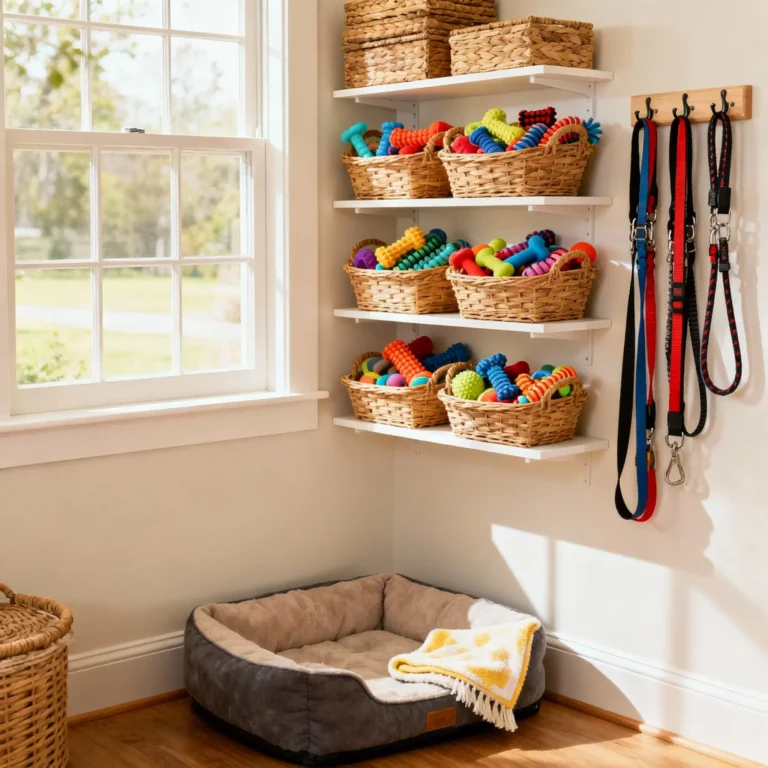
Storage is often overlooked, yet it’s a crucial part of a lifetime of safe play. Avoid tight, plastic bins that can trap moisture and create a breeding ground for microbes. Instead, use breathable cloth bags or open baskets that allow air circulation. For long‑term storage, vacuum‑seal play equipment that isn’t going to be used for at least a month, but always double‑check that none of the stuffing or tubing remains suspended in the vacuum bag, as long periods can lead to cryptic fungal proliferation.
Boosting Texture: Adding Natural Elements to Pet Toys
Many pets enjoy tactile stimulation, and natural textures can entice lifelong enjoyment. Consider weaving yarn through the towel rope, or adding a fresh rubber ball to a pile of cardboard pieces. Incorporating safe rubber elements further diversifies play patterns. Remember, natural elements may degrade over time, so replace them before they splinter or become too small to watch for ingestion hazards.
Eco‑Friendly Guidelines for Persistent Play
Eco‑friendly living also means that the toys we make should last. The Nature Conservancy defines sustainable consumption as minimizing the lifecycle impact of products. A simple way to adopt this principle in pet toy creation is by choosing durable fabrics like canvas or duck cloth, which outlast thinner cotton and maintain integrity over weeks of chewing or licking. When a toy finally shows wear, either repurpose its parts for a new project or recycle the content to keep the cycle intact. The result is not just a new toy, but a continuous sustainability loop.
Frequently Asked Questions
Q1. Are recycled pet toys safe for all animals?
Safety depends on the materials and craftsmanship. Use food‑grade fabrics, reliable knots, and avoid any small parts that can detach. Follow AVMA safety guidelines for best practices.
Q2. What is the best recycled material for dog chew toys?
Recycled rubber or well‑washed thick fabric can provide durable chew options. Avoid any soft, easily shreddery materials like old t‑shirts. Instead, choose heavy canvas or reinforced denim.
Q3. How frequently should I replace a recycled toy?
Inspect toys every two weeks for frayed edges or loose fibers. Replace or repair when the material becomes worn or presents potential ingestion hazards. Consistent assessment ensures safety.
Q4. Can I mix recycled materials from different sources in the same toy?
Yes, as long as each component is sanitized and safe. Mixing fabrics or paper with rubber can add tactile variety, but ensure no sharp edges remain.
Q5. Do recycled pet toys need special cleaning products?
Simple dish soap or mild detergent with warm water is usually sufficient. Avoid harsh chemicals that might leach into the walls or degrade the fabric.
Related Articles
Now that you have a clear roadmap for crafting pet toys from recycled materials, it’s time to roll up your sleeves, gather your found‑objects, and create something that delights your pets while honoring the planet. Every rope, box, or bubble wrapper you fashion signals a step toward a greener future. By sharing these projects with friends, families, or online communities, you can inspire a wave of responsible pet enrichment that makes your home a beacon of sustainability. Let’s turn yesterday’s leftovers into tomorrow’s tail‑wags—start today, and watch your pets thrive with every eco‑friendly creation you design. Make pets happy, keep waste low, and build a brighter world for all—one recycled toy at a time!