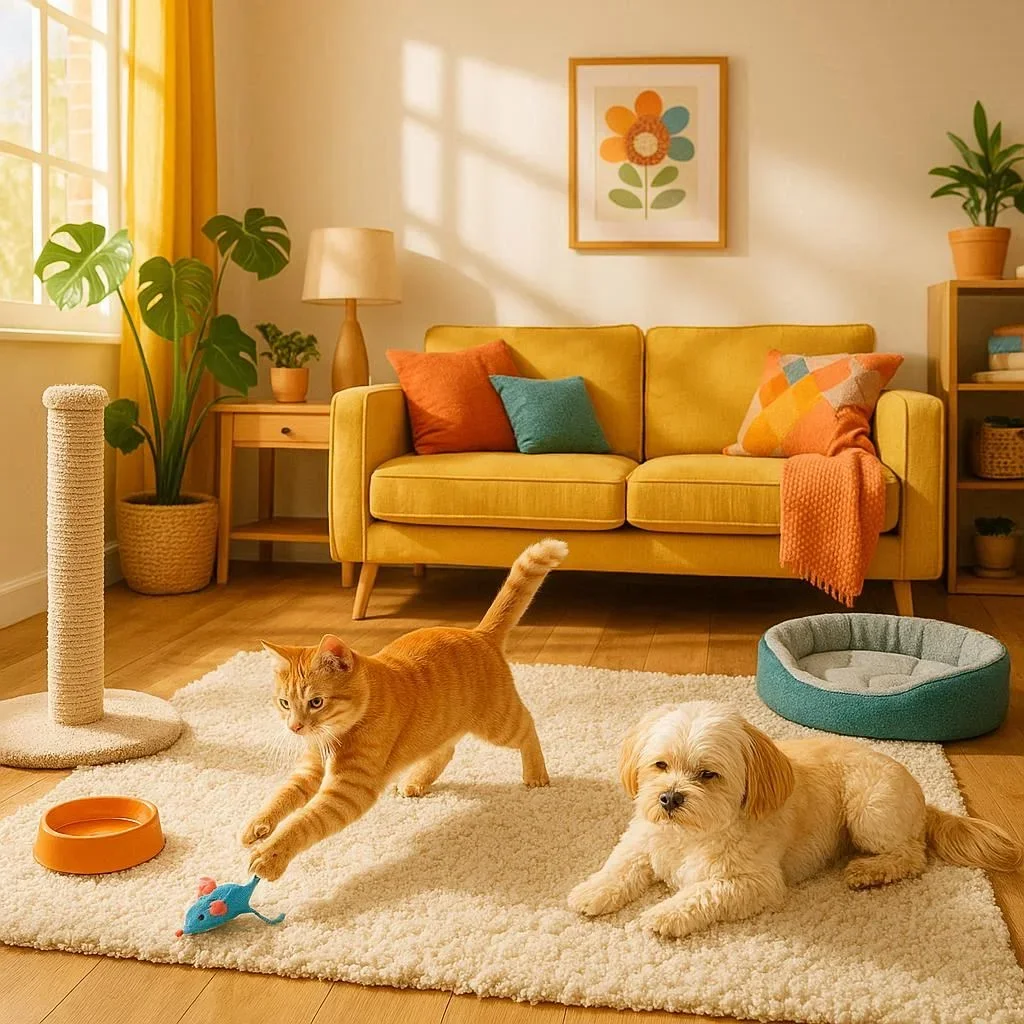
Vertical Space for Cats
Vertical space is one of the most essential components of a stimulating and healthful environment for cats. They are natural climbers and jumpers, seeking high platforms to survey their territory. When verticality is limited, they may become bored, stressed, or depressed. By providing ample vertical space, you help your feline thrive.
Studies from Cornell University’s Center for Veterinary Research confirm that access to vertical opportunities reduces behavioral issues. The Cornell research team noted a significant drop in pacing and destructive nibbling after adding cat shelves and towers. Cats also show improved sleep patterns near vertical perches. These findings highlight how vital vertical space is for overall wellbeing.
Understanding Vertical Space Needs
Cats naturally use vertical structures to escape predators and to spot prey from a safe distance. Their anatomy provides this capability, with flexible spines and powerful hind legs that allow them to leap far above ground. A vertical cat tree offers a similar environment that engages these instinctual drives. The “vertical space” terminology refers literally to the height dimension available in their habitat.
Benefits of Vertical Space for Cat Health
Vertical enrichment yields many advantages. Consider these key benefits:
- Physical fitness: Climbing builds muscle tone and joint flexibility.
- Stress reduction: Elevated perches provide a sense of safety.
- Behavioral enrichment: Vertical play curbs destructive scratching.
- Improved sleep: Cats sleep best when they feel secure in height.
Research from the RSPCA confirms that cats with access to high perches display lower cortisol levels. This endocrine evidence illustrates the calming effect of vertical platforms. In home settings, balanced vertical opportunities can replace the need for expensive behavior modification programs.
Practical Ways to Incorporate Vertical Space
There are many affordable methods to create vertical environments for cats. Starting with simple wall‑mounted shelves delivers instant height and allows for a versatile layout. Next, use free‑standing cat towers that combine scratching posts with padded platforms. Additionally, repurposing ladder rungs or installing tree climbers offers variety. Each solution should feature sturdy construction and non‑slip grips.
When mounting shelves, secure them with heavy‑duty brackets and ensure that the weight capacity exceeds that of your cat. Choose materials that are easy to clean, such as wood or vinyl. Avoid loose paint or glossy finishes that can deter traction. For a natural feel, consider adding faux grass or soft textiles to the top perches. These details mimic outdoor settings and encourage exploration.
Kittens need early exposure to vertical stimuli to develop proper proprioception. Provide a vertical playpen or a small tower during the first six months of life. This helps them learn safe jumping techniques. Over time, gradually increase the height and complexity of the structures to maintain interest.
Designing a Cat‑Friendly Vertical Environment
When planning your vertical layout, consider the following design criteria:
- Safety: Ensure that every perch is stable and that the cat cannot slip.
- Variety: Mix surfaces such as carpeted pads, rough bark panels, and smooth glass.
- Accessibility: Install horizontal walkways or “sky bridges” to link levels.
- Decluttering: Keep the area clear of dangerous cords or chemicals.
Choose natural wood planks for durability or fiberboard for budget options. Fiberboard should be wrapped in soft fabric to reduce scratching. When using metal brackets, seal the edges to prevent rust. The use of organic cotton or hemp yarn can also give cats a tactile experience that mimics foliage.
Monitoring and Adjusting Vertical Enrichment
Once the vertical structure is installed, monitor your cat’s interaction patterns. Notice whether certain perches are preferred over others and whether play involves climbing or merely resting. Record changes in scratching behavior or vocalization. Adjust the layout as needed, adding or removing levels to keep the environment fresh.
Some tech accessories, like motion-activated LED panels, can heighten engagement. However, avoid overwhelming your cat with constant stimuli. Keep lighting subtle, especially before bedtime. This aligns with recommendations from feline behavior specialists on optimal nighttime conditions.
Introducing too many changes at once may cause anxiety. Gradual alterations, such as adding a single shelf each week, are safest. By keeping routine predictable, you reinforce secure attachment between you and the cat. The result is a calmer, more confident animal.
Veterinarians often recommend at least one high perching area. The American Veterinary Medical Association advises owners to follow a “three‑tier” system: ground level, intermediate, and elevated. This structure aligns with the natural height stratification cats prefer in the wild. The American Veterinary Medical Association advises owners to follow a “three‑tier” system: ground level, intermediate, and elevated. Cat Health enrichment.
For more detailed guidance, consult the Cornell Vet research page on feline behavior here. They publish evidence‑based practice guidelines that support vertical enrichment as a core component of feline care.
Choosing the Right Perch Height
Determining the optimal perch height depends on your cat’s size, activity level, and personality. A small kitten may comfortably occupy a low platform, whereas an older, larger cat might prefer a perch halfway up a tall tree. Measuring between 2 and 4 feet from the floor is a good starting point for most adult cats. Always test the perch in a controlled environment before full installation.
Safety Tips for Vertical Installations
Safety should be your top priority when adding vertical structures. Ensure the platform’s weight capacity accommodates the heaviest cat allowed in your household. Secure brackets to studs or use heavy‑duty anchors for floor‑mounted shelves. Regularly inspect screws and joints for wear, as loose connections can lead to falls. If any part shows wear, replace or reinforce immediately.
Behavioral Signs of Success
After installation, look for behavioral indicators that your cat feels comfortable. A well‑adjusted cat will climb spontaneously to higher levels and rest peacefully. You should notice a decrease in vocalization or irritability when vertical space is available. Additionally, a cat that uses multiple perches across levels is showing healthy exploration.
Vertical Space and Cat Sleep Cycles
Cats are crepuscular and often sleep for 12–16 hours daily. Vertical perches provide a secure spot that aligns with their natural predatory instincts. Studies show cats sleeping on elevated surfaces report lower stress hormones than those on flat surfaces. Consequently, a thoughtfully designed vertical layout can improve sleep quality and reduce agitation.
Start building vertical adventures for your kitty today and watch them revel in newfound freedom. Explore our range of cat trees, shelves, and climbing accessories to give your feline the environment it deserves. Contact us or visit our shop for expert advice.
Frequently Asked Questions
Q1. What is vertical space enrichment?
Vertical space enrichment involves creating or adding platforms, shelves, and climbing towers that allow cats to jump, climb, and perch at height. It stimulates their natural hunting and escape behaviors, reducing boredom and stress.
Q2. How high should perches be?
Perches should range from 30 to 48 inches above the floor for most cats. Adjust based on your cat’s size and jumping ability, and ensure they can reach down safely with a soft landing surface.
Q3. Can old furniture provide vertical space?
Yes, tables, bookshelves, or even a tall dresser can serve as vertical surfaces if they are stable and safe. Consider adding non‑slip pads or safety nets to prevent falls.
Q4. Should I use cat litter boxes on high platforms?
It’s generally best to keep litter boxes on the floor. Cats prefer a firm, easy‑to‑enter surface, and high placement can encourage accidents or stress.
Q5. How do I prevent my cat from falling?
Secure each perch with heavy‑duty brackets and regularly check for loosening bolts. Install a safety rail or mesh barrier at the edge of platforms to stop slips, and keep your cat’s claws trimmed to reduce grip issues.