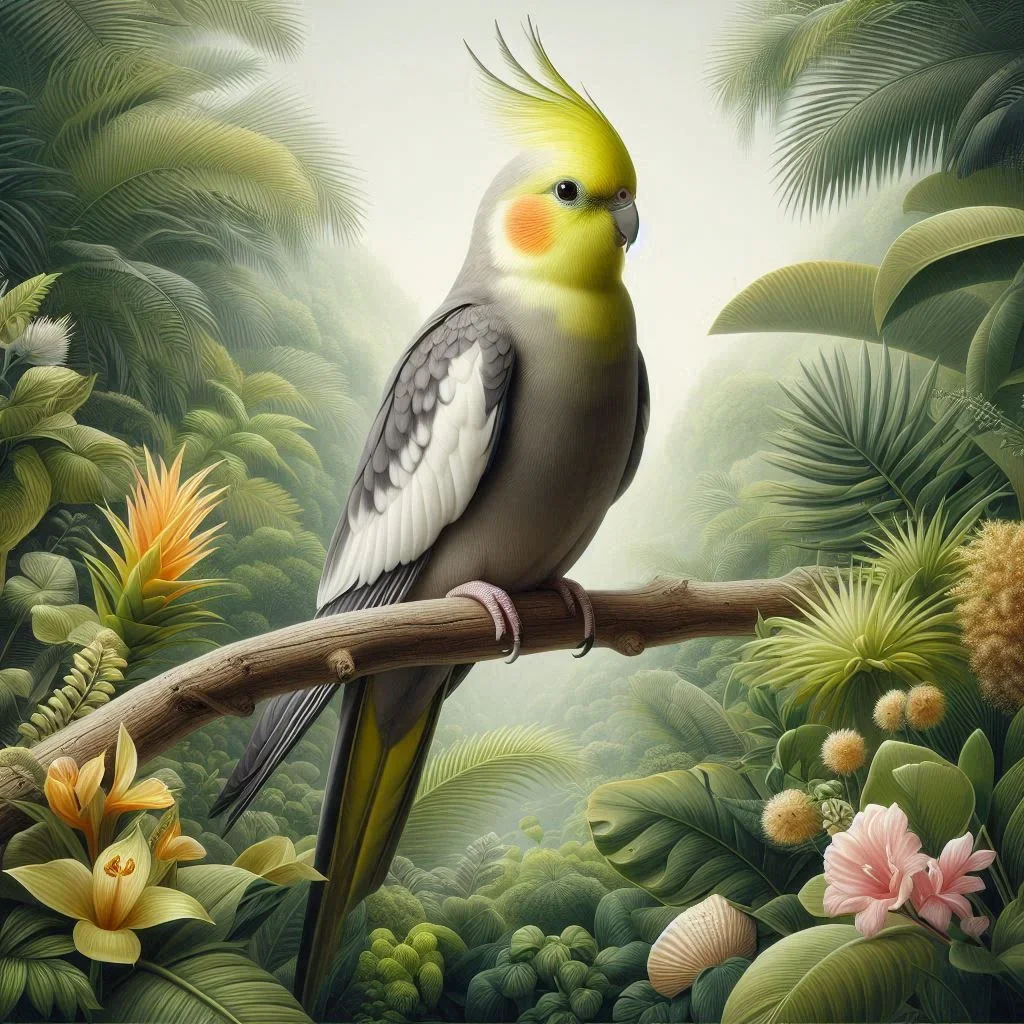
Recognizing Nutritional Deficiencies in Pet Birds
Pet birds need a balanced diet rich in vitamins, minerals, and proteins to thrive. Even a small lapse in nutrition can lead to serious health problems, from feather loss to organ failure. Understanding what a nutritional deficiency looks like and taking timely action can be the difference between a vibrant, lively bird and one that loses its spark. In this guide, we will walk you through the key signs, diagnosis, treatments, and preventive strategies for recognizing and treating nutritional deficiencies in pet birds, ensuring your feathered companion remains healthy and happy.
Understanding Nutritional Deficiencies
Nutritional deficiencies occur when a bird’s diet lacks essential nutrients in sufficient quantities. The most common deficits involve vitamins such as A, D, and E, along with minerals like calcium, iron, and zinc. These deficiencies can stem from improper commercial formulas, inadequate fresh food, or dietary preferences that exclude needed foods. An expert in avian nutrition notes that each species has unique dietary needs; for instance, psittacines require higher levels of vitamin C than other birds. When a bird consistently misses these critical nutrients, its body may show outward signs that can be subtle but are significant to a vigilant owner.
Common Signs in Pet Birds
Spotting a deficiency early hinges on noticing changes in behavior, appearance, and health. The following red flags often surface months before more serious complications develop:
- Feather Condition Issues – Feathers may become dull, brittle, or show patchy regrowth.
- Behavioral Lapses – An otherwise active bird may appear lethargic or exhibit strange feeding habits.
- Dental Problems – Overgrowth or misalignment of beaks can result from improper calcium or vitamin D intake.
- Digestive Disruptions – Frequent soft droppings or constipation may indicate low fiber or vitamin A.
- Immune Suppression – Increased susceptibility to infections or slower wound healing highlights a weakened immune system.
A regular observation schedule helps you catch these subtle shifts. Keep a journal of your bird’s daily activities, feeding times, and any changes in droppings or feather health. This record can be invaluable when you do seek professional help.
Diagnosing the Problem
Once symptoms surface, a thorough diagnosis becomes critical. Veterinarians typically follow a multi-step approach:
- Physical Examination – Checking body condition, feather quality, and beak health.
- Blood Analysis – Measuring levels of calcium, vitamin D3, iron, and other key nutrients.
- Dietary Review – Understanding everything your bird consumes, including commercial feeds, fresh foods, and supplements.
- Microscopic Inspection – Analyzing droppings for parasites or digestive irregularities.
Veterinarians use resources such as the Avian Nutrition page for reference and the USDA’s nutrient database to compare ingredient values. The process often involves collaboration with an avian nutritionist to develop a targeted feeding plan.
Effective Treatment Strategies
The treatment plan hinges on the specific deficiency identified. Below are primary interventions that have proven effective across many bird species:
- Dietary Adjustment – Switching to a species‑specific commercial formula or adding fresh fruits, leafy greens, and nuts to meet vitamin and mineral quotas.
- Supplementation – Administered orally or via syringe, including vitamin D3 capsules, calcium powders, and iron drops as needed.
- Environmental Enrichment – Providing perches, foraging toys, and varied textures encourages natural foraging behaviors and improves nutrient intake.
- Medical Intervention – In severe cases, subcutaneous iron therapy or injectable vitamins may be required.
- Monitoring Progress – Follow up with periodic drop checks and repeat blood work to track recovery.
Below is a sample supplementation table for common deficiencies, referencing the Cornell Avian Medicine guidelines:
| Deficiency | Typical Symptom | Supplement Type | Dosage Guideline |
|---|---|---|---|
| Vitamin A | Feather shedding | Vitamin A capsules | 2,000 IU daily per 1 kg body weight |
| Vitamin D3 | Beak overgrowth | Vitamin D3 spray | 5 µg/kg body weight per day |
| Calcium | Edema or bone pain | Calcium powder with vitamin D3 | 250 mg/kg body weight per day |
| Iron | Dark droppings, weakness | Iron syrup | 0.5 mg/kg body weight per day |
By tailoring treatment to the bird’s specific needs, owners can accelerate recovery and prevent relapse. Always coordinate supplement use with a qualified avian veterinarian.
Preventing Future Deficiencies
Prevention is a cornerstone of avian health. Implement the following best practices to guard against deficiencies:
- Provide a balanced mix of seed, pellets, and fresh produce, ensuring that the pellets make up a healthy proportion of the diet.
- Rotate fresh foods weekly to maintain variety and reduce the risk of nutrient gaps.
- Use a high‑quality commercial feed specifically formulated for your bird’s species and age group.
- Maintain a clean and safe environment, reducing stress that can affect appetite.
- Schedule annual vet check‑ups to monitor weight, feather condition, and overall vitality.
Educating yourself with reputable resources—such as the USDA Nutrient Database or the American Association of Avian Physicians website—provides up‑to‑date guidelines and research for optimal feeding strategies.
Conclusion: By staying alert to the signs of nutritional deficiencies and acting swiftly with proper diagnosis, treatment, and preventive care, you can give your pet bird the healthy, vibrant life it deserves. Consistent vigilance and informed nutrition planning are vital for preventing costly health setbacks. Don’t wait for symptoms to worsen—start today to recognize and treat nutritional deficiencies in pet birds, ensuring a bright future for your feathered friend.
Frequently Asked Questions
Q1. What are the most common nutritional deficiencies in pet birds?
The most frequent deficits involve vitamins A, D, and E, as well as minerals like calcium, iron, and zinc. These often arise from inadequate pellet use or a diet heavily reliant on seeds alone.
Q2. How can I tell if my bird needs a supplement?
Watch for feather loss, dull plumage, lethargy, or unusual droppings. Consult a veterinarian for a blood test to confirm any nutrient drop before adding supplements.
Q3. Can commercial pelleted diets replace fresh foods entirely?
Pellets provide a consistent nutrient base but should complement fresh foods to offer fiber, variety, and essential phytonutrients that pellets may lack.
Q4. How often should a bird be checked by a vet for nutritional health?
Annual examinations are a minimum; birds with known deficiencies or chronic conditions may need re‑checks every three to six months to monitor recovery.
Q5. What should I avoid giving my bird to prevent nutritional imbalance?
Avoid avocado, chocolate, alcohol, and raw eggs. These can disrupt nutrient absorption or introduce toxins that interfere with overall nutrition.