Managing Destructive Chewing Daily
Every canine owner has, at some point, found themselves staring at torn couch cushions, chewed shoes, or ruined toys, feeling the frustration of destructive chewing. This common behavior can be frustrating, but it offers clues about a dog’s needs, and with the right approach, you can transform a destructive habit into a playful, healthy activity. The following guide breaks down destructive chewing by breed, explains why dogs chew, and offers a suite of evidence‑backed strategies to protect your home while meeting your pet’s needs. By the end, you’ll be equipped to identify chewing triggers, select appropriate chew items, train with positive reinforcement, and know when professional help is warranted.
Destructive Chewing Signs
Destructive chewing often manifests early in puppyhood, but it can persist into adulthood if not addressed. Key indicators include chewing in odd places—under furniture, on electrical cords, or inside shoes—and the inability of a dog to resist the urge to gnaw on objects once their tongue is licked. These behaviors can signal boredom, anxiety, teething pain, or nutritional deficiencies. Studies from the American Veterinary Medical Association indicate that dogs with limited mental stimulation are more likely to exploit household items as chew targets.
- Chews with a distinctive rubber or plastic smell.
- Chewing that coincides with periods of inactivity.
- Recurrent oral injuries requiring veterinary intervention.
- Frequent changes in chewing preference—switching from toys to furniture.
Breed‑Specific Chewing Habits
Understanding how different breeds channel their chewing instinct can help owners tailor prevention strategies. The following breeds are known for their particular tendencies and the best ways to satisfy them.
- Bulldogs – Bulldogs often chew on softer items like blankets, which satisfy their chewing reflex without damaging furniture. Providing a thick, durable chew toy can redirect this instinct.
- Border Collies – This high‑energy breed can develop destructive chewing if mental stimulation is lacking. Puzzle feeders and agility equipment are proven to mitigate this risk.
- Labrador Retrievers – Labs have a strong tendency to chew in the first year of life. Treat‑dispensing toys can keep their mouths busy while they adjust to chewing rules.
- Shih Tzus – Smaller breeds often show excessive chewing due to teething. Chewing opportunities with soft items help soothe gums and prevent damage to nails or furniture.
Destructive Chewing Prevention Strategies
To reduce destructive chewing, integrate a multi‑layered approach that covers mental enrichment, physical exercise, chew provision, and environmental management. Research from the Wikipedia Animal Behavior page suggests that dogs benefit from a combination of mental and physical challenges.
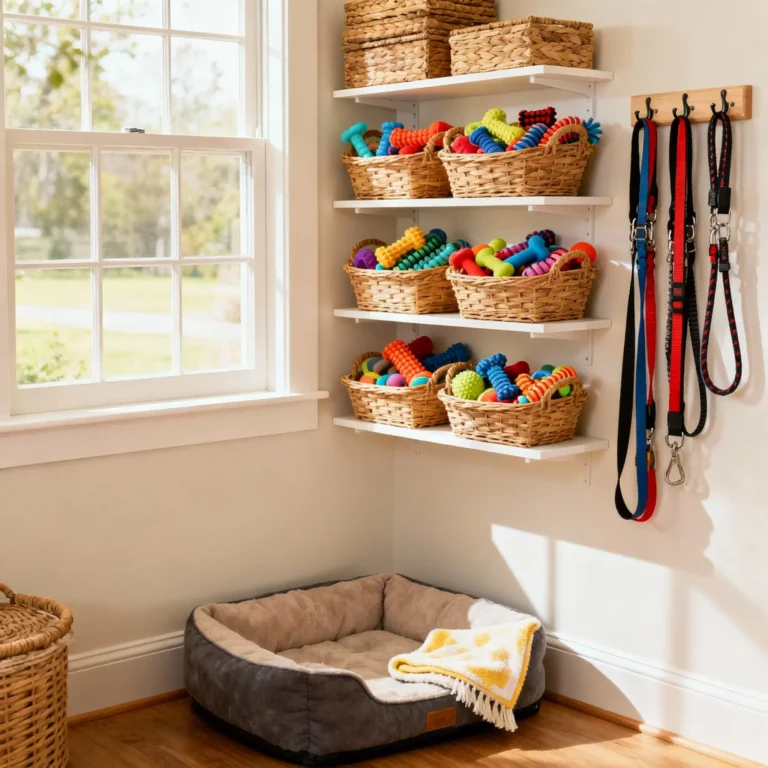
- Provide a variety of safe chew toys – from rubber bones to nylon puzzles.
- Rotate toys weekly to maintain novelty and reduce boredom.
- Ensure daily walks or play sessions that expend excess energy.
- Use “chew deterrents” like bitter sprays on furniture to discourage access.
- Maintain a consistent schedule for feeding, play, and rest to reduce anxiety triggers.
Managing Destructive Chewing Training
Training is most effective when it leverages positive reinforcement coupled with clear boundaries. For destructive chewing, the “chew command” is a simple cue; a clear “no chew” reinforced by gentle redirection can shape behavior over time.
- Step 1 – Identify the target: When the dog shows a chewing intent, calmly say “no chew” and remove the item.
- Step 2 – Offer a suitable substitute: Present an approved toy and reward the dog with praise or a treat.
- Step 3 – Reinforce consistency: Repeat daily, ensuring the dog understands that only approved items are suitable.
- Step 4 – Gradual freedom: Once the dog reliably chooses the correct item, allow supervised unsupervised time to reinforce trust.
Consistent daily practice coupled with patience promotes long‑term compliance. An article on the American Kennel Club site stresses the importance of immediate feedback during training, a principle that applies to destructive chewing corrections as well.
When to Seek Professional Help
If destructive chewing persists despite diligent training, or if it accompanies behavioral issues such as vocalization, digging, or sudden aggression, it may signal deeper psychological concerns. A professional trainer or veterinary behaviorist can conduct an individualized assessment and recommend strategies such as behavior modification plans or, when necessary, medication.
Seeking timely help prevents escalation and ensures both your pet’s safety and your home’s integrity. Moreover, a qualified specialist can provide nutrition guidance to rule out deficiencies that may exacerbate chewing instincts.
Take the first step toward a happier, less destructive home. Start by identifying chewing triggers, providing the right toys, and training with positive reinforcement. You can protect your belongings and keep your canine companion healthy—begin today!
Frequently Asked Questions
Q1. What is the main reason dogs chew on destructive items?
Destructive chewing often stems from boredom, anxiety, or a natural need to explore scents and textures. Puppies also chew to soothe teething pain. Understanding these motivations helps target effective solutions.
Q2. Can I simply use deterrent sprays on my furniture?
Deterrent sprays, such as bitter apple solutions, can discourage chewing but are not a stand‑alone fix. They should be combined with adequate chew toys and training for lasting results.
Q3. How often should I replace my dog’s chew toys?
Toy replacement depends on wear, but a general rule is to rotate and assess monthly. If a toy shows signs of degradation, softening, or pieces falling off, replace it immediately to prevent choking.
Q4. Should I use different toys for each breed?
While all dogs benefit from chew items, breed-specific preferences—such as a firm toy for a Border Collie versus a softer chew for a Bulldog—enhance engagement and reduce destructive impulses.
Q5. When is it safe to let my dog chew without supervision?
Only after the dog has consistently chosen appropriate chew toys in controlled settings. Supervised periods, starting with short intervals and gradually increasing, ensure safety while building trust.