Pet-Friendly Meditation Corner Design
The serene rhythm of a pet-friendly meditation corner can transform your home into a sanctuary that nurtures both mind and furred companion. A well‑designed space offers a quiet refuge where you practice breathwork while your dog, cat, or rabbit watches comfortably nearby. By consciously choosing materials, lighting, and layout that respect your animal’s safety and your own tranquility, you create an environment where mindfulness thrives. Research from the American Psychological Association shows that shared calm activities can improve stress scores in both people and pets. With the right set‑up, a pet‑friendly meditation corner becomes more than a room; it becomes a harmonious partnership that fuels well‑being for all residents.
Choosing the Right Space for Your Pet-Friendly Meditation Corner
The first step is selecting a quiet enclave away from everyday noise. A hallway, a spare bedroom or a corner of the living room that rarely sees traffic works well. The space should feel like a retreat, free from distractions such as televisions, loud appliances or high‑traffic routes. A calm environment helps you settle into a posture that feels natural and encourages a steady breathing rhythm, similar to core principles of Meditation practice.
The optimal corner benefits from gentle, indirect sunlight. Position a floor lamp or a small cluster of LED strips with a dimmer to create soft, circadian‑aligned light that can soothe both you and your pet. Natural light has been shown by the National Institutes of Health to regulate circadian rhythms, improving sleep quality for humans and pets alike. A window that can be opened for fresh air—yet protected by a fine mesh—lets your companion feel connected to the outdoors without risk.
Finally, eliminate potential hazards. Ensure all cords are tucked away or covered, and that furniture edges are rounded or padded. A low‑profile rug with a non‑slip backing keeps pets from slipping. Use washable, hypoallergenic covers for cushions and blankets, and store small items out of reach so that curious paws don’t ingest unwanted objects. By combining tranquility, light, and safety, you lay the foundation for a pet‑friendly meditation corner that invites both breathwork and playful companionship.
Furniture and Décor: Balancing Comfort and Safety for Your Pet-Friendly Meditation Corner
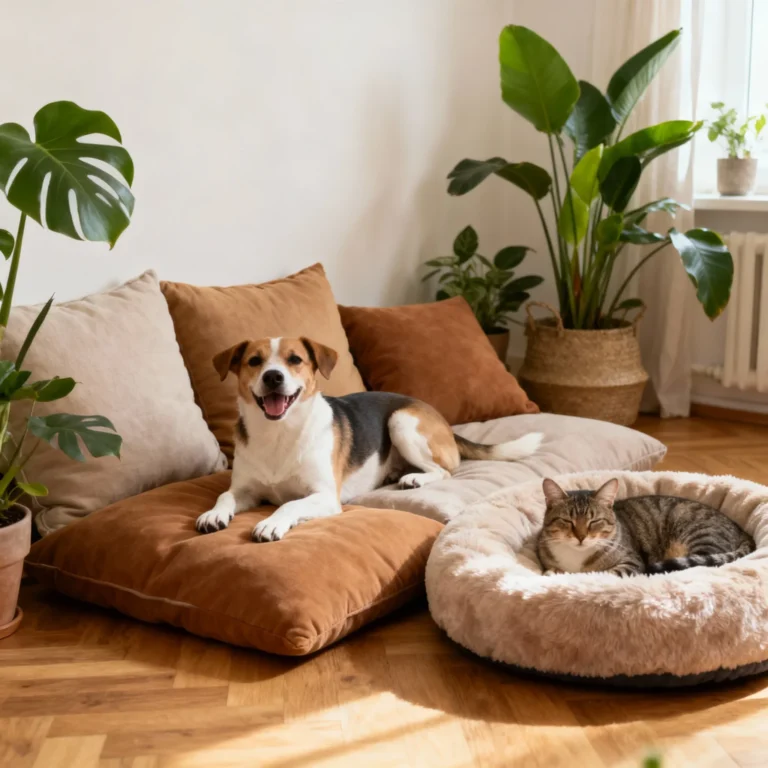
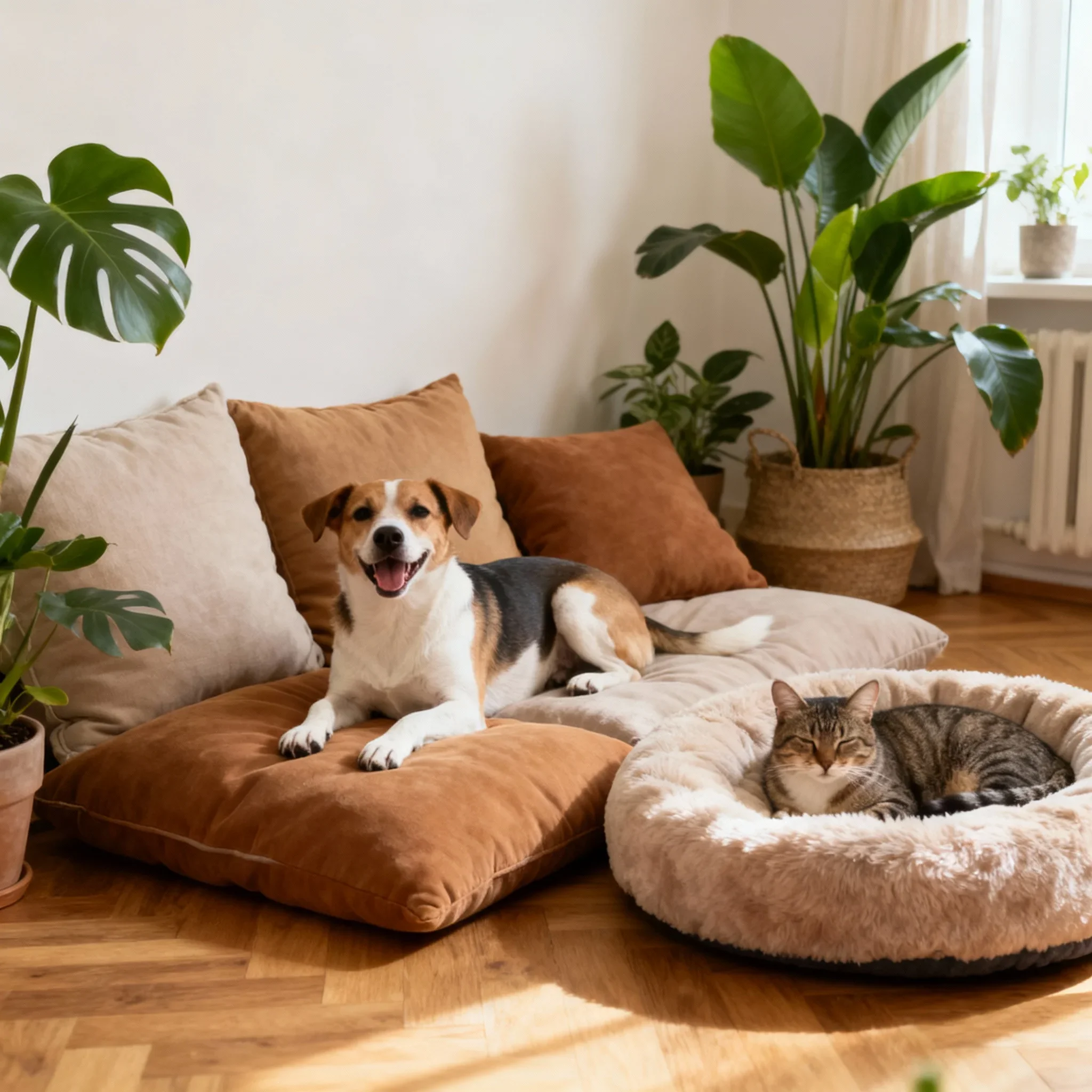
Designing a pet-friendly meditation corner requires furniture that supports your ergonomic health while remaining safe for your furred friend. A low, wide cushion or a plush chair offers back support, encouraging proper spinal alignment during seated breathing. For many households, a floor‑lying meditation pillow—often made of memory foam or organic cotton—provides an affordable, low‑profile alternative that your cat or small dog can comfortably explore.
- Ergonomic chair or plush cushion with lumbar support
- Non‑toxic, hypoallergenic meditation mat or small rug
- Soft, washable blankets in natural fibers
- Aesthetic diffuser or small scented candle (double‑checked for pet safety)
- Quiet, calming background music or ambient nature sounds (using a low‑volume speaker)
Decor and sensory cues also shape the meditation atmosphere. A low‑profile plant—such as a pothos or spider plant—can purify air (per the EPA) and provide a calming visual in your corner. Use a small water feature or a simple soundboard that plays ocean waves without the risk of splashes. Finally, place a soft toy or a designated resting area near the cushion so that your pet can settle beside you without the temptation to chew on meditation tools.
Setting Up a Pet-Friendly Meditation Corner with Minimal Distractions
After furniture selection, crafting the layout focuses on minimizing visual and auditory disruptions. Use a fabric wall runner or a simple painted accent behind the meditation cushion to create a visual buffer that frames the space. Position any electrical outlets or switches far from the pet’s reach, securing them in child‑proof covers. To prevent sudden noise spikes, install a sound‑absorbing panel or a series of lightweight bean bags that help dampen echoes in small rooms.
Ambient sound is another powerful trigger. A soft diffuser that releases lavender or chamomile—both pet‑safe varieties—can promote relaxation for you and your companion. Pair this with a low‑volume playback of ocean waves or forest sounds to create a naturalistic backdrop. The AVMA recommends that pets receive no more than 30 minutes of continuous auditory stimulation per day to avoid overstimulation. Adjust volume and timing to suit your animals’ tolerance.
Training and routine are critical to maintaining harmony. Teach your dog to lie calmly beside you with positive reinforcement, rewarding them when they stay within boundaries. For cats, provide a small perch or a cozy blanket with the scent of your clothes to encourage proximity. Schedule your meditation sessions during your pet’s typical quiet hours—often early morning or evening—to avoid intruding on their play or rest cycles. Consistency and gentle guidance help turn the space into a shared sanctuary of calm.
Maintenance and Hygiene Tips for Your Pet-Friendly Meditation Corner
Maintaining cleanliness is essential for both spiritual practice and pet health. Dedicate 5–10 minutes at the end of each session to wipe down the cushion, mat, and any surfaces with a pet‑safe disinfectant. According to the CDC, regular cleaning reduces the spread of zoonotic parasites that can affect both humans and animals. A quick vacuum sweep eliminates hair and dander, keeping the air fresh for mindful breathing.
If odor or fur accumulates, schedule a deeper clean with a washing cycle for washable covers. Use a mild, fragrance‑free detergent, and rinse thoroughly to avoid residue that may irritate sensitive skin. For cats that love to climb, place a small sisal mat on the floor to protect your carpet during meditation breaks. A gentle, pet‑friendly deodorizer—such as baking soda—can neutralize lingering smells without compromising the soothing ambiance.
Finally, invest in a portable shelf or storage bin for essential supplies like meditation journals, candles, or essential oils. Store these items out of reach but within arm’s length for quick access. At the start of each session, arrange a brief grounding exercise: a quick stretch for your body and a short pet check‑in to ensure your companion is comfortable. By incorporating these maintenance habits, your pet‑friendly meditation corner remains a peaceful, hygienic haven for both of you.
By thoughtfully designing and nurturing a pet-friendly meditation corner, you create a living space that harmonizes human wellness with animal companionship. The careful balance of quiet lighting, ergonomic seating, safe décor, and consistent routines cultivates a sanctuary where deep breathing meets affectionate presence. Remember that the benefits extend beyond personal tranquility: sharing calm moments with your beloved pet strengthens bonds, reduces anxiety, and promotes overall health for both species. Take the first step today—pick your favorite corner, gather the essential cushions, and invite your furry friend to join your next session. The calm you cultivate now will become a timeless refuge for generations to come.
Frequently Asked Questions
Q1. Do I need a special screen to separate the pet from the meditation area?
No, a simple fabric divider or a low wall is sufficient to create a visual boundary. The divider should be stable and low enough to avoid tripping hazards for your pet. Use pet‑safe, non‑sharp materials. This helps maintain a calm atmosphere without isolating your companion.
Q2. How often should I clean the meditation corner?
At least once after each session for quick wipe‑downs, and a deeper, weekly cleaning of fabrics and surfaces. Vacuum or sweep to remove hair and dander regularly. Use a pet‑safe disinfectant to protect both you and your animal. Consistency keeps the space hygienic and serene.
Q3. Can I use essential oils around my pet?
Yes, but only pet‑safe oils such as lavender or chamomile in low concentrations. Avoid oils toxic to animals like tea tree or citrus. Keep bottles secured out of reach and follow recommended dilution guidelines. Your pet’s comfort should always be prioritized.
Q4. Should I keep my pet inside always during meditation?
Allowing your pet to stay in the corner can enhance bonding, provided the area remains safe and calm. If your pet is restless, offer a brief break outside the corner before resuming. Monitor for signs of discomfort or overstimulation. The goal is mutual relaxation.
Q5. Is it okay for multiple pets to visit the corner simultaneously?
It depends on the pets’ temperament. Small, calm animals may coexist peacefully. Larger or more energetic pets might require separate resting areas to prevent agitation. Observe behavior and adjust the layout accordingly.