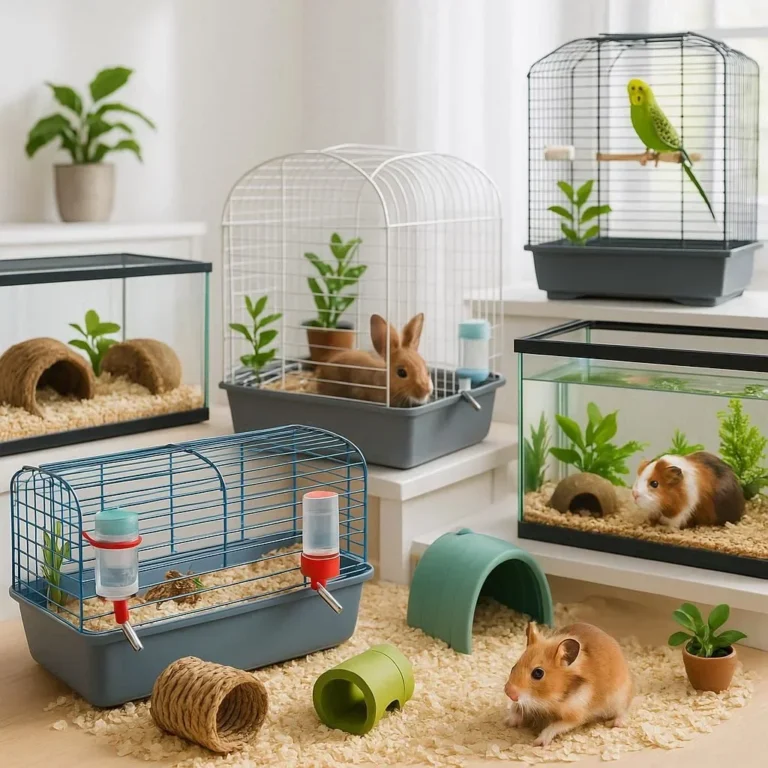
Bird’s Emergency Preparedness Kit
Birds are a vital part of our ecosystem, yet they often face sudden health crises that require immediate attention. A well-organized Bird’s Emergency Preparedness Kit can mean the difference between a quick recovery and a dire outcome for your feathered friend. By assembling the right tools and practicing safe handling methods, you position yourself as a knowledgeable caregiver ready to act decisively when emergencies arise. Every bird owner, whether caring for a parrot at home or an injured raptor on the go, should prioritize a comprehensive emergency kit.
Essential Components
Prior to building your kit, outline the foundational items that fit any scenario. Start with a sturdy, waterproof case that can withstand travel, outdoor use, or storage near a fire or flood. Inside, include a clearly labeled stash of high‑nutrition bird food, a small bowl for water, and a lightweight, portable perch or bird cage. Adding an emergency backup for power, such as a portable solar charger or battery pack for medical devices, ensures your bird’s vital instruments remain operational during blackouts. The combination of these elements yields a versatile kit adaptable to diverse bird species and emergency types.
First Aid Items
A first‑aid panel for avian emergencies is integral to your Bird’s Emergency Preparedness Kit. Essential supplies include clean gauze, medical adhesive tape, and hypoallergenic gauze. Veterinary‑grade antibiotic ointment and a small bottle of saline solution can treat wounds, clean blisters, and rinse respiratory irritants. Wildlife Rehabilitation experts recommend adding a pair of tweezers, a small brush, and a disposable syringe for administering fluids or medications safely.
- Gauze and adhesive tape for bandaging
- Antibiotic ointment and antimicrobial spray
- Saline solution for rinsing eyes and wounds
- Disposable syringe for fluid therapy
- Small tweezers and brush for hygiene
Documentation & Identification
Accurate documentation boosts your Bird’s Emergency Preparedness Kit’s effectiveness by enabling rapid professional assistance. Include a clear, up‑to‑date ID card with the bird’s name, species, age, and any known allergies. A small, waterproof label for your case should list contents and any expiration dates, especially for medications. Keep a folder with the bird’s medical records, vaccination history, and previous veterinary visits. If you are a bird owner in the United States, reference the guidelines from the FWS Avian Health program to confirm you are storing medications correctly and within legal bounds.
Special Considerations
Bird species differ widely in physiological needs, so tailor your kit accordingly. For instance, exotic birds often require specific vitamin mixes and controlled environments, while wild raptors may need a flight‑safe enclosure and a heat source. When dealing with larger birds, incorporate a lightweight, adjustable stretcher to avoid injury during transport. For birds prone to feather loss or dehydration, a small heater or heat lamp—within safe temperature limits—will support their recovery. Keep a small portable thermometer to monitor the bird’s core temperature, especially during illness or shock.
Environmental Hazards
If you live in an area prone to natural disasters, such as floods or wildfires, add protective gear to mitigate exposure. Pack a waterproof tarp, a high‑visibility rescue blanket, and a compact emergency water purification tablet. The USDA animal health agency outlines recommended procedures for post‑disaster bird rescue, ensuring you are prepared for sudden mass releases or stranded aviary animals.
Medical Supplies for Advanced Care
For more serious conditions, a lightweight portable nebulizer or oxygen concentrator can be life‑saving. Add a small, battery‑powered blood pressure cuff suitable for avian patients, and maintain a cold pack for swelling. A detailed instruction sheet, prepared in advance, can guide first responders or even your own follow‑up care if a professional is not immediately available.
Storage & Maintenance
Proper storage preserves the integrity of every item in your Bird’s Emergency Preparedness Kit. Store in a cool, dry place away from sunlight to prevent degradation of medications and food. Check the expiration dates every six months and replace any expired components. Keep a dedicated “check‑list” sheet—clearly visible and printed on durable paper—so you can audit your kit quickly. Every year, conduct a mock‑drill: simulate a scenario, run through your kit, and refine it based on what you learned.
Below is a concise table summarizing the core contents, recommended frequency of checks, and best storage practice.
| Item | Check Frequency | Storage Recommendation |
|---|---|---|
| Medications | Monthly | Cool, dark cabinet |
| Food & Water | Annual | Airtight container |
| First Aid Gear | Quarterly | Portable case |
| Documentation | Annual | File with lock |
| Medical Instruments | Quarterly | Clean, dry box |
Keep in mind that the scope of your Bird’s Emergency Preparedness Kit expands with the complexity of the bird’s health. For parrots recovering from surgical procedures, a sterile syringe and intravenous supplies become necessary. Conversely, a backyard dove may only need a simple hydration device. Tailoring the kit ensures you are always prepared to respond effectively and efficiently.
Conclusion and Call to Action
Every bird owner who values the wellbeing of their feathered companions understands the importance of preparedness. A meticulously curated Bird’s Emergency Preparedness Kit equips you to provide rapid, professional care whenever the situation demands. Begin assembling your kit today—with vetted supplies, reliable guidelines, and a maintenance plan—and transform your bird care from reactive to proactive. Don’t wait for a crisis; empower yourself now, and become the first line of defense for your bird’s health.
Frequently Asked Questions
Q1. How often should I replace the items in my Bird’s Emergency Preparedness Kit?
Check medication expiration dates every month, and replace expired meds immediately. Reassess all items annually, ensuring that items remain in good condition and that the kit adapts to any changes in your bird’s health or species.
Q2. What should I do if I find a wild bird that appears injured?
Use your kit to stabilize the bird, control any bleeding with gauze, and maintain a clean environment. Contact a wildlife rehabilitator or veterinarian within 24 hours, providing them with the bird’s ID, medical history, and your preliminary assessments.
Q3. Can I purchase generic ointments for my bird’s wound care?
Use species‑specific, veterinary‑grade ointments that are safe for ingestion. Generic products can contain ingredients harmful to birds. Whenever possible, consult a vet before applying any topical treatment.
Q4. How do I store water to ensure it stays clean for my bird during an emergency?
Use sealed, BPA‑free bottles and add a water purification tablet if you’re storing water for days. If no tablets are available, boil water for at least one minute before allowing your bird to drink.
Q5. Is a portable solar charger necessary for a bird’s emergency kit?
It becomes essential if your kits include battery‑operated devices such as a portable thermometer or nebulizer. A solar charger ensures those lifesaving tools remain powered during power outages.