How to Provide Proper Nesting Materials for Your Pet
Nest building is a natural instinct shared by many domesticated animals, especially small mammals such as rabbits, guinea pigs, and rodents. For pets that lack their natural environment, providing suitable nesting materials is essential for comfort, thermoregulation, and mental wellbeing. In this guide, you’ll discover proven strategies to select, prepare, and maintain the best nesting supplies for your pet.
Why Nesting Materials Matter
- Thermal Regulation – Soft, absorbent material traps body heat, keeping pets warm during cooler nights.
- Psychological Comfort – A familiar nest provides a sense of security, reducing stress and anxiety.
- Health Benefits – Clean, mold‑free bedding supports healthy skin and reduces the risk of respiratory issues.
- Behavioral Expression – Nesting lets pets fulfill natural behaviors, which can decrease destructive habits.
According to research from the University of Minnesota’s Veterinary Medicine School, rabbits that receive appropriate nest building resources show a 30% reduction in stress‑related behaviors compared to those without a suitable nest. Source: ResearchGate – Nest Building Habits of Rabbits.
Key Considerations When Choosing Nesting Materials
1. The Nature of Your Pet
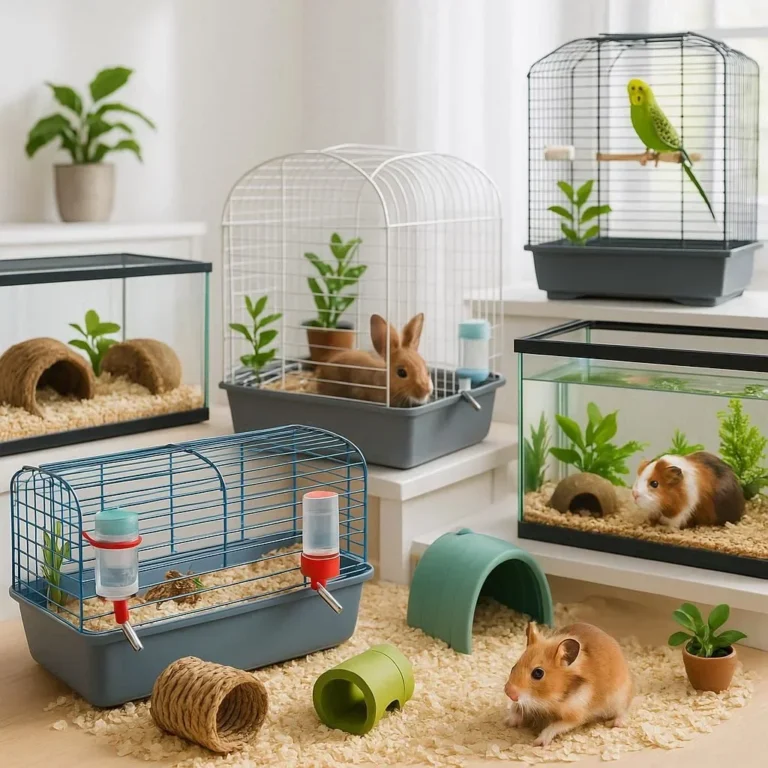
| Pet | Preferred Material | Notes |
|—-|——————-|——-|
| Rabbits | Straw, hay | Avoid compressed cardboard |
| Guinea pigs | Wood shavings, fleece | Must be dust‑free |
| Hamsters | Paper-based bedding | No scented materials |
| Birds | Paper pulp, untreated pine shavings | Avoid soft wood |
|
Selecting material that mirrors your pet’s natural habitat is the foundation of a healthy nest.
2. Safety First
- Dust and Fines – Fine particles can cause respiratory irritation. Look for flake‑free or pre‑shredded options.
- Chemical Exposure – Avoid scented or treated bedding; chemicals can harm sensitive skin or airways.
- Flammability – Some bedding can ignite if a pet’s littering gets too hot. Inspect the material’s fire rating if you keep the enclosure near heat sources.
The ASPCA offers a concise safety checklist: ASPCA Rabbit Care.
3. Hygiene & Maintenance
- Absorbency – High absorbency controls moisture, preventing mold growth.
- Ease of Cleaning – Bulkier, disposable materials reduce the frequency of full cleanouts.
- Odor Control – Natural, unscented bedding combined with regular spot‑cleaning keeps the enclosure smelling pleasant.
For a comprehensive guide on cleaning routines, consult the British Small Mammal Society: BSS Cleaning Guide.
Popular Nesting Materials and Their Benefits
1. Organic Straw
- Pros – Excellent cushioning, absorbs moisture well.
- Cons – Can degrade quickly; requires frequent replacement.
2. Hay (Timothy or Orchard)
- Pros – Lightweight, natural scent, low dust.
- Cons – Limited mold resistance in high humidity.
3. Felt and Fleece
- Pros – Soft, plush, easy to replace.
- Cons – Not highly absorbent; uses more water when wet.
4. Wood Shavings (Non–treated, hardwood)
- Pros – Good for larger pets like rabbits.
- Cons – Can be dusty; may not be ideal for small rodents.
5. Paper‑Based Bedding
- Pros – Highly absorbent, cost‑effective, no dust.
- Cons – Can become compacted, making ventilation difficult.
By comparing these characteristics, you can pair the right material with your pet’s size and behavior.
Step‑by‑Step Guide to Setting Up a Nest
Step 1: Choose the Right Container
- Small rodents: Use a standard cage with a removable nest box or a lined area inside the enclosure.
- Rabbits: Opt for a deep hut or a soft‑lined, tall box within the larger enclosure.
- Birds: Provide a nest box that mimics natural nesting dimensions and height.
Tip: Ensure the container is escape‑proof and has adequate airflow while maintaining a secure environment.
Step 2: Prepare the Bedding
- Layer the Base – Place a 2‑3 inches layer of coarse bedding for drainage.
- Add a Soft Layer – Cover with 1 inches of finer or plush material to emulate natural nesting.
- Trim Excess – Keep the surface neat; any unevenness can cause the pet to get stuck.
Step 3: Monitor Moisture
- Check the nest daily; replace or add bedding as needed to keep the area dry.
- Use a moisture meter if you’re in a high‑humidity region.
Step 4: Encourage Nest Building
- Allow natural exploration by placing nesting materials at the bottom of the cage.
- Avoid disturbing the nest repeatedly; pets learn to self‑regulate.
Step 5: Regular Maintenance
- Spot‑clean daily and perform a full bedding change every week or bi‑week, depending on the pet’s size.
- Wash any removable nest components with mild soap and lukewarm water; dry thoroughly before re‑use.
DIY Nesting Solutions: Sustainable Options
If you prefer eco‑friendly or homemade nesting options, consider:
- Cardboard Boxes – Use old shipping boxes; cut to size and line with paper pulp.
- Old Towels or Duvets – Wash and cut to create a soft, absorbent nest; can be reused after laundering.
- Natural Grass or Bark Pieces – Harvested responsibly from a yard; sterilize under the sun.
Remember to avoid any treated or painted materials that could release toxins.
Common Mistakes to Avoid
- Using Scented Bedding – Masks the pet’s scent, potentially leading to aggression or escape.
- Over‑compressing Bedding – Reduces airflow and traps humidity, fostering mold growth.
- Neglecting pH Levels – Some wood shavings can alter the cage’s pH, causing respiratory irritation.
- Neglecting Regular Cleaning – Smell or visible stains signal the need for a deeper clean.
The World Small Animal Veterinary Association (WSAVA) emphasizes these points in their “Best Practices for Small Animal Housing”: WSAVA Best Practices PDF.
Frequently Asked Questions (FAQ)
| Question | Answer |
|———|——–|
| How often should I change my rabbit’s nest? | Ideally every 2‑3 days, or sooner if it becomes damp.
| Can I use baking soda as a filler? | Baking soda may upset pH and cause allergies; use only in small amounts as a deodorizer.
| Is cedar an acceptable choice for bird nesting? | Cedar can be toxic to birds; choose pine shavings or other safe alternatives.
Conclusion & Call to Action
Providing appropriate nesting materials is not just a comfort measure—it’s a foundational element of responsible pet care. From choosing the safest, most absorbent bedding to maintaining a tidy, odor‑free environment, each step enhances your pet’s health, happiness, and quality of life.
Ready to upgrade your pet’s nesting experience?
Start by assessing the current bedding, consult the resources above, and select the material that best supports your pet’s natural instincts. Share your nesting ideas and successes in the comments below—we’d love to hear how you created cozy corners for your pet!