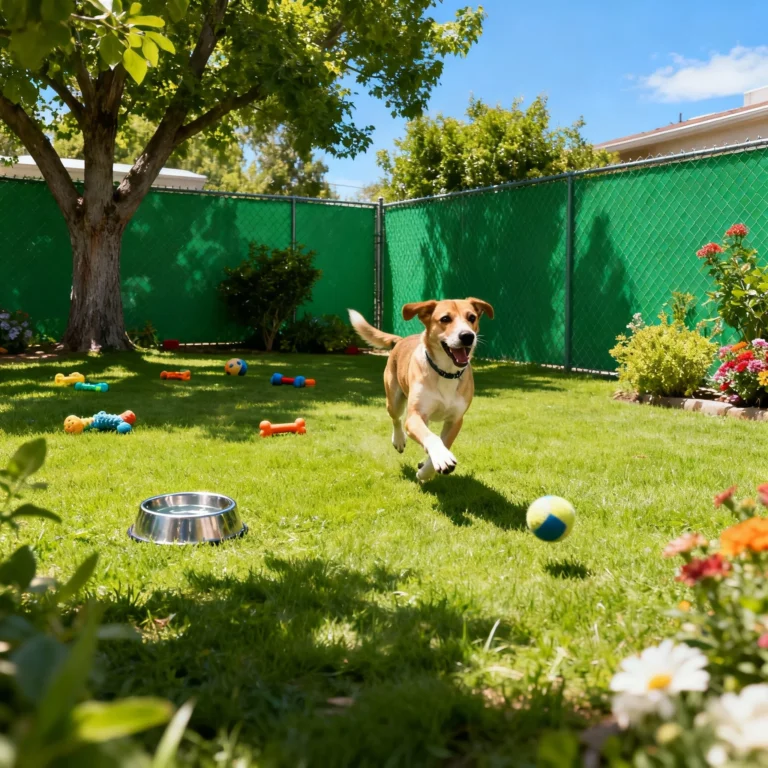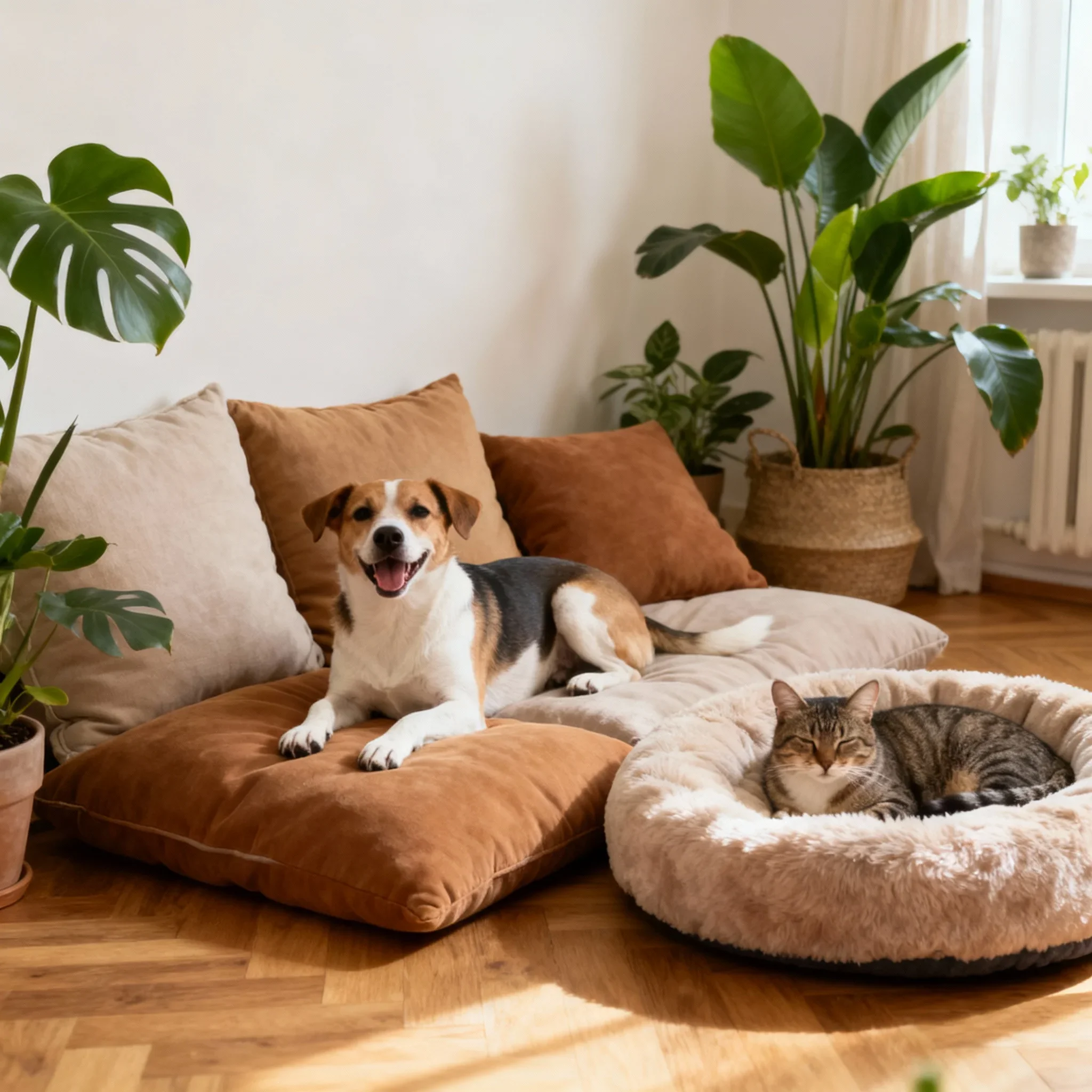
Help Your Dog Adjust
Helping your dog adjust to a new home can feel like navigating uncharted territory for both of you. By understanding canine behavior, you can create a welcoming environment that eases the transition. The key to success lies in consistency, comfort, and positive reinforcement. This guide will walk you through proven strategies to help your dog adjust smoothly, whether you’re moving to a new house or simply introducing a change in routine.
Help Your Dog Adjust with a Consistent Routine
Dogs thrive on predictability; a structured schedule signals safety and reduces anxiety. Establish regular mealtimes, bathroom breaks, and bedtime rituals within the first week of the move. Keep the same feeding schedule and use the same food bowls, so your dog can associate the new surroundings with familiar comfort. A consistent routine also supports healthy digestion and sleep patterns, leading to calmer behavior on days when change seems overwhelming.
Help Your Dog Adjust to a New Crate
A crate can serve as a sanctuary when your dog feels uncertain about the new terrain. Choose a crate that matches your dog’s size with enough room to stand, turn, and lie down. Place familiar blankets, a favorite toy, and maybe a piece of your clothing—scent familiarity works wonders. Introduce the crate slowly: start by feeding near it, then placing treats inside, and finally letting your dog explore the interior at its own pace.
- Use a calming playlist or soft background music.
- Offer a high‑value snack at the entrance.
- Leave the door slightly ajar during the first night.
- Reward calm behavior with gentle praise.
These steps help your dog view the crate as a secure space rather than a punishment.
Help Your Dog Adjust while Managing Anxiety
Stress can manifest as pacing, drooling, or even destructive chewing. If you notice these signs, consider a short calming session—five to ten minutes of gentle petting or a slow massage can lower cortisol levels. Adding a pheromone diffuser, such as Adaptil, can also reduce anxiety signals. For persistent anxiety, consult the AKC’s anxiety management guide, which outlines behavior‑based techniques and safe medications when needed.
Help Your Dog Adjust during Moving Day
On moving day, create a safe “home” zone inside your vehicle or temporary shelter with all comfort items. Keep the car doors closed and doors in a garage or shed locked to reduce exposure to new stimuli. Carry a leash and harness so you can calm your dog with short, controlled walks when the environment is too crowded. After the move, immediately introduce your dog to its new home with a brief walk around the perimeter before settling in.
Help Your Dog Adjust to Your Family’s Schedule
When a family’s rhythm changes—new work hours, frequent visitors, or a new pet—dogs need to readjust. Introduce changes gradually: start by aligning one daily activity with the new schedule to give your dog a predictable anchor. If you’re homeschooling or staying home, incorporate short training sessions to maintain engagement and reinforce good behavior. Consistency across all family members—especially in tone and expectations—helps your dog learn the new rhythm faster.
Maintaining a calm, predictable environment is the foundation of helping your dog adjust. However, each dog is individual; always observe body language for signs of stress or discomfort. A proactive approach that blends routine, comfort, and professional guidance ensures that the transition feels positive for both you and your pet. Whether you’re moving to a new neighborhood, acclimating to a new family dynamic, or simply rearranging furniture, following these steps can transform a fraught adjustment into a rewarding bonding experience.
Conclusion
Help your dog adjust by respecting its need for stability, offering consistent cues, and using positive reinforcement. Implementing a familiar routine, creating a cozy safe space, and addressing anxiety proactively will reduce stress and accelerate the adaptation process. Your dog’s well‑being directly reflects the care and thoughtfulness you invest—so start today and see how quickly your loyal companion can feel at home again. Trust these evidence‑based strategies and enjoy the joyful companionship that follows as your dog happily settles into its new environment. Take action now—apply the next step to help your dog adjust and strengthen your bond.
Frequently Asked Questions
Q1. How long does it usually take for a dog to adjust to a new home?
Adjustment periods vary widely among dogs, but most typically require 2 to 4 weeks of consistent routine and positive reinforcement. Extremely anxious dogs may take longer, especially if they have had traumatic experiences before. If your dog continues to display extreme anxiety beyond a month, consulting a veterinary behaviorist is advisable.
Q2. Should I keep my dog in a crate during the first few nights?
Crating can provide a sense of security, but only if your dog is comfortable with the crate. Avoid forced crate confinement; instead, give your dog the option to enter or exit freely and keep the door slightly ajar. This approach helps them associate the crate with safety rather than restriction.
Q3. How can I reduce my dog’s barking during the transition?
Barking often signals anxiety or attention seeking. Use clicker training or gentle redirection to reward quiet behavior, and provide ample exercise to expend excess energy. Avoid yelling or punitive measures, as they can reinforce the barking.
Q4. Is it safe to give my dog over-the-counter anxiety meds while moving?
Over‑the‑counter products should be discussed with your veterinarian first, especially if your dog has underlying health conditions. Veterinary‑prescribed medications can offer targeted relief and are safer in the long term for high‑stress situations.
Q5. How can I involve my dog in making its new home comfortable?
Let your dog help choose a resting spot by placing its favorite blanket on several surfaces and observing where it prefers to settle. Incorporate your dog’s scent—using a worn T‑shirt or towel—to help them feel familiar within their new environment.