Pet Retreat Inside Closet
Turning your closet into a dedicated Pet Retreat can transform a mundane storage space into a sanctuary that promotes both safety and happiness for your furry friend. For owners whose pets crave a quiet, familiar refuge, a well‑planned closet conversion offers an inexpensive and stylish solution. In this guide we’ll explore how to build a comfortable, secure, and visually pleasing Pet Retreat that feels like a bedroom for your best companion. With thoughtful layout, material choices, and design touches you can keep your animal at ease while protecting your home’s aesthetic.
Choosing the Right Closet
The first step in creating a Pet Retreat is selecting the closet that will host your new sanctuary. A good candidate should be large enough to accommodate a bed, a litter box (if you have a cat), or a sandpit for a small dog, while still leaving space for movement. Avoid closets with large, dark windows that allow too much direct light; pets often prefer a dim, snug atmosphere. When measuring, remember to leave at least a 12‑inch clearance around the perimeter so that your pet can exit safely. Closet stairs are not uncommon in older homes, so a stable, non‑slip step is essential for small breeds and older animals.
Designing Your Pet Retreat
After the closet has been selected, it’s time to think about the layout. The primary goal is to create zones: a resting area, a play zone, and a hygiene stand. This segmentation helps reduce stress by giving the animal clear boundaries. Use a flexible material like a removable floor mat to separate the litter or sand pit from the sleeping area. Keep the resting area at the far end of the closet to ensure a quiet environment and direct it away from doors that could create sudden noise. Consider incorporating a small shelf for treats or toys, placed within the pet’s line of sight to encourage interaction.
Ventilation and Climate Control
Pets are especially sensitive to temperature extremes and poor air quality. If the closet is located near a heat source or a chilly wall, install a small vent or fan that draws fresh air but remains pet‑safe. A silent, low‑profile exhaust fan rated for indoor use can maintain air circulation. Add an absorbent moisture‑control sheet on the floor to keep the space dry. For rooms that are prone to high humidity, an indoor dehumidifier can prevent mold growth, which is especially important for cats that are prone to respiratory issues. All ventilation additions should comply with local heating, ventilation, and air‑conditioning (HVAC) safety codes.
Safety First: Hazard Removal
Before any construction begins, remove all potential hazards. Loose wires, exposed outlets, and sharp edges can injure your pet. Replace outdated lighting fixtures with LED bulbs that have lower heat output. Enclose small nails or screw tips with non‑toxic packing tape. If you use a plastic drop cloth, ensure it’s non‑slip and free of seams that could snag. The safest layout keeps the edge of the mat at least one foot away from any sharp corners.
Choosing Pet‑Friendly Materials
Material selection is crucial for durability and hygiene. Soft‑sided foam is ideal for a bed, but it should be removable and machine‑washable to prevent odor buildup. For the floor, use rubber or vinyl pads that resist slipping. These materials are also easy to clean and safe for dogs that dig or for cats that scratch. Avoid loose carpet or synthetic fibers that can become matted with fur and urine. For a cat’s scratch post, use an upright scratching post or a wall mount on the closet door that is anchored securely.
Adding Comfort and Enrichment
Once functional elements are installed, introduce comforts that boost mood. Cats enjoy a warm spot; place a small heating pad with a safety switch. Dogs appreciate a plush blanket that mimics the scent of their bed at home. Attach a small mirror to the closet door if your pet loves reflection, but be cautious as some animals react fearfully. Add interactive toys that can be hidden in the closet to encourage curiosity. Remember the adage that a stressed pet is an unhappy pet; therefore, consistent noise levels and visual distractions can reduce anxiety.
Organizing with Efficient Storage
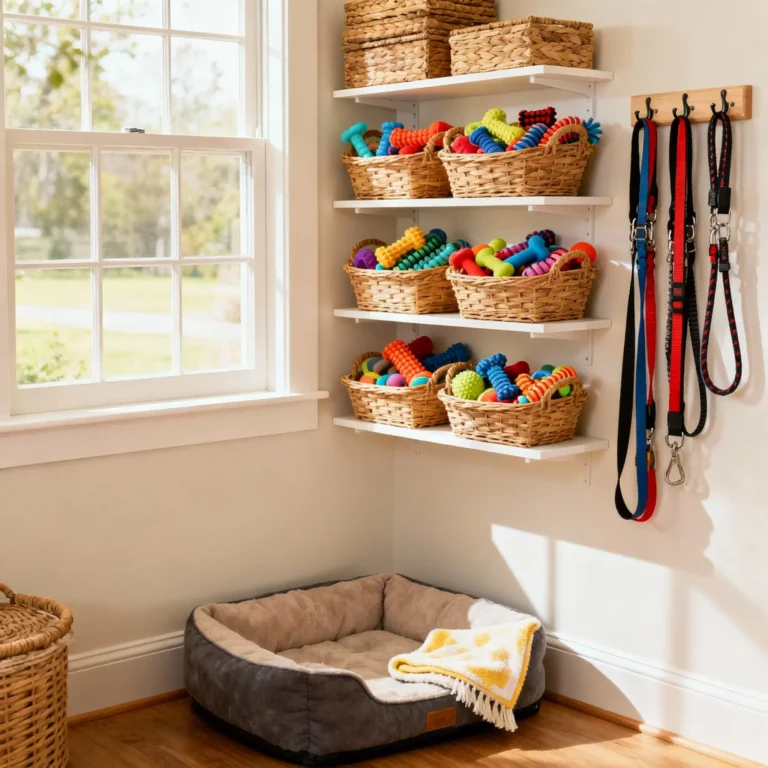
- Reusable zip bags for litter.
- Wall‑mounted toy holders.
- Stackable bins for grooming supplies.
- Rolling cart for seasonal treats.
- Hooks on the interior door for leashes.
These items keep the closet clean and free of clutter. Organize your supplies so they are only accessible to you, not the animal, to prevent accidental ingestion of harmful items. Keep the closet environment tidy; pet spaces are prone to quick messes that can spread odor further if not cleaned promptly.
Creating Zones for Psychological Well‑Being
To help your pet adapt, create distinct zones. The sleeping area should be elevated by a few inches using a sturdy crate or a crate wall. Use a soft, non‑scratching material for the bottom. A feeding zone adjacent to the resting area, with food dishes placed at a comfortable height, encourages meals without stress. If you add a play zone, incorporate safe climbing structures. The concept of “territorial” comfort helps pets feel secure and reduces roaming incidents.
Monitoring and Routine Checks
A healthy Pet Retreat requires ongoing assessment. Once a week, check for signs of wear on mats and cushions, as well as any residue buildup. Keep a cleaning log to make sure no areas are neglected. Use a mild, pet‑safe disinfectant that won’t irritate sensitive skin. If you notice any unusual odor, moisture, or mold, investigate quickly. Most pet‑friendly cleaning solutions are available from major retail chains, but ensure the product is listed as safe for animals on the label or from reputable sources such as Veterinary Nutrition.
Seasonal Adjustments for Comfort
Pets often react to seasonal weather changes. In hot climates, add a small fan or a charcoal filter to reduce heat retention. During winter months, consider a heated mat or a lightweight blanket with a warm surface. Keep the closet away from drafty windows during colder periods. For pets that enjoy outdoor scents, a small plant with non‑toxic flowers can be placed outside the closet door to provide fresh air and sensory enrichment.
Using Your Pet Retreat Effectively
The ultimate goal is to have a space that your pet voluntarily uses when it wants to rest or play. Encourage this by marking the area with familiar scents, such as a piece of your clothing. Allow your pet to explore the Closet independently to build trust. Over time, the animal will associate the area with comfort rather than confinement. However, keep in mind that pets may resist if they feel the closet is a punishment zone; ensure the space remains positive.
Cost‑Effective DIY vs. Professional Build
Building a Pet Retreat can be accomplished with minimal budget. A basic kit consisting of padded flooring, a low‑profile fan, and a few toys can be purchased for under $200. If you are comfortable with DIY, you can upcycle an old wardrobe or use reclaimed wood to create a custom crate. Professional contractors may charge $500–$1,200 depending on design complexity. It’s wise to get multiple quotes and read reviews on platforms such as HomeAdvisor before hiring.
Checklist Before You Start
Before you begin, run through this checklist:
– Closet size and layout?
– Ventilation and climate control in place?
– Safety hazard removal completed?
– Materials approved for animal use?
– Storage organized for cleanliness?
– Zones defined for rest, play, and hygiene?
– Cleaning routine scheduled?
– Seasonal adjustment plan?
– Budget confirmed?
– Professional assessment if needed?
Conclusion & Call to Action
By transforming a standard closet into a thoughtfully designed Pet Retreat, you not only provide a safe, stimulating environment for your animal but also enhance the harmony of your home. The blend of proper ventilation, ergonomic layout, and pet‑friendly materials ensures that your companion feels at ease. Start with accurate measurements, commit to regular maintenance, and watch your pet thrive in its new personal sanctuary. Ready to give your pet a cozy, dignified retreat? Dive into the conversion today and experience the joy of a happier, healthier companion.
Frequently Asked Questions
Q1. Can a small apartment closet serve as a Pet Retreat?
Yes, many small apartments use their closet as a pet retreat. Focus on maximizing vertical space and ensuring proper ventilation to keep the area comfortable.
Q2. What are the best floor materials for a dog’s closet retreat?
Rubber or vinyl tiles are excellent options because they are slip‑resistant, easy to clean, and safe for dogs that dig or scratch.
Q3. How often should I replace the bedding in a Pet Retreat?
Bedding should be replaced every one to two weeks, depending on your pet’s shedding and odor levels, to maintain a fresh environment.
Q4. Is it safe to install a fan in the closet?
Yes, a quiet, low‑profile fan rated for domestic use is safe as long as it’s positioned out of reach of the animal and properly secured.
Q5. What can I do if my pet dislikes the closet?
Gradually introduce the space by placing familiar scents and treats inside, allowing your pet to explore at its own pace while ensuring the environment feels welcoming.