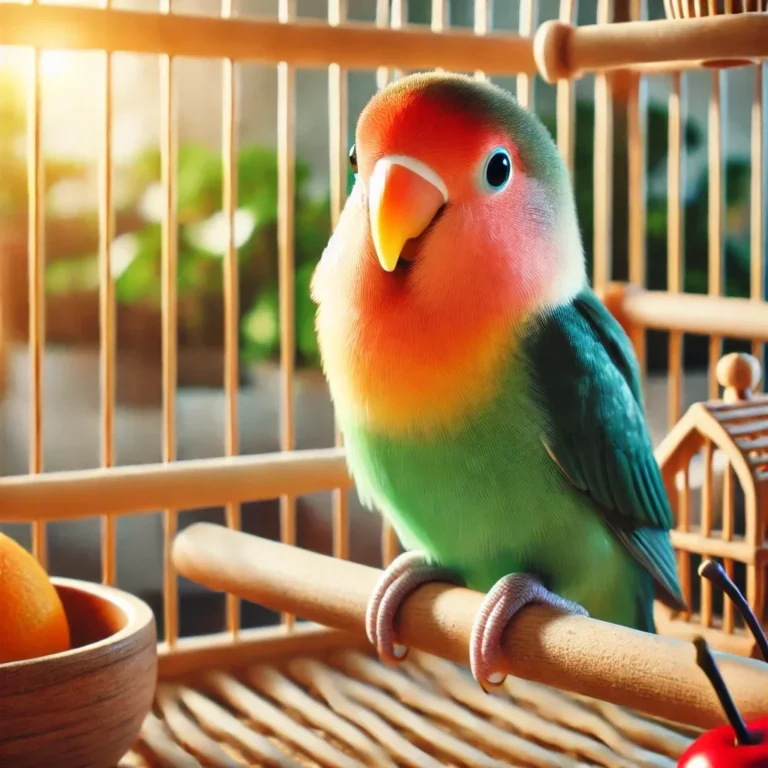
Understanding Different Bird Calls to Better Connect With Your Pet
Birds communicate with a vibrant array of sounds that serve many purposes—from attracting mates and defending territory to signaling danger and strengthening social bonds. For pet owners, decoding these cues can transform your relationship with your feathered companion.
The Basics of Bird Vocalization
Bird vocalizations fall into two main categories:
- Syllable‑based calls – short, repeated notes that serve simple signals like warning or greeting.
- Song – elaborate, patterned melodies usually used by males to attract mates and establish territory.
According to a study in the Journal of Avian Biology (2015), males of the same species can produce up to 3.5 × 10⁸ syllables per year. That’s an average of roughly 10 calls per second during peak breeding season!
Understanding the underlying structure of a bird’s call is the foundation of effective communication:
- Pitch – the frequency, measured in hertz (Hz). Higher pitches are often used for excitement, lower tones for calm.
- Duration – how long each note lasts. Short pulses can indicate urgency, while longer notes may signal confidence.
- Pattern – the sequence of notes. Many pigeons, for instance, use a repeating “coo‑coo‑coo” pattern during social bonding.
For a deeper dive, check out Bird vocalization (Wikipedia).
Recognizing Common Call Types in Household Pets
1. The Greeting Call
Most parrots—especially African Greys, Macaws, and Budgies—exhibit a distinct greeting call. This is often a short, high‑pitch “squawk” or “knot.” Recognizing this call lets you know your bird is ready for interaction.
2. The Alarm Call
When a pigeon sees a potential threat, it emits a rapid burst of high‑frequency chirps. Birds in the wild use this to alert flock members; domesticated birds may use it to signal distress if left alone.
3. The Mating Call
Songbirds like canaries or finches chirp more complex tunes during breeding season. In a pet setting, louder, melodic chirps often mean your bird is comfortable and confident—prime time for training sessions.
4. The Food‑Seeking Call
Many birds emit a plaintive, rising whine when they want a treat. A repeated two‑note whistle in finches, for example, can indicate “give me a seed!” Recognizing this reduces frustration for both sides.
How to Decipher Your Bird’s Tone of Voice
| Metric | High‑Pitch | Low‑Pitch | Fast Rhythm | Slow Rhythm |
|————-|—————-|—————|—————-|—————–|
| Emotion | Excitement, Alarm | Calm, Affection | Urgency, Alert | Relaxation, Bonding |
| Context | Searching for food, play | Rest, greeting | Danger, immediate need | Settling, contentment |
| Action Prompt | Move, respond urgently | Stay, relax | Seek immediate help | Rest, bond |
Step 1: Observe
Spend 10–15 minutes each day listening while your bird is free to move. Note how often each call type occurs and correlate it with your environment—time of day, presence of family, the noise level.
Step 2: Record
Use a smartphone or a simple voice recorder. Over a week, compile a short clip of each distinct call. Listening back helps you focus on nuances you may have missed in real‑time.
Step 3: Match with Behavior
Pair each recorded sound with your bird’s actions: Did it perch near you? Did it perform a wing flap? Matching behavior to sound lets you predict future needs.
Practical Tips for Training Through Sound
- Positive Reinforcement – When your bird uses a desired call (e.g., greeting call), reward with a treat or gentle voice praise.
- Call‑And‑Reward Routine – Start with a simple cue (“look at me”), wait for the bird to vocalize, then reward. Repeat until the bird links the two actions.
- Use Distinct Sound Cues – A unique click or whistle, paired with a command, creates mental associations. Over time the bird will mimic your cue.
- Limit Over‑Exposure – Just as humans can become desensitized, birds can feel stressed if bombarded by excess vocal prompts. Use calls sparingly.
Common Misinterpretations—and How to Avoid Them
- Assuming a “squeak” means fear: Many budgies emit a high‑pitch squeak when excited, not necessarily scared.
- Treating a long chirp as a threat: Some canaries chirp loudly during the day—they signal contentment, not protest.
- Mistaking greeting call for aggression: A sharp squawk may actually be a friendly inquiry into your presence.
Being mindful of context, combined with the tone‑analysis framework above, helps prevent false assumptions.
External Resources to Expand Your Knowledge
- Cornell Lab of Ornithology – Offers comprehensive research articles on bird song structure.
- American Association of Avian Veterinarians – Provides best practices for health‑related vocal behaviors.
- Study on Vocalization Patterns in Urban Birds – Shows how environment influences call frequency.
Take the Next Step in Your Avian Relationship
Your bird’s voice is a lifeline—reading it correctly can unlock countless moments of trust and joy. By systematically observing, recording, and interpreting each call, you’re building a communication bridge that enriches both your lives.