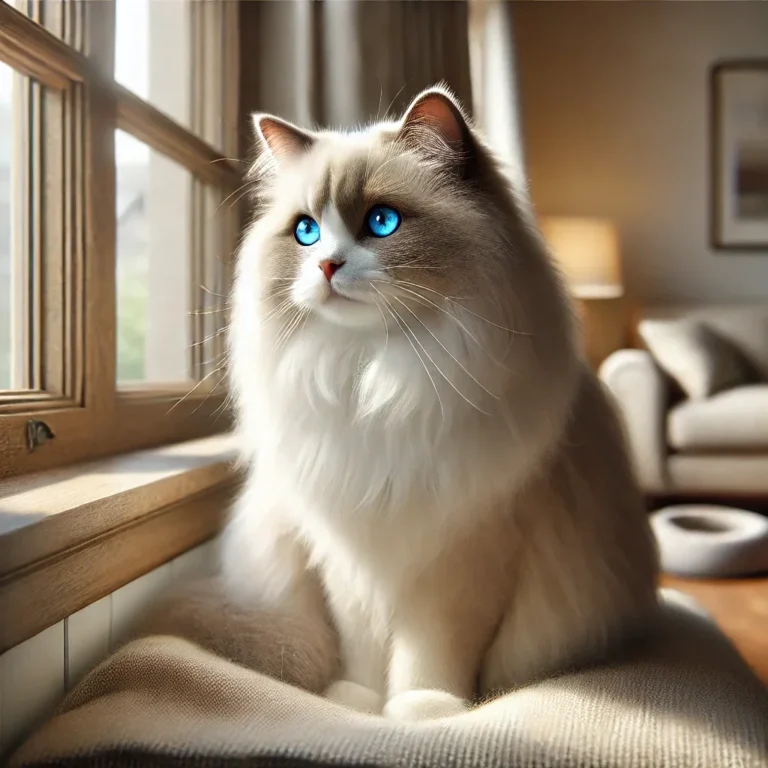
Managing Litter Box Issues in Older Cats
Older cats face new challenges in their daily lives. With shrinking mobility, evolving senses, and shifts in body chemistry, they can develop sudden litter box problems. These changes aren’t just inconvenient—they often flag underlying health issues that require attention. In this guide we break down why senior cats break from their usual bathroom routine, how to spot early signs, and what steps you can take—both at home and with a veterinarian—to keep your beloved companion comfortable and healthy.
The Why Behind Senior Litter Box Challenges
A senior cat’s life expectancy varies, but most start showing age‑related changes around 10–12 years. These changes influence bathroom habits in several ways:
- Reduced Joint Flexibility – Arthritis or generalized stiffness makes climbing into or firing out of a box painful.
- Altered Senses – Vision or hearing loss can cause confusion about where the box is located.
- Metabolic Shifts – Conditions like diabetes or kidney disease change urine output or frequency.
- Neurological Changes – Mild cognitive decline may affect bladder control or litter detection.
- Behavioral Adjustments – Stressors such as new pets or relocated furniture can trigger “box avoidance.”
Understanding these drivers helps owners target the right solutions.
Spotting the Signs Early
When a senior cat deviates from its regular bathroom routine, the first step is observation. Look for:
| Symptom | What It Suggests | Quick Checks |
|———|——————|—————|
| Frequent trips to the litter (≈nowadays >4‑5 times a day) | Overactive bladder or diabetes | Check for sweet or fruity odor |
| Sudden avoidance (thinks the box is ‘dirty’ or is hidden) | Pain, fear, or arthritis | Can they reach the box comfortably? |
| Litter outside the box | Stress or cognitive issues | Is the litter area obstructed? |
| Straining or painful urination | Urinary tract infection (UTI) or bladder stones | Look for difficulty or prolonged attempts |
| Visible changes in litter texture (more dust or clumps) | Litter allergies or irritation | Is the litter dust‑free?
If you notice any of these signs, note the exact moments, frequency, and any concurrent behaviors or health changes.
Common Causes & What They Mean
| Cause | What It Looks Like | How to Address |
|——-|——————–|—————-|
| Arthritis | Leans away from litter, painful leaps out of the box | Provide a low‑entry box, use non‑abrasive litter |
| Obesity | Excess weight, difficulty getting in/out | Portion control, exercise & guided vet visit |
| Diabetes | Excessive thirst & urination | Blood sugar monitoring, diet modification |
| Kidney Disease | Increased urination, weight loss | Check hydration, renal‑friendly diet |
| UTI or Bladder Stones | Straining, blood in urine | Immediate vet treatment, urinalysis |
| Behavioral Stress | New environment, new pets | Gradual introduction, scent masking |
| Cognitive Dysfunction | Litter avoidance, wandering | Enrichment, consistent routine |
The table provides a quick triage: if the issue is medical, you’ll see a one‑to‑two‑day pattern shift. Behavioral issues often develop gradually.
Environmental & Handling Solutions
Home‑based tweaks can reduce problem triggers. Here are proven strategies:
1. Optimize the Litter Box Design
- Low‑entry boxes keep a cat’s back in the box; choose one with low, gentle slopes.
- Covered vs. uncovered – Some cats like privacy; others prefer an open feel. Test both.
- Multiple boxes – Place one near the feeding area, one in a quiet corner.
2. Pick the Right Litter
- Unscented, clumping, dust‑free varieties are best for sensitive seniors.
- Switching litter can trigger anxiety; maintain a steady brand until you’re certain the transition helps.
3. Keep It Clean
- Scoop daily; a soiled box can be a complete deterrent for arthritic cats.
- A full‑flooding approach (clean the box and litter brandy) works best for senior cats to reduce lingering odors.
4. Low‑Noise Hunting
- Move litter boxes away from heavy traffic or loud equipment; noise amplifies anxiety.
- Ensure boxes have calm, steady lighting (avoid harsh LED bulbs).
5. Provide Indoor Mobility Aids
- Non‑slip pads around the box to prevent accidental falls.
- Step‑up platforms for cats to reach higher boxes.
Medical Pathways – When to Call the Vet
If the problem persists beyond a week or you detect signs such as blood in urine, severe pain, or weight loss, a veterinary check‑up is imperative. Key diagnostic steps include:
- Urinalysis – Detects crystals, infection, and pH balance.
- Blood panel – Evaluates kidney health, glucose levels, and hormonal status.
- Radiographs or ultrasound – Identifies stones or structural issues.
Treatments may involve anti‑inflamatories, antibiotics, or a change in diet. Your vet may also advise:
“I recommend a prescription urinary diet if you notice frequent cleanings or painful voiding.” – VETERINARY PARTNER
Pain Management
- NSAIDs such as meloxicam are commonly prescribed for arthritis.
- Physical therapy or hydrotherapy can improve mobility without stressing joints.
Diabetes & Kidney Care
- Dextrose‑free diets and insulin therapy can stabilize glucose.
- For kidney issues, a phosphorus binder or low‑protein diet may slow progression.
Proactive Prevention – Healthy Habits Before the Issues Start
- Routine examinations every 12–18 months.
- Weight monitoring – Maintain 95–110% of normal adult weight.
- Dental care – Bad gum health can influence appetite and water intake.
- Environmental enrichment – Interactive toys, scratching posts, and windows enhance mental stimulation.
Vet‑Recommended Litter Box Kits
Below is a small selection of products that senior cats enjoy:
Frequently Asked Questions
Q: Can I use scented litter for my senior cat?
A: While cats generally dislike strong scents, a lightly scented variety might be tolerated. However, monitor for irritations.
Q: Is it normal for my senior cat to wheeze after using the box?
A: Wheezing may signal asthma or allergies. The CDC’s Asthma Resources can provide guidance.
Q: How many litter boxes should I have for a senior cat?
A: The general rule is one per cat plus one extra. If your cat shows anxiety, consider adding a second box in a quiet spot.
Wrap‑Up: Keep the Lyte‑Line Flowing
The simple act of grooming a cat’s litter box hides a bigger picture—your cat’s overall health. By staying alert to changes in litter box habits, proactively adjusting the environment, and seeking veterinary care when needed, you’ll not only prevent discomfort but also extend the quality of your senior cat’s life.
Take Action Today – Start by inspecting your cat’s litter area. Are there high edges or painful entries? Adjust the box design and check the litter type. If you observe any distress or unusual urination patterns, call your vet – a quick conversation can prevent a full‑specter health event.
“The health of our pets is a mirror of our commitment.” – ASPCA – Senior Cat Care Guide
Give your senior cat the comfort they deserve. Share this post with fellow pet‑parents and let them know: a proactive approach to litter box care is the first line of defense against age‑related complications. Act now, and keep those purrs coming for years to come!