Best Small Pet Breeds for First-Time Owners
For a new dog or cat owner, the right small pet can make the transition smoother and more enjoyable.
Small pets are often the first step into the animal world due to their manageable space, lower costs, and easier care routines. This guide dives into popular small dog and cat breeds, even a few bird and rodent options, so you’ll find the one that best matches your lifestyle and personality.
Why Small Breeds Are Great for Beginners
- Space‑savvy: Ideal for apartments or smaller homes.
- Cost‑effective: Lower initial purchase price and many vet bills stay within budget.
- Lower exercise needs: Perfect for owners who may not have a large yard.
- Easier training: Many small breeds absorb commands quickly.
What to Consider Before Picking a Small Pet
| Factor | Why It Matters | Tips for Choosing
| Lifestyle | Mixing shelter, work, and leisure schedules. | Choose a breed that matches activity levels.
| Allergies | Some breeds shed more than others. | Look into hypoallergenic options like the Poodle or Russian Blue Cat.
| Time Commitment | Training and socialization are vital. | Ensure you can dedicate at least 20‑30 min a day.
| Future Plans | Family, travel, or potential home changes. | Pick breeds that adapt well to new environments.
Small Dog Breeds That Shine
1. Chihuahua
- Size: 1–3 lb, 5–8 in tall
- Lifespan: 12–20 years
- Personality: Alert, brave, deeply bonded with owner
- Care: Minimal grooming, warning for dental issues
- Why First‑Timers Love Them: Their tiny size and bold disposition make them a charming companion without heavy upkeep.
2. Cavalier King‑Charles Spaniel
- Size: 9–12 lb, 12–13 in
- Lifespan: 11–15 years
- Personality: Gentle, affectionate
- Care: Regular brushing, eye cleaning
- Affirmation: Perfect for apartment living yet full of love.
3. Pug
- Size: 14–18 lb, 10–13 in
- Lifespan: 12–15 years
- Personality: Playful, friendly
- Care: Keep cool in hot climates, watch for breathing issues
- Why It’s Popular: Their expressive eyes and low maintenance grooming appeal to busy owners.
Small Cat Breeds to Consider
1. Russian Blue
- Size: 9–15 lb, 9–10 in tall
- Lifespan: 12–15 years
- Personality: Reserved but loyal
- Care: Coat requires brushing, eyesight is delicate
- Ideal For: First‑time owners who prefer a quieter feline.
2. Siamese
- Size: 6–14 lb, 8–10 in
- Lifespan: 15–20 years
- Personality: Vocal, affectionate, social
- Care: High mental stimulation, routine eye checks
- Why They Shine: Their strong bond with humans satisfies owners looking for interaction.
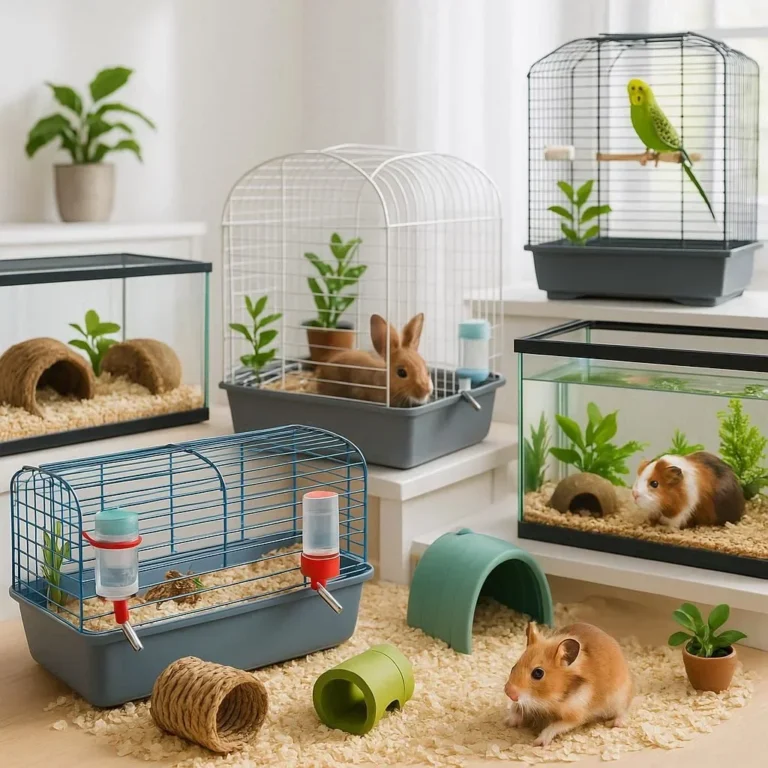
Small Birds That Make Lovely Pets
Goldfinch
- Size: 1.5–2 in
- Lifespan: 5–7 years in captivity
- Personality: Cheerful, hardy
- Care: Requires a well‑ventilated loft, seeds, and treats
- Beginner Friendly: Easy to maintain and mesmerizing to watch.
Parakeet (Budgie)
- Size: 5–6 in
- Lifespan: 8–12 years
- Personality: Social, talkative
- Care: Needs companionship, exercise on a perch, and a varied diet
- Why They’re Great: Affable nature encourages bonding, even for pet newbies.
Tiny Rodents for Cozy Homes
German Shorthaired Rat
- Size: 7–10 in, 16–30 oz
- Lifespan: 2–3 years
- Personality: Curious, trainable for simple tricks
- Care: Clean cage, enrichment toys, balanced diet
- Why They Appeal: They’re intelligent yet low‑maintenance, ideal for renters.
Dwarf Rabbit
- Size: 5–10 lb, 10–12 in
- Lifespan: 5–8 years
- Personality: Gentle, social, can be litter trained
- Care: Spacious enclosure, hay, fresh water
- Beginner-Friendly: Their loyalty and trainability make them an excellent first pet.
Frequently Asked Questions (FAQ)
Q: Do small pets still require regular vet visits?
- A: Yes—most small pets benefit from scheduled check‑ups every 6–12 months to catch early health concerns. Small breeds often have breed‑specific preventive care needs.
Q: How to keep a small dog or cat’s indoor environment safe?
- A: Secure loose wires, keep toxic plants out of reach, and provide enrichment toys to reduce destructive chewing.
Q: Are small birds social?
- A: Many small bird species thrive on interaction. Birds that need constant companionship (like budgies) may develop vocal or behavioral issues when left alone for long periods.
Making Your Decision
- Assess Your Commitment – Think about daily time, finances, cleaning, and travel.
- Research Specific Needs – Each breed has unique grooming, exercise, and health requirements.
- Visit Reputable Shelters or Breeders – Meet animals in person to gauge personality and health.
- Plan for the Long Term – Some small breeds may outgrow initial expectations; be ready for changes.
Take the First Step Toward A Furry (or Feathery) Friend
Choosing the right small pet can set the tone for years of companionship and joy. By weighing lifestyle, health, and love, you’ll find a species that not only fits your home but also brings endless smiles. If you’re ready to welcome a gentle presence into your daily life, explore reputable shelters and consult veterinarians. Let your new best friend bring warmth and adventure to your routine—small size, big love!