Creating a Dedicated Space for Pet Training and Play
Designing an environment where your furry friends can learn, exercise, and have fun is more than just setting up an area in your living room. A well‑planned training and play zone enhances your pet’s physical and mental well‑being, strengthens the bond between you, and keeps both the house and your pet safe. In this guide we’ll walk you through the science of training spaces, highlight real‑world examples, and provide practical steps to build a space that’s tailored to your pet’s needs.
Why a Dedicated Pet Training Space Matters
Many pet owners try to integrate training into everyday activities—walking the dog, vacuuming, or even cooking. While those moments are valuable, they often lack the consistency, focus, and reduced distractions that a dedicated space offers. Below are the key reasons to carve out a special zone:
- Improved Focus: A controlled environment eliminates common household noises and visual distractions, making it easier for pets to attend to commands.
- Safety & Boundary Creation: By designating a specific area, you can physically block off traffic lanes, stairs, or other potential hazards.
- Enhanced Learning Speed: Repetition in a familiar setting helps solidify behaviors more quickly, especially for young dogs or kittens.
- Reduced Owner Stress: Knowing where training takes place removes guesswork and helps you maintain a calm, confident approach.
For a deeper look into how environment shapes behavior, check out the Wikipedia article on Pet Training.
Key Elements of a Perfect Training Zone
Creating a training space is less about the furniture you choose and more about the environmental factors that influence learning. The following components are essential:
Flooring
- Non‑Traumatic Surfaces: Rubber mats or cork are ideal because they absorb impact and prevent slips.
- Easy to Clean: Choose materials that are stain‑resistant and can be wiped or vacuumed quickly.
- Texture Variety: Some pets like a slightly gritty surface for grip; others prefer a softer touch.
Lighting
- Natural Light: Position the zone near a window for daylight, which helps regulate circadian rhythms.
- Consistent Artificial Light: When natural light fails, use LED bulbs with a warm hue to avoid harsh shadows.
Ventilation
- Cross‑Ventilation: Opens or fans that circulate fresh air reduce the risk of overheating.
- Air Quality: Avoid drafts that may cause discomfort, especially for older pets.
Sound Levels
- Noise‑Reducing Materials: Acoustic panels or wall hangings can dampen household sounds.
- White‑Noise Devices: For highly sensitive breeds, a low‑volume fan or white‑noise machine can mask startling sounds.
Visual Clarity
- Minimal Clutter: Keep items to a minimum; clutter signals chaos.
- Bright, Consistent Color Palette: Light, neutral walls create an open feel, while accent colors can direct attention.
Choosing the Right Home Location
The placement of your training area can either amplify or dilute its effectiveness.
- Proximity to High‑Traffic Zones: Locate the space near a hallway or a dedicated indoor room to easily transition between training and daily life. A study from the American Kennel Club highlights that pets perform better when trained close to routine environments.
- Avoid Staircases: Keep the zone away from stairs to lower injury risk; use sturdy rugs to secure the area.
- Window Safety: If the space is near a window, secure screens or place a sturdy barrier to prevent accidental falls.
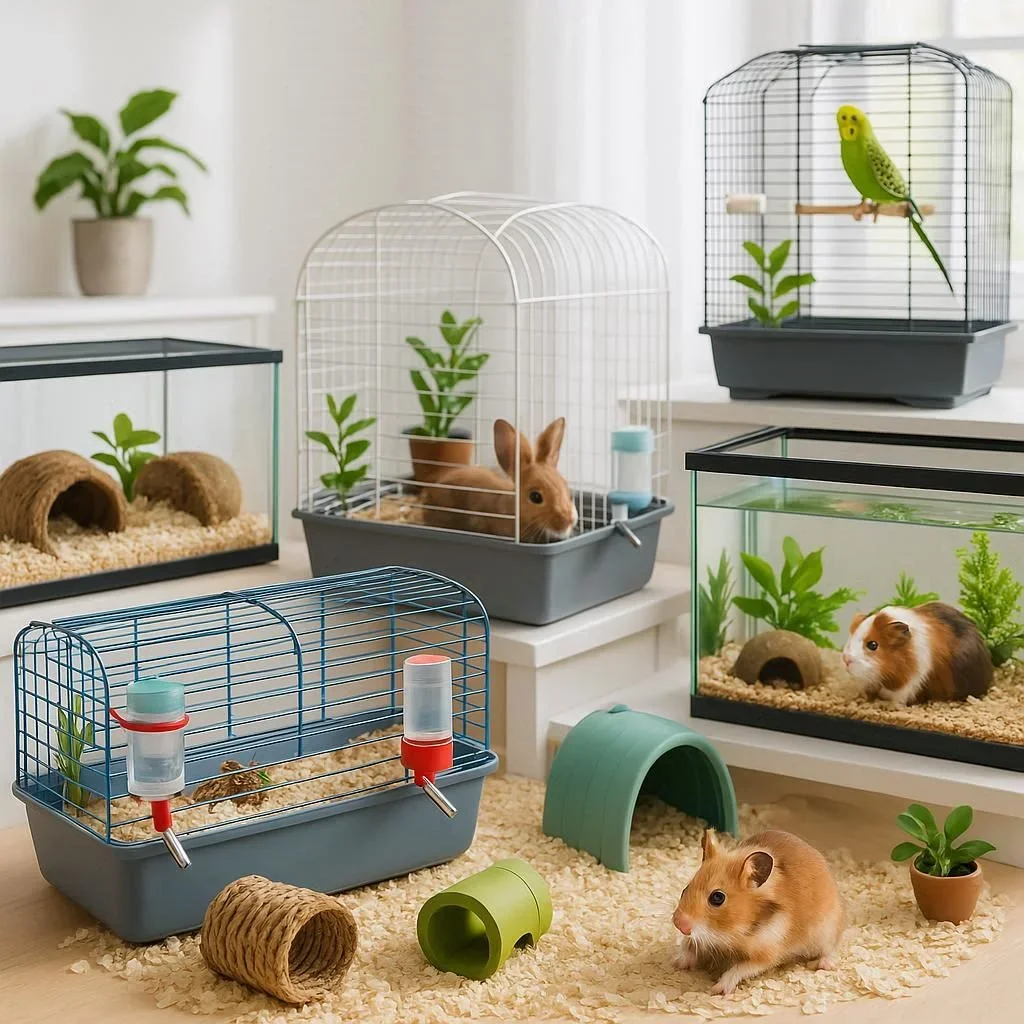
- Accessibility for Small Pets: For rabbits, birds, or rats, a lower‑level or ground‑level set‑up often works best. Tailor the height and layout accordingly.
The American Kennel Club Training Guide recommends creating a “training corner” that’s clearly defined and consistently used.
Design Tips for Various Pets
Different species have distinct needs. Below is a quick reference for customizing your space:
Dogs
- Clicker Training: Place a small clicker on a low table for easy access during sessions.
- Visual Signals: Use a clear flag or ribbon to indicate “stay” or “sit.”
- Reward Stations: Have a snack box ready, making the process quick and efficient.
Cats
- Vertical Play Elements: Add a cat tree or shelves; cats love to test boundaries up high.
- Hidden Shelves: Hidden spaces help reduce anxiety during training.
- Scent Markers: Use scent‑neutral markers to help cats associate the area with positive activities.
Small Mammals (Rabbits, Guinea Pigs)
- Barrier Walls: Keep loose clothing away; small animals can get tangled.
- Soft Mats: Prevent slips when they hop energetically.
- Noise Quiet: Use low‑volume music to reduce startling sounds.
Birds
- Perch Diversity: Different perches encourage agility drills.
- Safe Materials: Avoid synthetic fibers that can lint.
- Toys & Stimulation: Provide interactive toys like bells or mirrors.
Creating Zones Within Your Training Space
A single area can function multiple roles when designed strategically:
Targeting Zone
- Use a small target stick or a low flag. This is essential for commands like “touch” or “go to your spot.”
Practice Zone
- The central area where the pet performs commands. Keep it clear of obstacles except for the training objects.
Reward/Rest Zone
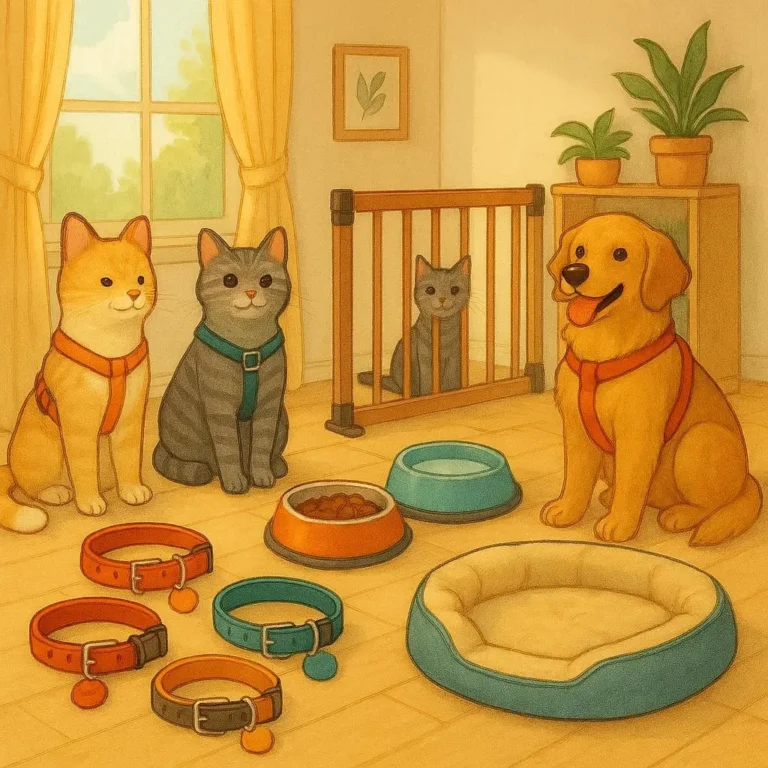
- Near the edge of the room, place a pet bed or treat holder so the animal feels comfortable and rewarded.
Essential Equipment and Tools
A well‑equipped space saves time and frustration. Consider the following staples:
- Clickers: Clicker training basics.
- Leashes & Ropes: Choose a length that allows movement without tangling.
- Training Aids: Treat pouches, tennis balls, or a tug toy.
- Markers: Chalk or post-it notes to outline boundaries temporarily.
- Record Keeping: A simple log or app for tracking progress, useful for veterinarians.
Safety First: Avoiding Hazards
Ensuring a hazard‑free training zone is non‑negotiable. Check off the following list each week:
- Loose Wires: Secure cords or cover them with cable sleeves.
- Sharp Edges: Round or cover furniture corners.
- Tobacco & Cleaning Products: Keep these off‑hand.
- Hidden Ledges: Inspect the area for any gaps or loose boards.
- Temperature Extremes: Maintain a comfortable range (ideally 60–75°F for most pets).
Maintaining the Space
A clean environment fosters better learning and reduces disease transmission.
- Daily Spot‑Cleaning: Remove vomit, droppings, or spilled treats immediately.
- Weekly Deep Clean: Wash mats, toys, and surfaces with pet‑safe cleaners.
- Seasonal Refresh: Rotate toys and treat locations to keep curiosity heightened.
- Schedule Consistency: Train at the same times each day; routine boosts memory.
Real‑World Examples & Success Stories
- K9 Training Centers: Many accredited centers, like those described by the American Kennel Club, use dedicated indoor arenas to refine obedience.
- DIY Home Setups: A popular YouTube channel, The Dog Trainer, showcases a simple living‑room conversion into a training pit—no special gym required.
- Academic Studies: Research published in the Journal of Applied Animal Welfare Science indicates that pets trained in consistent environments show a 30% improvement in task acquisition.
Frequently Asked Questions
- Can I do training in a shared room with other pets?
- Yes, but create separate zones to avoid overlaps and distraction.
- What if I live in an apartment with no basement?
- Use a high‑quality rug on a hallway floor or repurpose a guest room. Just maintain the key elements: low noise and clear boundaries.
- How long should a single training session last?
- For dogs, 5–10 minute sessions are optimal. For cats, keep it to 3–5 minutes, as they may get bored quickly.
- Do I need a professional trainer to set up my space?
- Not necessarily. Following this guide and using reputable resources (e.g., PetMD, AKC) will give you a solid foundation.
Conclusion & Call to Action
A dedicated pet training and play space isn’t just a luxury—it’s a cornerstone of responsible pet ownership. By thoughtfully selecting materials, positioning, and equipment, you create a haven that promotes learning, safety, and joy for both you and your animal companion. Your next step? Survey your home, pick that clear corner, and begin to transform it into a vibrant training hub. Your pet’s future starts here, one command at a time.
Ready to take the leap? Share your space ideas or questions in the comments below and join our community of pet lovers dedicated to creating the best environments for our four‑toed friends.