How to Ensure Your Small Pet Gets Enough Water Daily
Everyone loves their tiny companions, but keeping them properly hydrated can be a challenge. In this guide, you’ll find proven methods to ensure your small pet gets enough water daily—reducing illness, boosting vitality, and giving your furry friend the best life possible.
Understanding Small Pet Hydration Basics
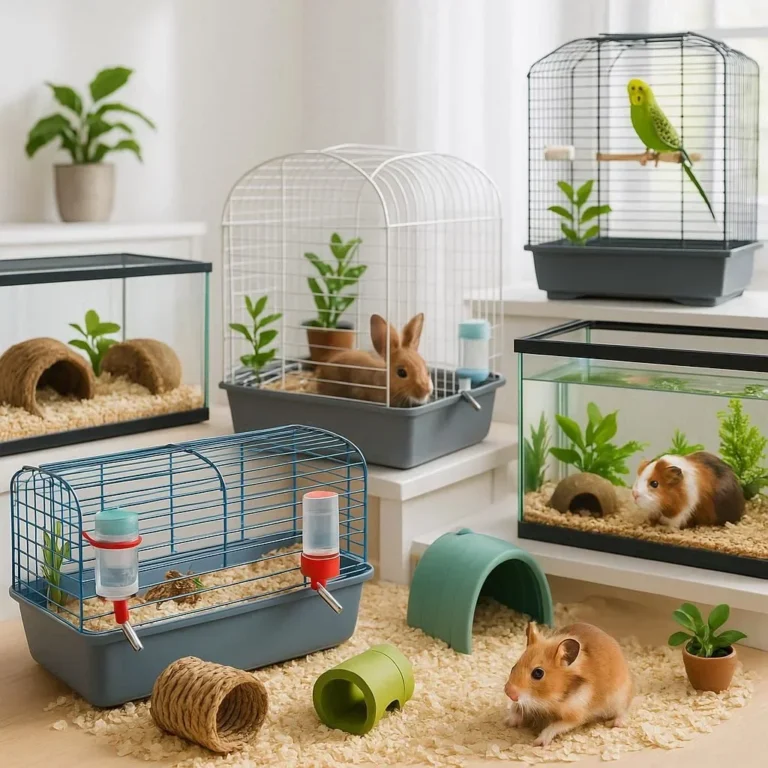
Small pets—such as rabbits, guinea pigs, hamsters, sugar gliders, and ferrets—require careful attention to hydration. Unlike larger animals, their bodies can lose fluid quickly due to high metabolic rates and the heat of their surroundings. The American Veterinary Medical Association (AVMA) recommends that small animals drink at least 5–10 ml per 100 g of body weight daily. This rule of thumb helps you gauge whether the water is enough.
- Key signals of dehydration: dry mucous membranes, lethargy, loss of skin elasticity, and thinning fur.
- Prevention is easier than treatment. A proactive hydration plan keeps your pet healthy and reduces vet visits.
1. Choose the Right Water Bowl
The shape, material, and placement of a bowl significantly influence drinking behavior.
Materials that Matter
- Ceramic or glass: Non-porous and easy to clean; best for rabbits and guinea pigs.
- Stainless steel: Durable, non-reactive, and ideal for ferrets or small reptile pets.
- BPA-free plastic: Affordable but should be washed daily to avoid bacterial growth.
Bowl Size and Design
- Rounded or flat base: Prevents drooling and accidental tipping.
- Depth: Avoid too deep bowls; shallow dishes encourage easier access, especially for smaller species.
- Gravity feed stations: Excellent for rabbits or rodents that prefer standing.
Placement Tips
- Keep the bowl off the floor to reduce contamination.
- Place it where the pet naturally spends time—near bedding or feeding area.
- Ensure it’s easily visible but not in the path of loud activity that could scare the pet.
2. Regular Water Checks – Daily Maintenance
Consistency is key. Make checking water intake a daily routine.
Morning and Evening Check
- A small glass or marked container can help you estimate how much was consumed.
- Leave the bowl for at least 4–6 hours before refreshing. If it’s empty or nearly so, you’ve met the hydration requirement.
Cleaning Schedule
- Daily: Wash with soap and hot water. Rinse thoroughly.
- Weekly: Use a pet-safe disinfectant (e.g., diluted bleach 1:9) to kill yeast and bacteria.
- Never leave water standing for more than 8 hours to avoid stagnant conditions.
3. Encourage Drinking – Behavioral Tricks
Some pets need a little nudge to keep sipping water.
- Add fresh fruit or cucumber slices (watch for sugar content in rabbits or guinea pigs). These also boost moisture intake.
- Shake the bowl gently to distribute the scent and sound, inviting curiosity.
- Use a water globe or hanging feeder that aligns with the pet’s natural behavior.
4. Monitor Food Impact on Hydration
What a pet eats can either help or hinder fluid balance.
- High-wet food ratio: Dry feed for small mammals lacks moisture; consider wet pellets or ingredients such as fresh herbs.
- Herbs and leafy greens can supply up to 30% hydration (for herbivores).
- Avoid overly salty or sugary treats that pull water from the body.
5. When to Seek Veterinary Help
Despite best efforts, some pets may still display signs of insufficient hydration.
- Persistently dry mouth or eyes.
- Pale gums or decreased pinna activity.
- Refusal to drink or cry when offered water.
In such cases, a professional visit is prudent, especially if they may be suffering from kidney disease, gastrointestinal upset, or heatstroke. According to a 2023 AVMA study, early detection of dehydration reduces recovery time by up to 40%.
6. Advanced Hydration Tools
If you’re caring for active or ultra-sports small pets, consider these.
- Drip Tube or Osmotic Feeders: Great for ferrets and sugar gliders with fast metabolisms.
- Watering Can with Adjustable Spout: Enables consistent, controlled watering in cold weather.
- Digital Humidity Monitors: Useful for reptiles; humidity levels over 60% help reptiles keep moisture.
7. Climate & Season Adjustments
Environmental factors affect fluid loss.
- In summer: Increase water availability, cool water, and offer mist sprays.
- In winter: Warm water (not hot) encourages usage; avoid excessive heating around water containers.
Stay tuned for climate-specific hydration updates for rabbit home owners and** guinea pig** caretakers.
8. Pet-Specific Hydration Tables
Different species have unique needs. Below is a quick reference:
| Pet | Daily Water Requirement (ml) | Notes |
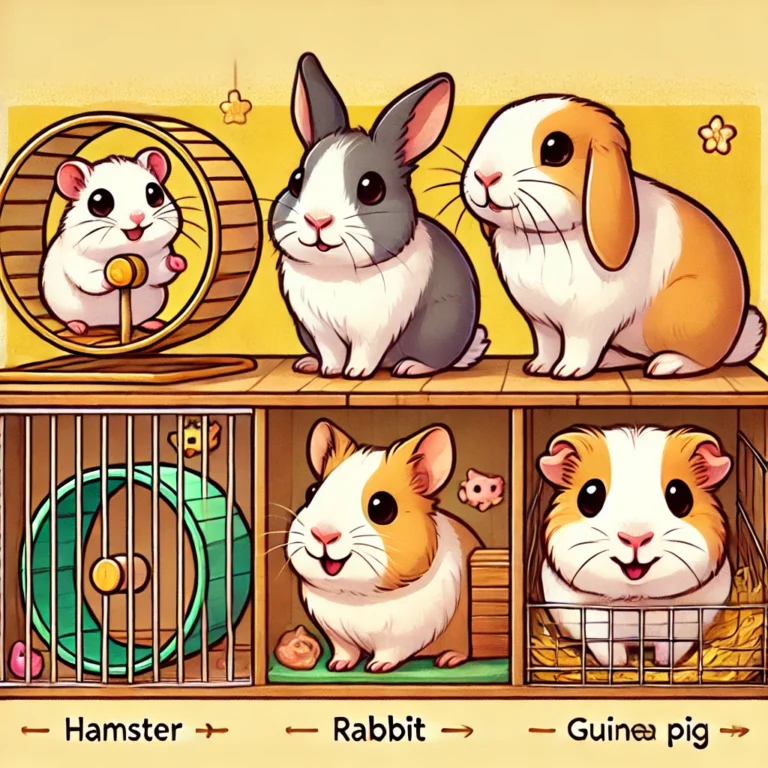
| Rabbit | 30–50 | Fresh hay increases moisture; avoid cold water |
| Guinea Pig | 50–70 | Provide water at least 3 times a day |
| Hamster | 4–5 | Small bowl; change daily |
| Sugar Glider | 10–15 | Use a straw or “water droplet” method |
| Ferret | 30–50 | Keep warm water available |
Quick FAQ
- Q: Can I give my pet tap water? A: Yes, but sterilize or filter if your water supply has high chlorine or pesticide residues.
- Q: How often should I replace the water bowl? A: Replace if the bowl has scratches or food residue that can harbor bacteria.
- Q: Does diet affect how much water I need to offer? A: Absolutely; high-fiber diets contain more moisture; low-fiber diets need supplemental water.
Conclusion – Keep Your Small Pet Hydrated, Healthy, and Happy
Keeping a small pet hydrated is a blend of science, routine, and observation. By selecting the right bowl, maintaining daily checks, and adjusting for diet and climate, you can ensure your companion stays healthy and vibrant. If you suspect your pet’s hydration levels are off, don’t hesitate to consult a vet—they’ll provide personalized adjustments that can make all the difference.
Take action today: set up your water station, schedule your clean‑up, and watch your pet thrive. If you found this guide helpful, leave a comment below, subscribe for more pet‑care tips, and share with fellow small pet lovers on social media. Together, we can ensure every tiny friend stays hydrated and healthy!