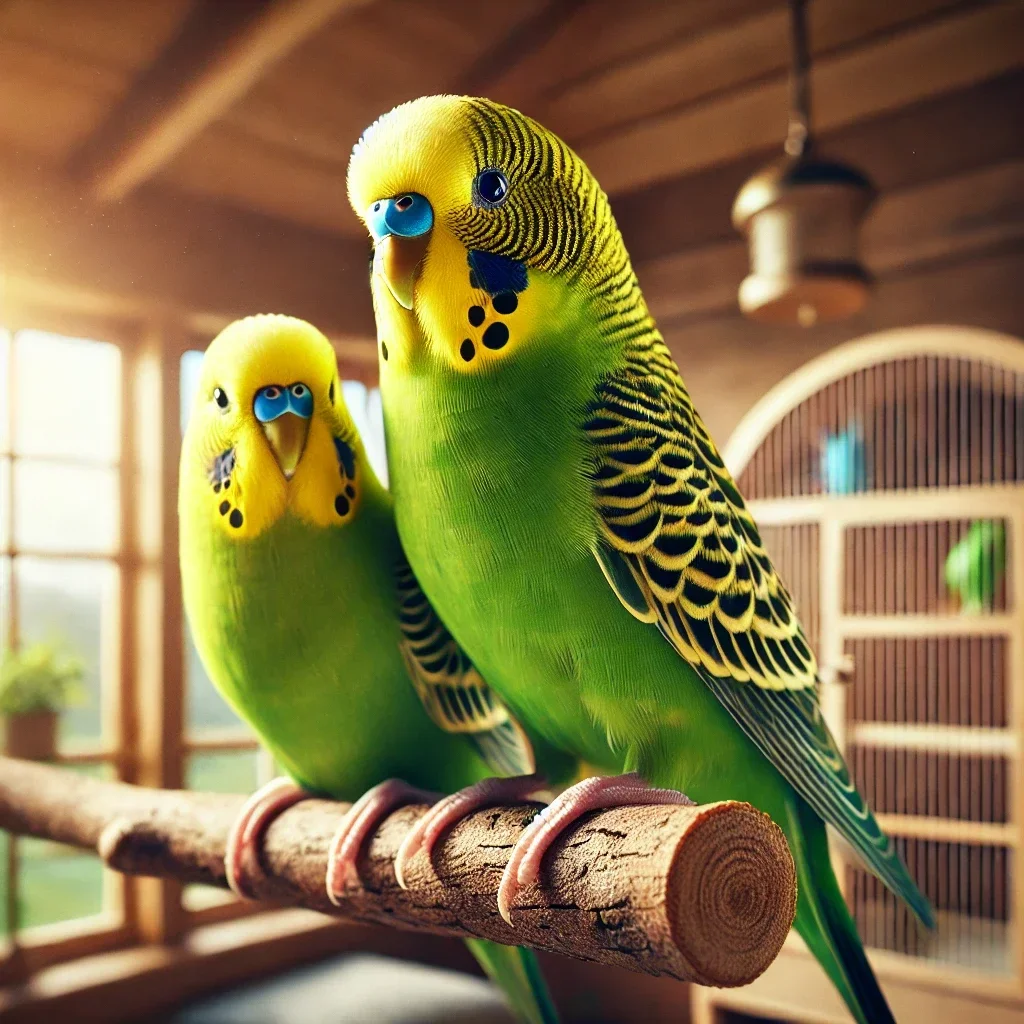
Preparing Your Bird for Breeding Season Responsibly
Puppies of the sky need more than just a cozy nest. Preparing your bird for breeding season responsibly means giving it the right health, nutrition, and environment to thrive while respecting ethical breeding principles.
Understand Your Bird’s Species‑Specific Breeding Cycle
Each avian species has a unique breeding rhythm shaped by evolution, geography, and social behavior. Knowing when your bird naturally enters the breeding window helps you avoid premature or prolonged exposure to stress.
Recognizing Hormonal Triggers
- Photoperiod: Many birds count daylight hours to induce gonadal development. Shortening days can signal winter and prepare for mating.
- Temperature: A drop in ambient temperature often triggers nesting instincts.
- Social Cues: Presence of a suitable mate, pecking or bowing displays, and increased vocalization typically indicate readiness.
Natural Breeding Signs
- Courtship Displays: Bright plumage flashing, tail fanning, and rhythmic songs.
- Nest Building: Collecting twigs, leaves, or fibers, even if you have a pre‑made nest box.
- Leaked Eggs: Some species may exhibit early, accidental laying; this is normal.
You can read more about these natural behaviors on the Wikipedia page for Bird Breeding.
Create an Optimal Breeding Environment
A well‑designed habitat is the cornerstone of responsible breeding. The goal is to mimic natural conditions without compromising safety.
- Housing: Provide a spacious cage or aviary, ensuring proper ventilation and a stable structure, free from drafts.
- Temperature: Maintain a range of 70‑80°F (21‑27 °C) for most tropical birds.
- Lighting: Use a 12:12 light/dark cycle that can be adjusted to simulate longer daylight during breeding months. LED fixtures with adjustable intensity help avoid glare.
- Humidity: Keep humidity at 40‑60% for many species; use a hygrometer to monitor.
- Cleanliness: Daily substrate change and spot‑cleaning reduce pathogen loads.
The Role of Enrichment
Enrichment goes beyond décor. It includes:
- Interactive Toys: Rotating perches, foraging puzzles, and mirror placement.
- Natural Materials: Dried twigs, bark chips, and foliage simulate foraging and nesting.
- Social Interaction: If housing a pair, allow them to practice bonding rituals.
These practices reduce anxiety, which can negatively affect reproductive hormones.
Dietary Regimens for Breeding
Nutrition fuels the entire reproductive process—from egg production to chick development. Tailor the diet to your bird’s species and life stage.
Protein‑Rich Foods
- Seed Mixes: Balanced blends like Pelican or Holland & Barrett provide 15‑25% protein.
- Crackers: High‑protein crackers (e.g., C&C brand) are a convenient snack.
- Fresh Vegetables: Spinach, kale, and carrot add vitamins and minerals.
- Fresh Fruit: Berries and apples in moderation offer antioxidants.
- Live Insects: Forcible choice includes mealworms and crickets—rich in omega fatty acids.
Supplements
- Calcium: Dusting with calcium chloride or leaf meal ensures eggshell integrity.
- Vitamin D: Provide UV‑B LEDs to promote vitamin D synthesis.
- Omega‑3s: Flaxseed or fish oil supplementation can enhance feather quality.
Professional guidance from a vet or an American Association of Avian-Breeders (AAAB) certified specialist ensures that you’re not over‑supplementing.
Health Checks and Preventive Care
A sound immune system is pivotal for a positive breeding outcome. Routine health monitoring reduces the risk of disease transmission to unpaired mates or future eggs.
- Annual Physical Exams: Confirm weight, wing condition, and overall vitality.
- Blood Work: Hematology panels identify anemia or iron overload.
- Parasite Control: Use safe deworming protocols; avoid over‑medication.
- Vaccines: For species susceptible to avian influenza or Newcastle disease, adhere to local veterinary authority schedules.
- Quarantine New Birds: Isolate strangers for at least 30 days before introducing them into your breeding ring.
For detailed veterinary protocols, see the USDA’s US Department of Agriculture website.
Ethical Breeding Practices
Responsibility extends beyond the individual bird—it involves a commitment to the species’ long‑term health and welfare.
Avoiding Overbreeding
- Limit Breeding Frequency: Allow at least 12‑18 months of rest between cycles.
- Assess Egg Production: If eggs are laid more than every 3‑4 weeks, intervene.
- Plan for Broods: Prepare enough resources (food, space) for all fledglings.
Selecting for Genetic Diversity
- Avoid Inbreeding: Keep a record of lineage; use pedigree software or an online registry.
- Prioritize Healthier Lines: Prefer birds with robust respiratory and skeletal systems.
- Rotate Mates: If breeding multiple pairs, alternate partners to spread genetic variance.
These principles align with the Avian Ethical Breeding Code and help maintain a healthy captive population.
Record‑Keeping and Breeding Plans
Documenting every aspect of the breeding process provides data for future decisions and ensures compliance with regulations.
- Breeding Log: Note dates of pairing, egg incubation, hatching, and fledgling milestones.
- Health Records: Attach vet reports, lab results, and medication logs.
- Feeding Schedule: Track daily intake of seeds, pellets, and supplements.
- Environmental Notes: Note temperature shifts, light changes, or enclosure modifications.
Digital tools such as Brewster or custom Google Sheets can streamline data capture and shareable reports.
Partnering with Reputable Avian Specialists
Even the most diligent bird owner may need guidance. Aligning with accredited specialists ensures your practices meet industry standards.
- Veterinary Clinics: Choose a clinic with avian specialists certified by the American Board of Avian Practitioners.
- Breeding Associations: The Avian Breeders Association offers webinars and mentorship.
- Educational Resources: The Cornell Lab of Ornithology provides research on avian reproduction.
These resources not only refine your methods but also help connect you with a network of responsible breeders.
Conclusion
Preparing your bird for breeding season responsibly blends scientific knowledge, compassionate care, and ethical judgment. By understanding species‑specific cues, creating optimal environmental conditions, prioritizing nutrition, maintaining rigorous health checks, and adhering to ethical breeding standards, you set the stage for a thriving avian life cycle. Continuously update your practices, stay informed through trusted resources, and engage with professionals to refine your approach.
Take action today—review your bird’s routine, update its diet, and schedule a vet checkup. Join a local breeding group or online forum to share experiences and stay connected. Your responsible stewardship not only enhances the lives of your birds but also contributes to the welfare of the broader avian community.