How to Groom Your Cat at Home Without Stress
Cat grooming can feel daunting, but with the right techniques it becomes a calm, enjoyable routine for both you and your feline friend. In this guide we’ll break down the essentials so that you can groom your cat at home without stress, ensuring a healthier coat and stronger bond.
Why Stress‑Free Grooming Matters
Cats are naturally clean animals, yet a lack of grooming can lead to problems such as matting, skin irritation, or even thyroid issues. According to the American Veterinary Medical Association, regular brushing can reduce shedding by up to 25 % and improve blood circulation around the skin.
Stress during grooming can trigger a fight‑or‑flight response, causing your cat to scratch, bite, or run away. This not only makes the process painful but can also damage the trust you’ve built. A calm environment, familiar tools, and patient handling are key to preventing this.
Gather the Right Tools
- Brush or Comb – Choose a slicker brush for short‑haired cats and a wide‑toothed comb for long‑haired breeds.
- Nail Trimmers – Use quick‑cut scissors designed for pets to avoid cutting the quick.
- Cat‑safe Shampoo – Opt for hypoallergenic, tear‑free formulas.
- Towel – A soft towel for drying after bath sessions.
- Treats & Praise – Positive reinforcement keeps your cat calm.
How to Pick a Brush
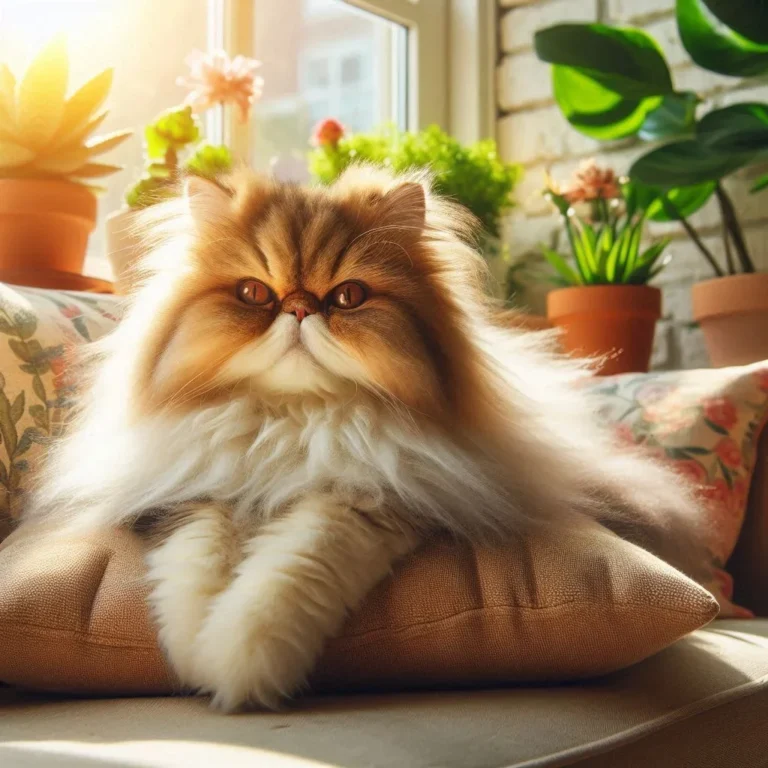
The type of brush depends on your cat’s coat. A “slicker brush” is great for removing loose hair, while a “bristle brush” works well for long fur. If your cat has sensitive skin, a soft‑bristle brush or a tangy comb might be ideal.
Create a Calm Environment
- Choose the Right Time – Groom during times when your cat is naturally relaxed, such as after a play session.
- Set the Scene – Warm, dim lighting prevents visual overstimulation.
- Play Soft Music – Calming tunes can lull your cat into a relaxed state.
- Use a Non‑Slip Surface – Place a towel or mat to prevent slipping.
A quiet corner with a supportive surface reduces anxiety, especially for first‑time groomers.
Step‑by‑Step Grooming Routine
1. Get the Cat Comfortable
- Sit on the floor beside your cat.
- Gently stroke its head and belly to build trust.
- Offer a small treat to signal a positive experience.
2. Brushing Techniques
- Short‑haired cats: Brush in the direction of hair growth. This removes loose hair and stimulates the skin.
- Long‑haired cats: Work small sections, using a comb to untangle mats before brushing.
- Ears & Face: Use a damp cotton ball or ear cleaner recommended by your vet. WebMD Cat Skin Care explains safe ear hygiene.
3. Nail Care
- Hold the paw gently, exposing the nails.
- Clip only the tip, avoiding the pink “quick.”
- If you’re unsure, consult your veterinarian or a certified groomer.
4. Bathing (If Needed)
- Cats usually don’t require frequent baths. Only bathe when necessary (e.g., a medical condition).
- Use lukewarm water and a pet‑safe shampoo.
- Rinse thoroughly and dry with a towel.
For a deep dive on cat bathing protocols, see the Cornell University Veterinary Handbook on cat grooming practices.
5. Aftercare and Rewards
- Once grooming is complete, give your cat a treat and a gentle massage.
- Praise loudly; use a calm voice to reinforce the positive experience.
- Offer a favorite toy afterward.
Common Grooming Mistakes to Avoid
- Forceful handling – This can cause muscle tension and fear.
- Skipping the undercoat – Leaves mats & reduces skin health in long‑haired cats.
- Ignoring signs of discomfort – Pulling or vocalizing when touching a sensitive area may signal pain.
- Using the wrong brush – A harsh bristle can scratch the skin.
If you notice swelling or skin irritation after grooming, consult your veterinarian. The Wikipedia entry on cat grooming lists common issues and remedies.
Tips for Grooming Sensitive or Senior Cats
- Short sessions – Keep each grooming bout 5‑10 minutes.
- Patience – Let the cat lead the pace.
- Use pheromone diffusers – Calming synthetic cat pheromones can reduce anxiety.
- Professional help – For older cats with arthritis, a spa‑style grooming session with a vet or certified groomer may be safest.
Tools and Resources
| Tool | Why It Helps | Reference |
|——|————–|———–|
| Slicker brush | Removes loose hair & prevents mats | American Society for the Prevention of Cruelty to Animals |
| Nail trimmers | Keeps nails at healthy length | Veterinary Partner |
| Cat‑friendly shampoo | Minimizes skin irritation | PetMD |
Conclusion: Making Grooming a Bonding Ritual
Grooming your cat at home doesn’t have to be stressful. With the right tools, preparation, and a gentle touch, you can transform it into a rewarding experience that promotes your cat’s health and deepens your connection. Start small, celebrate each milestone, and soon you’ll both look forward to the next session.
Ready to make grooming a breeze? Share your favorite grooming tips in the comments below or tag us on social media with #StressFreeCatGrooming. Let’s create a world where every cat feels clean, comfortable, and loved!