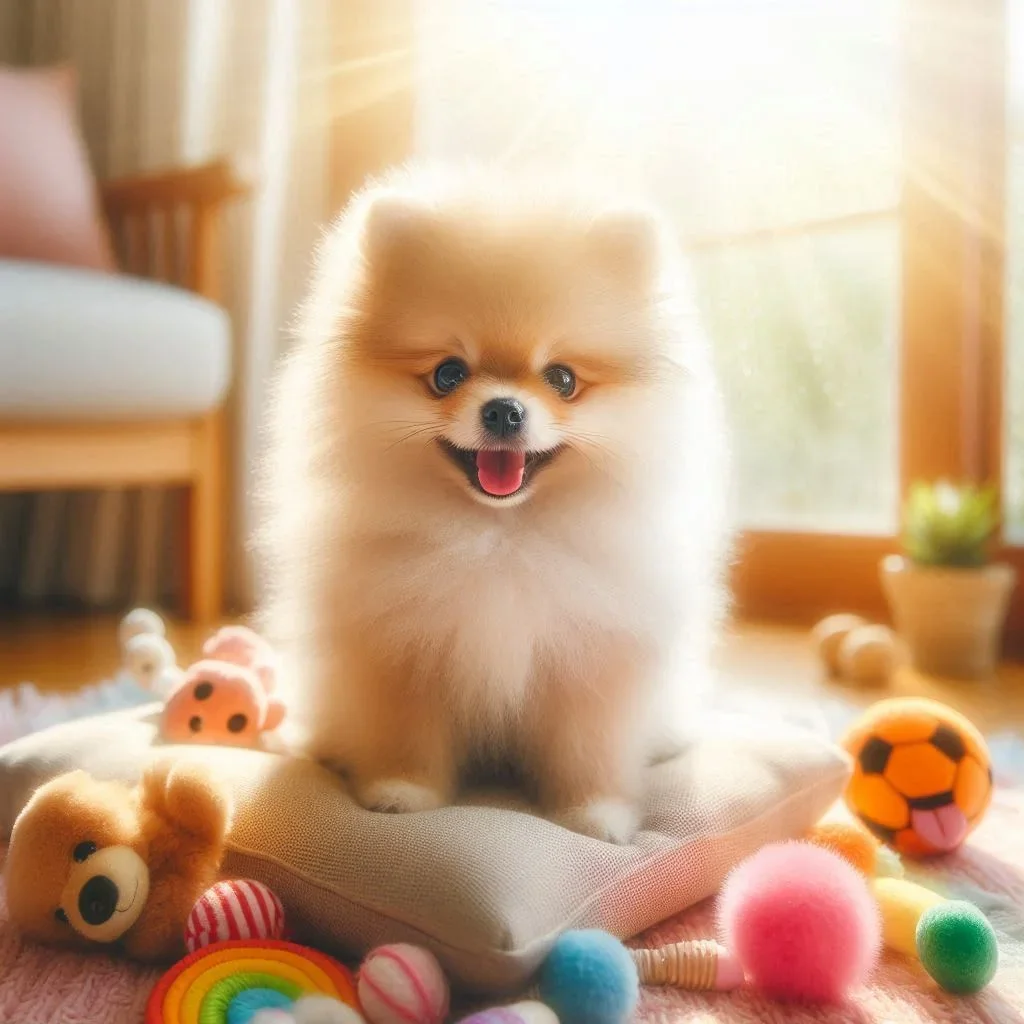
How to Craft a DIY Tug Rope Toy for Dogs
As a devoted dog owner, you know the instant joy that a good tug session brings to your pet and to your own life. But all those commercial toys can be expensive, hard to find in the right size, or, worst‑case, made with synthetic fibers that your dog might ingest. A handmade tug rope toy solves all these problems: it’s inexpensive, fully customizable, and you can choose only the safest, most durable materials.
Understanding the Benefits of Tug‑of‑War
The game of tug‑of‑war is more than a fun distraction—it offers several tangible benefits for both dogs and owners:
- Social bonding: The shared activity strengthens the human‑dog relationship.
- Physical exercise: Tug sessions are a high‑intensity workout that improves muscular strength.
- Mental stimulation: The unpredictability of the pull teaches dogs to adapt and stay focused.
- Behavioral training: Controlled tug helps reinforce good manners such as “drop it” and “take it.”
These advantages are supported by the American Veterinary Medical Association’s recommendations on canine enrichment: AVMA Dog Training emphasizes interactive play as a key component of a healthy lifestyle.
What You’ll Need
Creating a sturdy tug rope toy is surprisingly simple. Assemble the following materials before you start:
| Item | Suggested Material | Why It Works |
|——|——————–|————-|
| Core rope | 100‑yard of natural, 100% cotton or hemp | Breathable, strong, easy to dye |
| End knots | Cotton or synthetic yarn | Prevents fraying at the tips |
| Optional accessories | Dog‑safe paint or dye, crinkled paper, beads, or a small bell | Adds scent, texture, or auditory cues |
Tip: Always choose a rope that has a square core, as they tend to hold knots well without fraying.
Step 1: Measure and Cut the Rope
The ideal length for most adult dogs is 24 to 36 inches before you add the end knots. For smaller breeds, shorten to 18‑20 inches. Measure twice, cut once to avoid waste.
- Mark the cut point with a washable marker.
- Use a utility knife or sharp scissors for a clean cut.
Step 2: Add End Knots for Durability
A firm knot prevents your dog from chewing through the rope and swallowing hazardous debris. Use the overhand knot or a bowline depending on rope thickness.
- Fold the rope back on itself to create a loop.
- Wrap one end around the standing part twice.
- Finish with a snug knot, and secure it by tying the loose end with yarn.
For a decorative touch, apply a contrasting color of yarn to each knot.
Step 3: Optional Texture and Scent Enhancers
Adding extra features boosts engagement and can calm nervous dogs. Here’s how:
- Crinkled paper: Slip a sheet into each knot to produce a satisfying squeak.
- Dog‑safe paint: Use a quick‑dry, non‑toxic paint (e.g., PetSafe or PETA approved colors) to create a rainbow of visuals.
- Beads or bells: Sew small, non‑sharp beads onto each side to add a rhythmic sound.
Always supervise your dog during the painting process to ensure no paint gets ingested.
Step 4: Safety Check – No Loose Parts
A toy should never have loose or detachable parts that your dog could swallow. Inspect:
- Knot integrity: Make sure knots do not loosen during pulling.
- Tightness of additives: Beads or crinkled paper must be secure.
- Paint edges: Let paint dry fully before letting your dog play.
If you notice any wear, patch up or replace the affected part immediately.
Step 5: Introduce the Toy Gradually
Even the best‑crafted toy needs a gentle introduction.
- Play a calm session: Encourage your dog to play, watching closely for signs of overenthusiasm.
- Teach commands: Incorporate “take it” and “drop it” to maintain control.
- Limit sessions: Start with 5‑minute intervals and gradually increase as the toy withstands the stress.
The American Kennel Club’s guide on dog play stresses moderation and safe supervision: AKC: Play With Your Dog.
Caring for Your DIY Tug Toy
Longevity depends on routine care.
- Wash the toy after heavy use or after each week of play. Most natural fibers withstand machine wash; avoid bleach.
- Dry fully in a shaded area to prevent mildew.
- Replace any torn sections promptly to avoid ingestion.
- Periodically re‑apply paint or add fresh crinkled paper if they begin to fray.
Common Mistakes to Avoid
| Mistake | Consequence | Fix |
|——–|————-|——|
| Using synthetic fibers | Can melt or release toxic fumes if chewed | Use natural cotton or hemp |
| Leaving loose yarn ends | Dogs may swallow | Tie off all loose ends securely |
| Over‑stretching the rope | Weakens core and causes breakage | Add multiple knots, use thicker rope |
| Ignoring hygiene | Builds up bacteria or parasites | Regular wash, dry thoroughly |
The Science Behind Tug Play
Research from the Journal of Veterinary Behavior (2018) found that dogs engaging in controlled tug sessions exhibit lower cortisol levels compared to passive play. This indicates that a well‑designed tug rope can calm anxious dogs while offering physical benefits. Incorporating tactile variety—smooth cotton, rough crinkle, or a resonant bell—activates multiple sensory pathways, enhancing mental engagement.
Final Thoughts
Crafting a DIY tug rope toy is not only economical but also a creative way to bond with your pet. By following these simple steps—measuring, knotting, adding textures, safety checking, and caring—you’ll provide a safe, stimulating toy that keeps your dog’s jaws exercised and spirits high.
Ready to get started? Gather your materials, roll up your sleeves, and let the tug sessions bring more joy to your home. Remember to keep safety first, enjoy the process, and watch your loyal companion thrive!