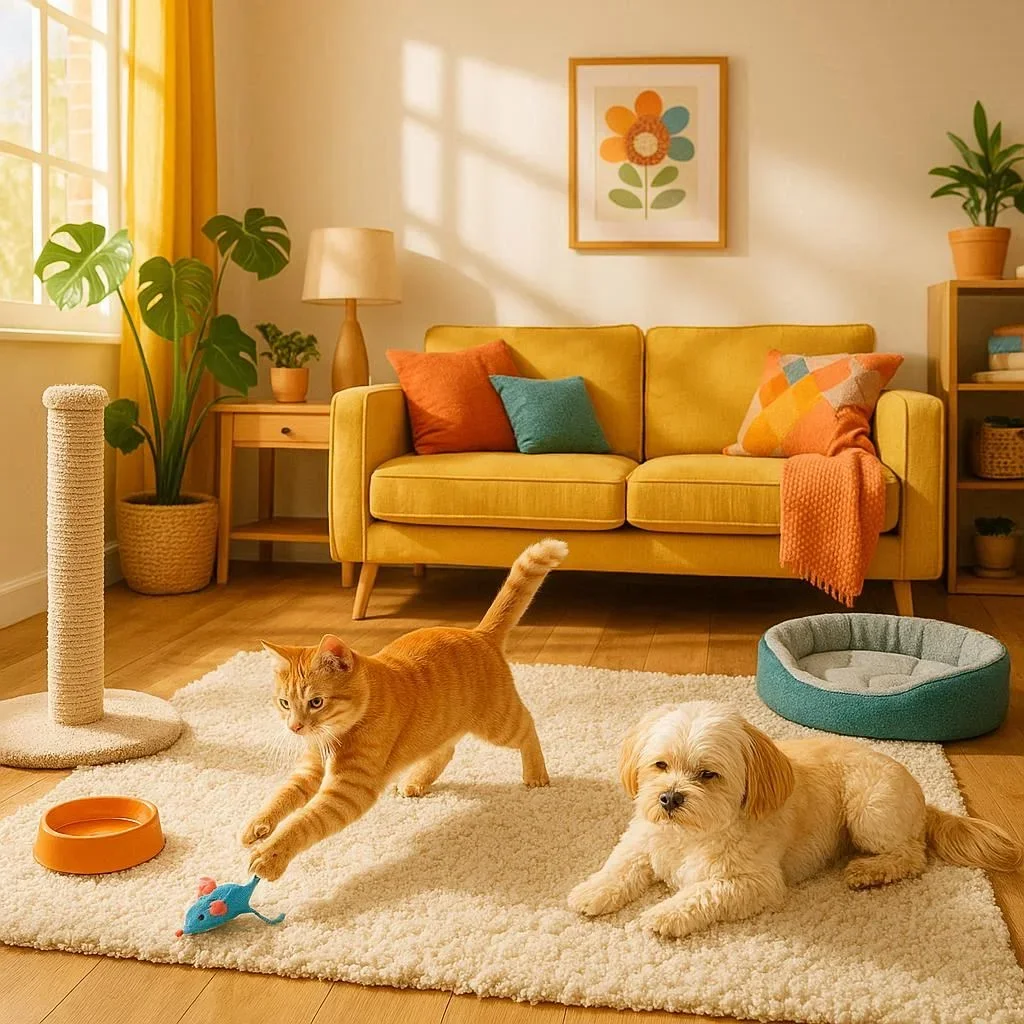
Designing a Pet‑Safe Corridor with Soft Flooring
In today’s homes, pets are more than companions—they’re family members who deserve the same safety and comfort as their human counterparts. One often overlooked area is the corridor, the arterial pathway that connects rooms and keeps family members moving efficiently. \n\n# Why A Soft‑Floored Corridor Matters for Pets \n\nWhen designing a corridor that’s both functional for humans and safe for pets, the flooring choice plays a pivotal role. Soft flooring, such as rubber, cork, or fitted carpet, offers:
- Reduced injury risk: Cushions falls, mitigating stress on joints and paws.\n- Lower noise levels: Echo and slam are less pronounced, preventing stress‑induced behaviors in dogs and cats.\n- Enhanced traction: Preventes slips during playful activity or after a meal, especially on wet surfaces.\n- Easy cleaning: Pet hair, dander, and accidental spills can be wiped or vacuumed without damage.\n\nFor a deeper look into how flooring impacts pet health, visit the American Kennel Club’s guide on Pet‑Safe Rooms.\n\n# Flooring Options: A Comparative Overview \n\nBelow is a concise comparison of three popular soft‑flooring materials ideal for pet corridors.
| Material | Pros | Cons | Ideal Pet Types |
| Rubber | • Durable, shock‑absorbent
• Slip‑resistant
• Easy to sanitize | • Can be costly
• May emit a faint odor when new | Dogs, cats, and small mammals |
| Cork | • Natural and renewable
• Soft underfoot
• Antimicrobial qualities | • Requires sealing to resist moisture |
| Carpet 4‑ply | • Comfort for paws and joints
• Varied color options
• Dimmable light | • Can trap allergens
• Needs regular vacuuming | Dogs, cats, long‑haired breeds |
For material-rich details and specifications, the Wikipedia entry on Flooring provides a solid foundation.\n\n## Steps to Create a Pet‑Safe Corridor \n\n### 1. Identify Key Corridors \n
Map the most trafficked pathways: entrances, stairways, kitchen passageways, and pathways to the back‑yard. These zones will receive the most attention, and ensuring ample soft flooring here yields the greatest safety return.\n
2. Evaluate Substrate & Surface
A well‑structured subfloor is essential. Check for unevenness or cracks. A level base reduces the probability of slips or tripping hazards. If the current floor is hardwood or tile, a third‑party baseboard or floor underlay can be added to create a level surface before installing soft flooring.\n
3. Choose the Right Soft Material
- For homes with multiple pets or high traffic, rubber or carpet 4‑ply stands out for durability.
- If you’re environmentally conscious, cork offers a green alternative that still delivers cushion benefits.
Consider an EPA‑approved product when choosing carpet to guard against potentially harmful volatiles.\n
4. Install Seamless or Low‑Profile Tiles
Seamless gloss eliminates pockets where fur or moisture can accumulate. Low‑profile tiles or modular planks also reduce tripping hazards because they blend more naturally with the corridor’s floor lines. The use of sealant helps preserve the material’s softness and prevents dirt from gathering in seams.\n
5. Add Edge Protection & Anchoring
Soft‑flooring but not without a boundary. Use stretch plasters or shoe‑leg fillers at transitions (e.g., between corridor and living room). Additionally, anti‑slip strips or textured mats can be installed along the corridor’s length to maintain traction when the floor is wet or clean‑up spills occur.\n
6. Incorporate Pet‑Friendly Visual Aids
Install low‑profile pet doors or loops with sturdy handles near the corridor’s high‑traffic corners. Incorporate soft‑tactile octagonal mats that guide your pet’s paws without startling them. Providing elevated spaces (e.g., narrow drop‑off platforms) along the corridor offers a quick retreat from high‑activity areas.
Maintenance Tips: Keep It Clean and Safe
A soft corridor is only as safe as the cleanliness it receives. The following routine ensures the floor remains supportive, odor‑free, and hazard‑free:
- Daily vacuuming—use a pet‑friendly brushing attachment to remove fur and dander.\n- Spot‑cleaning—apply a mild, pet‑safe floor cleaner like a vinegar–water solution when spills occur.\n- Monthly inspection—check the seams for wear or mold. Replace any damaged sections at the earliest to prevent slips.\n- Weekly deep‑clean—opt for a steam cleaner that is gentle on the floor’s surface but effective against bacteria and allergens.\n
Reliable veterinary advice on floor care for pets can be accessed here: PetMD: Soft Floors for Dogs.
Potential Health Impacts of Hard vs. Soft Flooring
Hard Flooring Risks
- Joint stress: Repetitive impact on joint structures similar to human runner injuries, especially in breeds with hip problems.
- Delayed training: Cats and dogs may develop avoidance behavior caused by sudden static or uneven surfaces.
- Allergies: Dust and allergens can accumulate between tile and subfloor, aggravating respiratory issues.
Soft Flooring Benefits
- Shock absorption: Mitigates the risk of osteoarthritis‑related motion pathology.\n- Enhanced sensory satisfaction: Pets feel more relaxed, fostering overall behavioral health.
- Decreased infection risk: Soft surfaces can retain moisture, encouraging beneficial microbial flora when properly cleaned.
Studies from the American Veterinary Medical Association’s Journal of Veterinary Dermatology affirm that cats with suitable carpet textures show a 40% drop in self‑grooming overlong pets due to a more comfortable surface.
Frequently Asked Questions (FAQs)
1. Can I leave a pet-owned rug on a soft‑corridor?
Yes, as long as the rug’s backing is slip‑resistant and the fabric itself does not trap allergens.
2. How long do soft flooring options last in high‑traffic pet homes?
With daily care, high‑quality rubber or carpet 4‑ply can last 7‑10 years before showing perceptible wear.
3. Is it safe to use glue or adhesive under the soft floor?
Absolutely. Use a pet‑safe, non‑VOC adhesive. For an environmental check, read details on EPA safety guidelines.
Conclusion: Toward a Harmonious Home
A corridor isn’t just a passage; it’s a shared space where humans and pets interact daily. By prioritizing soft flooring, homeowners create a safer, calmer environment that protects vulnerable joints, reduces noise, and eases maintenance burdens. Your pets will benefit from lower injury risk and higher comfort; you’ll gain a hassle‑free corridor that opens possibilities for stylish décor choices.
Next step? Begin by mapping your corridor’s critical pathways, choose the material that best aligns with your pet’s needs, and commit to regular maintenance. Remember: a well‑designed corridor fosters healthy interactions and elevates overall home wellness.
Ready to upgrade? Contact a local flooring expert to discuss your options or share this guide with fellow pet lovers who deserve a safer, softer staircase corridor. Happy designing!