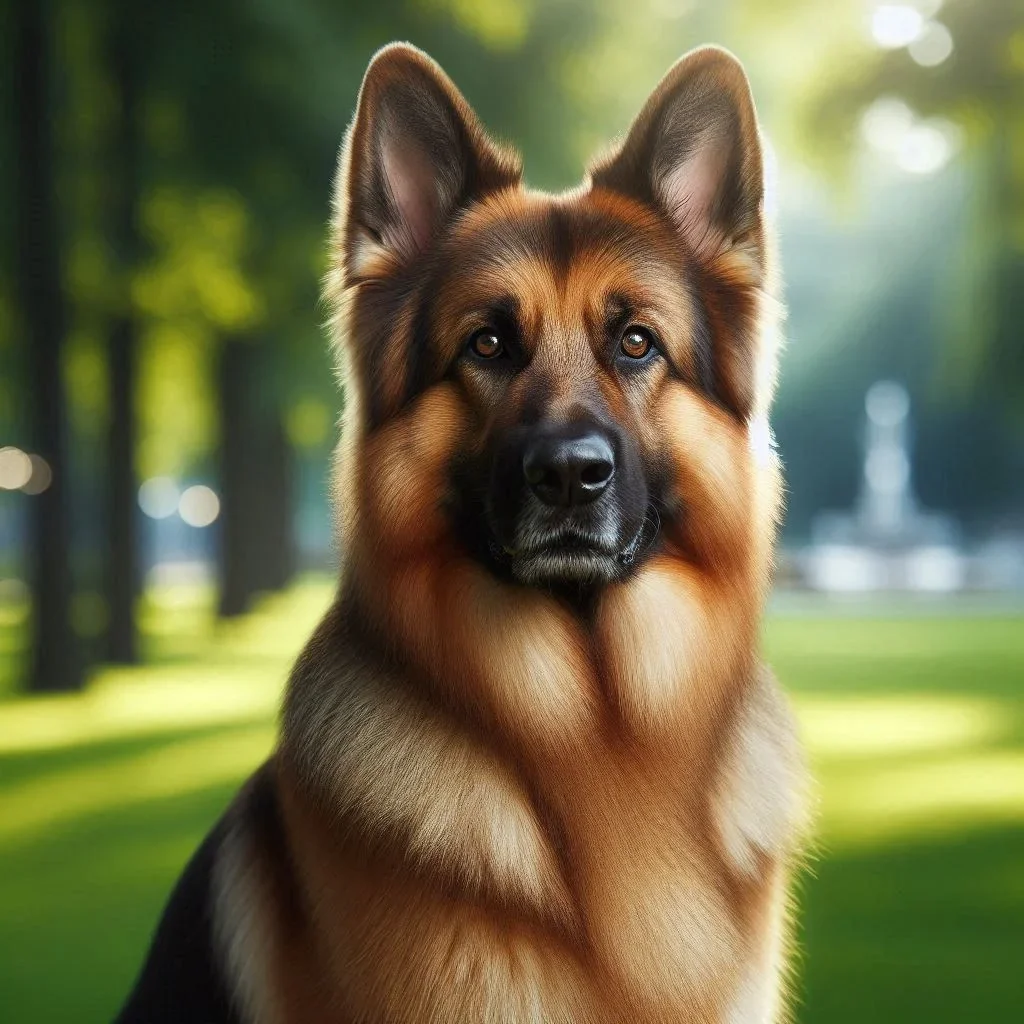
How to Create a Safe and Engaging Dog Play Area at Home
Choosing a dedicated play zone for your canine friend is an investment in their health and happiness. A well‑planned dog play area helps prevent boredom, reduces destructive behavior, and keeps your animal physically fit.
Why a Safe Dog Play Area Is Essential
Dogs are natural explorers. When they lack a secure space to run, jump, and chew, they often turn to household items, furniture, and even your slippers as entertainment. A safe play area:
- Encourages regular exercise – the American Kennel Club recommends 30‑60 minutes of activity daily for most breeds.
- Minimizes anxiety – structured play reduces cortisol levels, according to research from the University of Tennessee.
- Protects home furnishings – a designated zone keeps your couch, tiles, and rugs intact.
Creating a zone that satisfies these needs means blending safety, variety, and sensory stimulation.
Step 1: Pick the Right Spot
- Assess the floor – Choose a surface that’s forgiving for paws: rugs, tatami mats, or padded flooring. Avoid slippery hardwood if your dog loves to bound.
- Consider proximity to exits – If your dog is high‑energy, a spot near a door can help manage excitement and reduce risk if they suddenly want to run.
- Check ventilation and temperature – Dogs overheat quickly; outdoor or well‑ventilated indoor areas are preferable.
Outdoor vs. Indoor
Outdoor play areas are ideal for larger breeds and those that enjoy digging. An enclosed yard, garden, or patio gives freedom without neighbor complaints.
- Indoor alternatives: Use a dedicated room, a small hallway, or a corner with heavy carpet. To imitate the outdoors, add an artificial grass patch or a window view of a tree.
Step 2: Design the Space for Physical Activity
- Add an agility course – Endow your area with tunnels, weaving poles, and small jumps.
More about agility training - Provide a sturdy fetch zone – If you have a throwbox or hit‑box, place it where dense objects aren’t a risk.
- Install a durable obstacle – Walls or makeshift ramps help dogs practice memory and coordination.
Step 3: Select Safe, Stimulating Toys
Your dog’s toys should be:
- Non‑toxic – Ensure no small, swallowable parts.
- Durable – For relentless chewers, opt for high‑quality rubber or woven nylon.
- Varied – Combine plush, interactive, and puzzle toys.
| Toy Type | How It Helps | Example |
| Interactive Puzzle | Mentally stimulating | Outward Hound’s “Think & Treat” |
| Chew Loop | Physical therapy | Nylabone 3‑inch Chew Loop |
| Plush | Comfort & bonding | KONG Qwiz Rattle |
Tip: Rotate toys every 2‑3 weeks to keep your dog intrigued.
Step 4: Secure the Environment
Physical Safety
- Cover electrical cords – Use cord protectors or tape cords out of sight.
- Clear furniture – Create free floor space, especially if your dog enjoys high‑jumping.
- Check for hazards – No loose rugs or sharp tiles that might injure paws.
Fencing & Enclosures
For outdoor spaces, consider:
- Pet‑friendly fencing – Smooth surface, avoid metal spikes.
- Overhead netting – Prevent swooping birds or falling debris.
- Check for escape routes – A small door that won’t slide open if your dog nudges it.
Step 5: Incorporate Sensory Elements
A thriving play area incorporates all five senses:
- Visual – Colorful flags or motivational signs.
- Auditory – Soft background music or recorded ocean waves can calm nervous dogs.
- Olfactory – Sprinkle a safe scent like de‑odorizing lavender items.
- Tactile – Mixed flooring textures; a hot/cool mat for balanced muscle support.
- Taste – Time to sweep and wash surfaces after treats are used.
Research from Cornell University demonstrates that dogs with multi‑scent environment show lower stress porcine behavior in experiments.
Step 6: Offer Hydration & Rest
Keep a shallow water bowl near the play area. After intense play, a firm but soft rug helps them tend to their paws. A shaded corner or a small “tent” for shade provides a quick transition from play to rest.
Step 7: Establish Rules & Training
A play zone is only as safe as the routines you set:
- Teach boundaries – Use verbal commands like “Sit,” “Stay,” and “Leave it”.
- Reward adherence – Tiny treats, praise or a quick cuddle when the dog respects limits.
- Charge the toys – Regularly replace damaged toys to avoid ingestion of harmful materials.
Consistency ensures your pup sees this zone as a trustworthy safe haven.
Maintaining the Playground
- Weekly cleaning – Wash toys, mop the floor, and de‑odorize.
- Monthly inspection – Check for loose nails, frayed ropes, or growth of mould.
- Seasonal upgrades – Add a cooling mat in summer or a heating pad for colder months.
Tips for Specific Breed Needs
| Breed | Special Needs | Suggested Add‑Ons |
| Labrador Retriever | High energy, fetch lover | Weighted ball delivery system |
| Chihuahua | Small & fragile | Mini agility rails & feather drag |
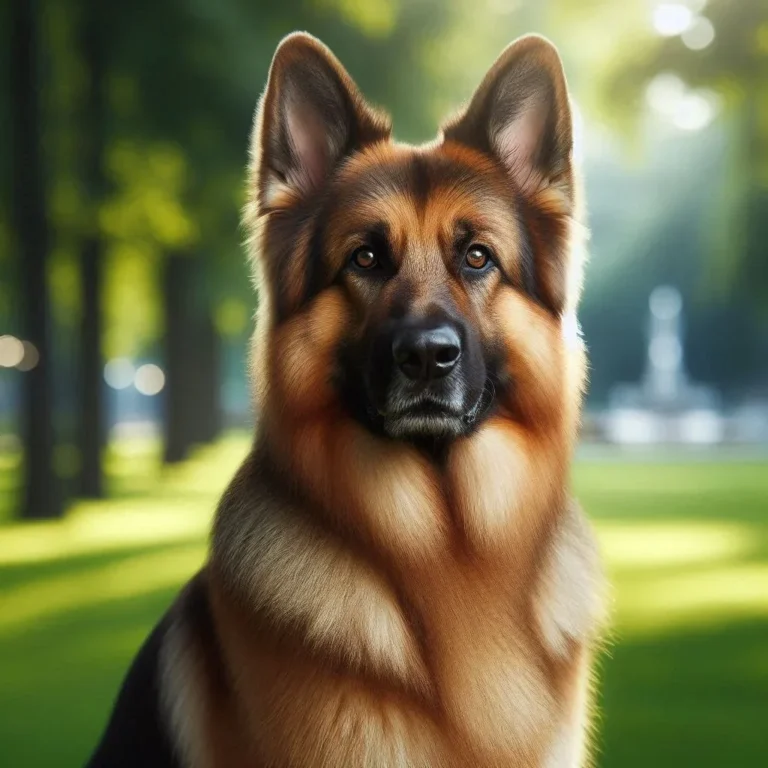
| German Shepherd | Strong chewing ability | Heavy‑duty chew toys & puzzle feeders |
Tailor the environment to your dog’s unique traits for maximal engagement.
Conclusion
Building a safe and engaging dog play area isn’t just about fun; it’s a cornerstone of responsible pet ownership. It promotes exercise, reduces anxiety, and protects both your home and your canine’s wellbeing. Every dog, regardless of size, benefits from a prepared space that offers physical challenge, mental stimulation, and a sense of security.
Now you have the blueprint: choose the right spot, add versatile activity options, secure the zone, and keep it fresh. Start turning your space into a haven for your furry friend today! If you enjoyed these tips, share your progress with the community or drop a comment below – we’d love to see your play-area transformations.