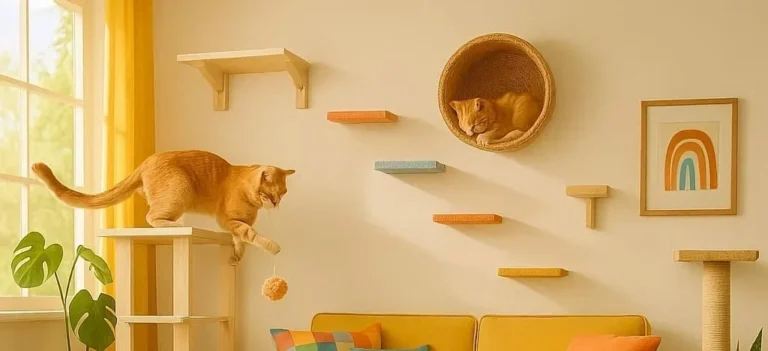
How to Train Your Cat to Use a Scratching Post
Cats have an instinctual need to scratch – it sharpens claws, stretches muscles, and marks territory. When that urge finds the wrong spot, homeowners often face ruined couch cushions or frayed rug fibers. Fortunately, most cats will quickly adopt a dedicated scratching post when guided with patience, consistency, and the right tools.
A Primer on Why Cats Scratch
Cats belong to a group of felines that rely on scratching for several biological functions. The process:
- Claw Maintenance – Shedding the outer layer of their claws keeps them sharp.
- Stretching and Exercise – A quick stretch helps maintain muscle flexibility.
- Territorial Marking – Scratches leave scent and visual cues that signal ownership.
- Stress Relief – The act releases endorphins and reduces anxiety.
Understanding these motivations helps you create an environment where a scratching post fulfills every natural need. For a deeper dive into feline behavior, see this informative Animal behavior entry.
Selecting the Right Scratching Post
Choosing the right tool involves considering both the cat’s personality and the home’s decor. Here are key attributes to keep in mind:
- Material – Sisal, carpet, or wood each offer different textures. Most cats gravitate toward sisal for its natural feel.
- Height – Aim for at least 12–18 inches tall for a small cat, and 18–24 inches for larger breeds.
- Stability – Posts must resist wobbling. A weighted base or a pole that can be glued to a wall works well.
- Design – Incorporate perches or toys to add intrigue and cater to different play styles.
Professional recommendations suggest testing a small variety and observing which one the cat engages with most. For brand comparisons and expert reviews, check the The Dodo guide to cat scratching posts.
Positioning the Post for Maximum Success
Placement isn’t as arbitrary as it may seem. Cats have territorial preferences and instinctual patterns. Strategies include:
- Nearby Furniture – Place the post within 3 feet of where the cat usually scratches or naps.
- Safe Zones – Ensure the area is free of strong scents or distractions that may deter the cat.
- Vertical Space – A post mounted beside a wall offers a more natural environment for stretching.
- Rotation – Change the post’s location every few days to keep novelty high.
The American Association of Feline Practitioners notes that cats often prefer posts near their sleeping areas. Refer to their guidelines here: Feline Scratch Tips.
Introducing the Scratching Post
Even the best post will feel alien until properly introduced. Follow this step‑by‑step method:
1. Scattering Catnip
Sprinkle a light dusting of dried catnip on the post’s top or sides. The scent entices curiosity.
2. Encourage Play
Attach a favorite toy, such as a feather wand, to the base. Use the toy to guide the cat’s paws around the post.
3. Positive Reinforcement
As soon as the cat touches the post, reward them with a treat or gentle praise. Consistency builds association.
4. Deter Unwanted Areas
Apply a citrus-scented spray to unwanted zones like pillows or curtains. Cats dislike citrus and will naturally steer away.
5. Monitor Progress
Keep an eye on the cat’s scratching patterns. Adjust the post’s height or material if resistance remains.
Experts from the Cornell University College of Veterinary Medicine support using catnip or pheromone sprays in training. Their research can be found through this reputable link: Cornell Veterinary Research.
Troubleshooting Common Issues
Not every cat will adapt immediately. Address common setbacks:
| Issue | Likely Cause | Quick Fix |
| No Interest | Post feels like a toy, not a scratching surface | Add heavier material or coat with rough fabric |
| Scratching on Furniture | Post too far or insufficient height | Increase height, bring closer to furniture |
| Inconsistent Use | Cat’s mood or stress level | Add pheromone diffuser (e.g., Feliway) |
| Over‑Scratching the Post | Cat over‑engaged due to excitement | Use deterrents for over‑use or rotate posts |
The American Cat Association lists these scenarios comprehensively: Troubleshooting Cat Scratching.
Enhancing the Post With Extra Features
Once your cat starts using the post regularly, you can add extras so the experience stays fresh:
- Built‑in Perch – Gives the cat the opportunity to observe and relax.
- Toys & Ball Hangers – Incorporates play and scratching.
- Treat Dispenser – Reinforces positive behavior.
- Arches or Shelves – Provides a safe, elevated spot for naps.
Many high‑quality posts combine these features. Compare models on Petco’s product listings for user reviews and product specifications.
Maintaining the Scratching Post
A well‑maintained post stays attractive and hygienic. Steps to keep it in prime condition:
- Regular Cleaning – Wash fabric sleeves with mild detergent; vacuum carpeted sections.
- Claw Care – Trim your cat’s claws every 2–3 weeks to reduce damage.
- Inspect for Wear – Replace frayed or damaged parts promptly.
- Rotate Materials – Occasionally replace the outer layer with fresh sisal to maintain texture.
- Store Safely – Keep spare posts nearby for long‑term use.
Keeping a tidy post signals to the cat that it’s a safe, reliable place.
Strengthening the Human‑Cat Bond Through Training
Training a cat to use a scratching post isn’t just about furniture protection; it’s also an opportunity to deepen your relationship. By offering praise, treats, and affection during training, you:
- Build trust and social bonding.
- Increase your cat’s confidence in handling new objects.
- Foster healthy communication patterns.
Experts highlight that consistent, calm training reduces cat aggression and anxiety. Refer to this guide from the Pet Behavior Online for evidence‑based strategies.
Final Thoughts and Call‑to‑Action
Training your cat to use a scratching post is a blend of science, patience, and play. With the right selection, placement, and consistent reinforcement, most cats will transition seamlessly from furniture to post, preserving your home’s interior and giving your beloved pet a natural outlet.
Try these steps today – pick a suitable scratching post, place it strategically, and watch your cat climb into a new scratching habit. Don’t forget to reward every attempt! If you share your success story or struggle, drop a comment below or connect on our social media. Let’s keep our cat homes scratch‑smart and beautiful.
To help you choose an excellent feline‑friendly post, browse our curated list of top‑rated products, and enjoy a 15% discount on your next purchase by using code SMARTSCRATCH.
Happy training, and may your feline friends scratch happily ever after!